
JLPT N4 Vocabulary Meanings - Unsolved

Learn the English meanings of 631 JLPT N4 words through questions with four answer choices.
-
with all one's effort
-
so much
-
these days
-
stand something up
-
be called / say
-
be surprised
-
back of the body
-
drawer
-
location
-
never
-
far away
-
with all one's effort
-
office
-
meeting room
-
cause
-
kindness
-
serious / diligent
-
active / prosperous
-
win
-
shake / sway
-
continue
-
after a long time
-
ordinary / local train
-
kindness
- 表記は「だめ」「駄目」「ダメ」など。
- 連用形には用法により「だめで」「だめに」「だめだっ」がある。
- 命令形「だめであれ」は体系上の形で、現代語ではまれ。
-
absence from home
-
rich person
-
comics
-
guest / customer
-
use
-
tool / means
すっと
straight / suddenly
すっと
straight / suddenly
Explanation
straight / suddenly
すっと
to feel refreshed; without hard feelings or worries

( Base form )
( romanization )
( stem )
( Past )
( table-tags )
( inflection-template )
( imperfective stem )
( imperfective stem )
( continuative stem )
( continuative stem )
( stem terminative )
( stem terminative )
( attributive stem )
( attributive stem )
( hypothetical stem )
( hypothetical stem )
( Imperative literary stem )
( colloquial Imperative stem )
( Imperative literary stem )
( colloquial Imperative stem )
( Passive voice )
( Passive voice )
( causative )
( causative )
( causative )
( causative )
( potential )
( potential )
( volitional )
( volitional )
( negative )
( negative )
( continuative negative )
( continuative negative )
( formal )
( formal )
( perfective )
( perfective )
( conjunctive )
( conjunctive )
( Conditional hypothetical )
( Conditional hypothetical )
割れる
break / crack
割れる
break / crack
Explanation
割れる
break / crack
割れる
to be broken, to break itself / to be divided; to crack; to be split / to be able to be divided; to be divisible / (colloquial) to be revealed; to be identified

Word Forms
The basic and commonly used forms of this verb.
Basic forms
| Form | Word form | Usage |
|---|---|---|
| Imperfective form (mizenkei) | Connects to endings such as nai, reru, and seru. | |
| Continuative form (renyokei) | Connects to endings such as masu, tai, and ta. | |
| Conclusive form (shushikei) | Ends a sentence and serves as the dictionary form. | |
| Attributive form (rentaikei) | Modifies a noun. | |
| Conditional form (kateikei) | Combines with ba to express a condition. | |
| Imperative form (meireikei) |
Alternative:
割れよ
|
Expresses a command or instruction. |
Common forms
ビル
building
ビル
building
Explanation
building
ビル
building / office building

( romanization )
まず
first of all
まず
first of all
Explanation
first of all
まず

( romanization )
床屋
barber / barbershop
床屋
barber / barbershop
Explanation
床屋
barber / barbershop
床屋
barbershop, barber

( romanization )
無理
impossible / unreasonable
無理
impossible / unreasonable
Explanation
無理
impossible / unreasonable
無理
impossible / cannot / unreasonable / excessive / forced / unnatural

Word Forms
The basic and commonly used forms of this adjectival noun.
Basic forms
| Form | Word form | Usage |
|---|---|---|
| Imperfective form (mizenkei) |
Alternative:
無理でしょ
|
Used in forms such as darou. |
| Continuative form (renyokei) |
Alternative:
無理に
|
Used with de or ni. |
| Conclusive form (shushikei) |
Alternative:
無理です
|
Ends a sentence with da. |
| Attributive form (rentaikei) | Modifies a noun with na. | |
| Conditional form (kateikei) |
Alternative:
無理であれば
|
Expresses a condition with nara. |
| Imperative form (meireikei) | Used in formal expressions such as de are. |
Common forms
止む
cease
止む
cease
Explanation
止む
cease
止む
stop, cease, be over

Word Forms
The basic and commonly used forms of this verb.
Basic forms
| Form | Word form | Usage |
|---|---|---|
| Imperfective form (mizenkei) |
Alternative:
止も
|
Connects to endings such as nai, reru, and seru. |
| Continuative form (renyokei) | Connects to endings such as masu, tai, and ta. | |
| Conclusive form (shushikei) | Ends a sentence and serves as the dictionary form. | |
| Attributive form (rentaikei) | Modifies a noun. | |
| Conditional form (kateikei) | Combines with ba to express a condition. | |
| Imperative form (meireikei) | Expresses a command or instruction. |
Common forms
だめ
no good
だめ
no good
Explanation
no good
だめ
no good; useless; hopeless / inadvisable; not to be done

Word Forms
The basic and commonly used forms of this adjectival noun.
Basic forms
| Form | Word form | Usage |
|---|---|---|
| Imperfective form (mizenkei) |
Alternative:
駄目だろ
|
Used in forms such as darou. |
| Continuative form (renyokei) |
Alternative:
駄目で
だめに
駄目に
だめだっ
駄目だっ
|
Used with de or ni. |
| Conclusive form (shushikei) |
Alternative:
駄目だ
|
Ends a sentence with da. |
| Attributive form (rentaikei) |
Alternative:
駄目な
|
Modifies a noun with na. |
| Conditional form (kateikei) |
Alternative:
駄目なら
|
Expresses a condition with nara. |
| Imperative form (meireikei) |
Alternative:
駄目であれ
|
Used in formal expressions such as de are. |
Common forms
| Form | Word form | Usage |
|---|---|---|
| Te-form equivalent |
Alternative:
駄目で
|
Connects clauses using de. |
| Ta-form |
Alternative:
駄目だった
|
Expresses the past with datta. |
| Nai-form |
Alternative:
駄目ではない
だめじゃない
駄目じゃない
|
Expresses negation with dewa nai or ja nai. |
| Desu-form |
Alternative:
駄目です
|
Used for polite speech. |
Notes
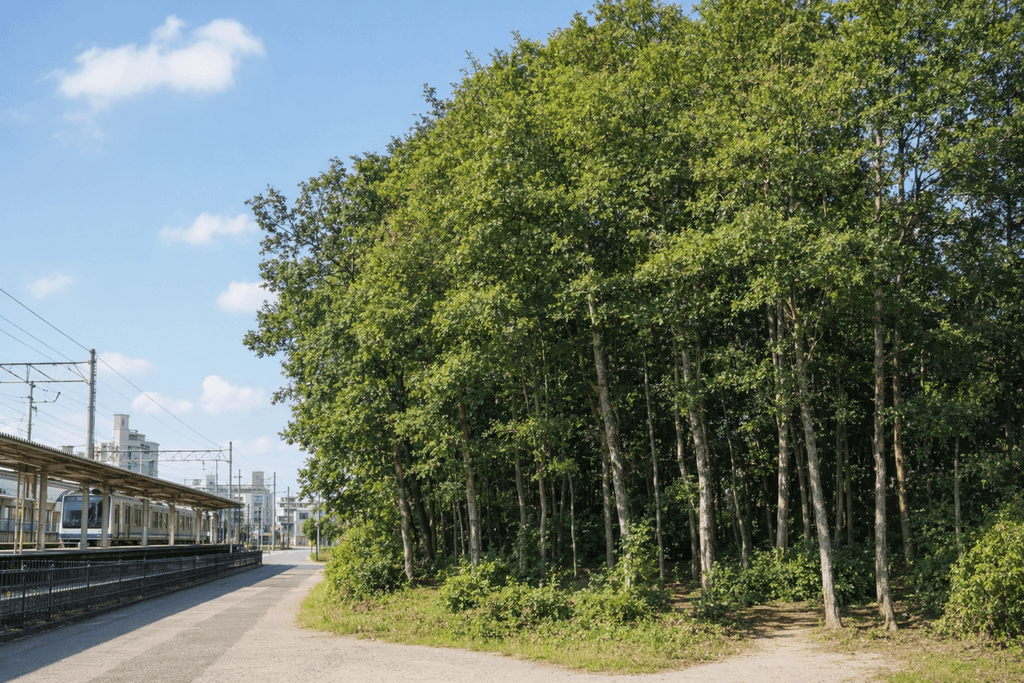
林
woods
林
woods
Explanation
林
woods
林
woods
( romanization )
( hiragana )
丁寧
polite
丁寧
polite
Explanation
丁寧
polite
丁寧
politeness, courteousness / care

( Base form )
( romanization )
( hiragana )
Loading...

JLPT N4 多言語単語帳・631語 / JLPT N4 Multilingual Vocabulary: 631 Words

Jonathan Waller 氏の JLPT Resources の語彙リスト・レベル分類を出典とし、CC BY の条件に従って DiQt が初級向けに意味を作り直した631語の単語帳です。JLPT公式の語彙リストではありません。
This collection of 631 words is based on the vocabulary list and level classifications in Jonathan Waller’s JLPT Resources under CC BY, with meanings rewritten by DiQt for beginners. It is not an official JLPT vocabulary list.
Key Operations
Select the first quiz:
Ctrl + Enter
View Explanation:Ctrl + G
Close a feedback:Esc
When selecting a quiz
Answer:Enter
Select a choice:↓ or ↑
Reading out the question:Ctrl + K
View Hint: Ctrl + M
I don't know: Ctrl + Y



