
JLPT N4 Vocabulary Meanings - Unsolved

Learn the English meanings of 631 JLPT N4 words through questions with four answer choices.
-
quarrel
-
research office / laboratory
-
daughter / young lady
-
cherry blossom viewing
-
failure / mistake
-
cloud
-
neck
-
flavor
-
technology / skill
-
cloud
-
report
-
company president
-
quite / not easily
-
clearly
-
with all one's effort
-
no good
-
after a long time
-
active / prosperous
- 形容動詞(ナ形容詞)としての活用。
- 連用形「普通に」は副詞的用法としてよく用いられる。
- 連体形では「普通の」も名詞修飾で非常によく用いられる。
-
university student
-
hot water
-
sandals
-
replace
-
be in time
-
get off / go down
-
ring out
-
be finished
-
receive / eat
-
typhoon
-
drawer
-
day / sun
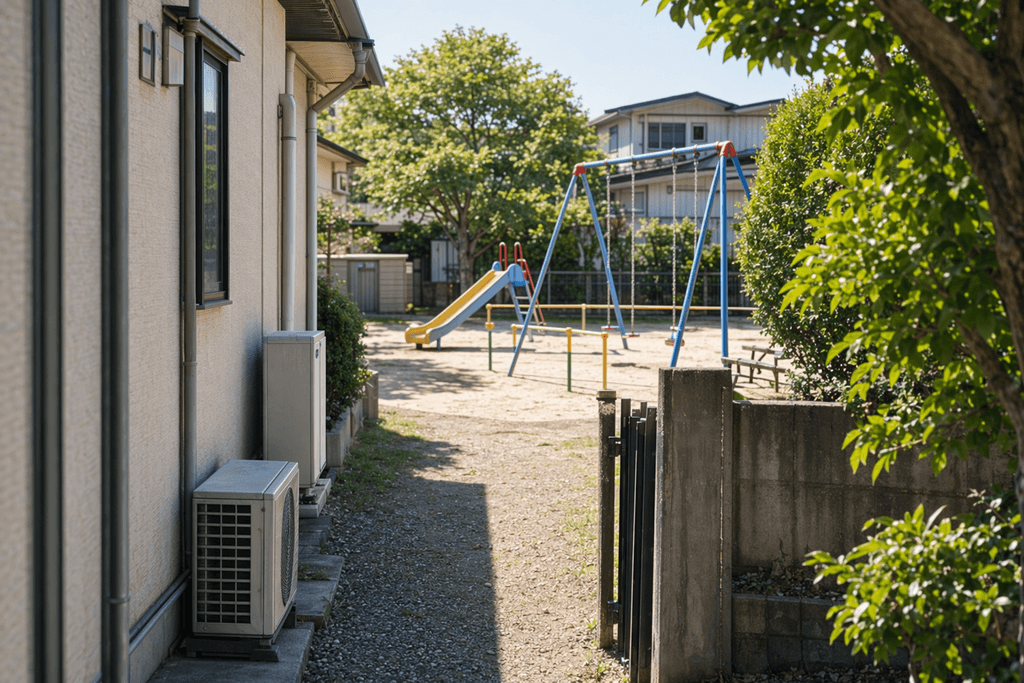
裏
reverse side
裏
reverse side
Explanation
裏
reverse side
裏
back; behind; other side / inside / reverse side of a coin ("tails") / (baseball) bottom (of an inning)
( romanization )
( hiragana )
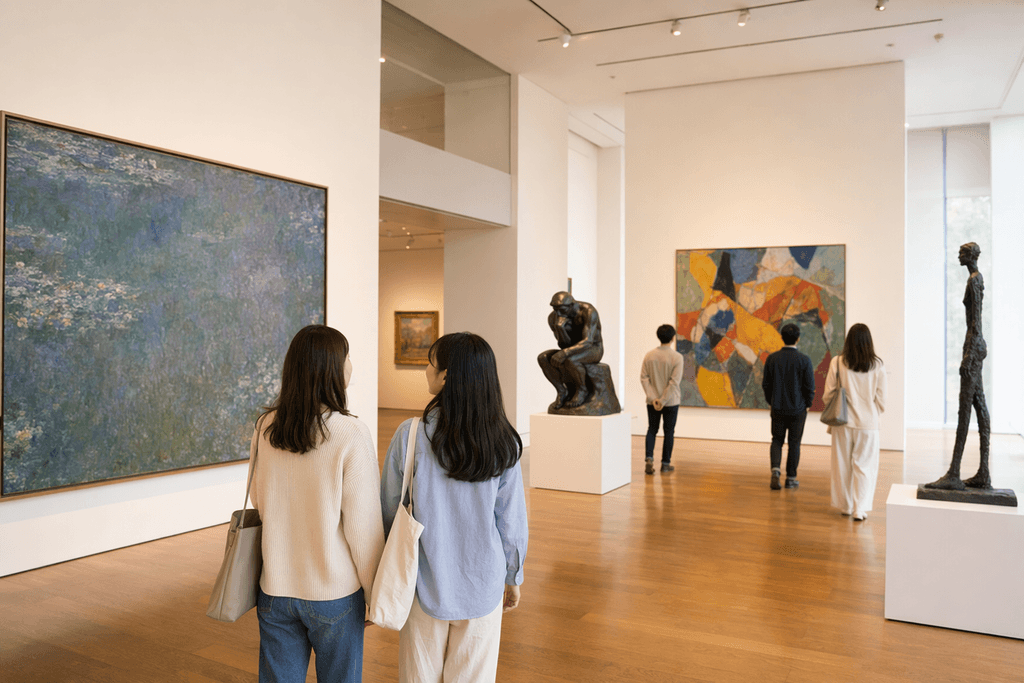
美術館
art museum
美術館
art museum
Explanation
美術館
art museum
美術館
( Base form )
( romanization )
( hiragana )
音
sound
音
sound
Explanation
音
sound
音
( romanization )
( hiragana )
のど
throat
のど
throat
Explanation
throat
のど
throat / voice (esp. singing voice)

( romanization )
いっぱい
full / a lot
いっぱい
full / a lot
Explanation
full / a lot
いっぱい

( romanization )
普通
ordinary / local train
普通
ordinary / local train
Explanation
普通
ordinary / local train
普通
common, ordinary, normal

Word Forms
The basic and commonly used forms of this adjectival noun.
Basic forms
| Form | Word form | Usage |
|---|---|---|
| Imperfective form (mizenkei) |
Alternative:
普通でしょ
|
Used in forms such as darou. |
| Continuative form (renyokei) |
Alternative:
普通に
|
Used with de or ni. |
| Conclusive form (shushikei) |
Alternative:
普通です
|
Ends a sentence with da. |
| Attributive form (rentaikei) |
Alternative:
普通の
|
Modifies a noun with na. |
| Conditional form (kateikei) |
Alternative:
普通であれば
|
Expresses a condition with nara. |
| Imperative form (meireikei) | Used in formal expressions such as de are. |
Common forms
| Form | Word form | Usage |
|---|---|---|
| Te-form equivalent | Connects clauses using de. | |
| Ta-form |
Alternative:
普通でした
|
Expresses the past with datta. |
| Nai-form |
Alternative:
普通じゃない
普通でない
|
Expresses negation with dewa nai or ja nai. |
| Desu-form | Used for polite speech. |
Notes
機会
opportunity
機会
opportunity
Explanation
機会
opportunity
機会
opportunity, chance

( Base form )
( romanization )
( romanization )
( kyūjitai )
( hiragana historical )
( hiragana )
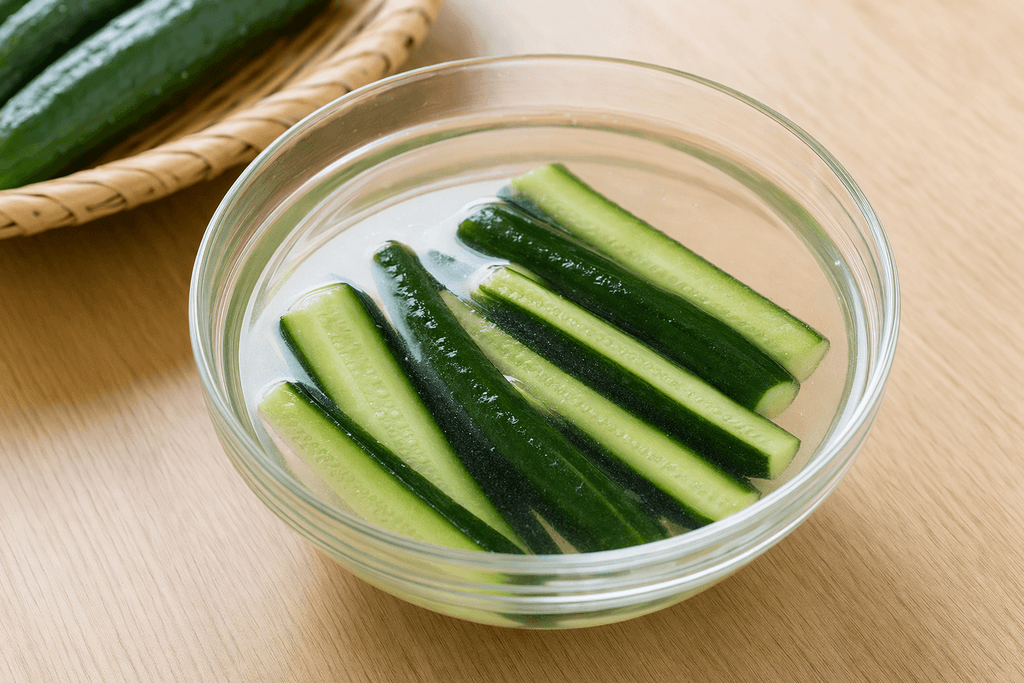
漬ける
soak / pickle
漬ける
soak / pickle
Explanation
漬ける
soak / pickle
漬ける
to let soak; to immerse / (specifically) to pickle
Word Forms
The basic and commonly used forms of this verb.
Basic forms
| Form | Word form | Usage |
|---|---|---|
| Imperfective form (mizenkei) | Connects to endings such as nai, reru, and seru. | |
| Continuative form (renyokei) | Connects to endings such as masu, tai, and ta. | |
| Conclusive form (shushikei) | Ends a sentence and serves as the dictionary form. | |
| Attributive form (rentaikei) | Modifies a noun. | |
| Conditional form (kateikei) | Combines with ba to express a condition. | |
| Imperative form (meireikei) |
Alternative:
漬けよ
|
Expresses a command or instruction. |
Common forms
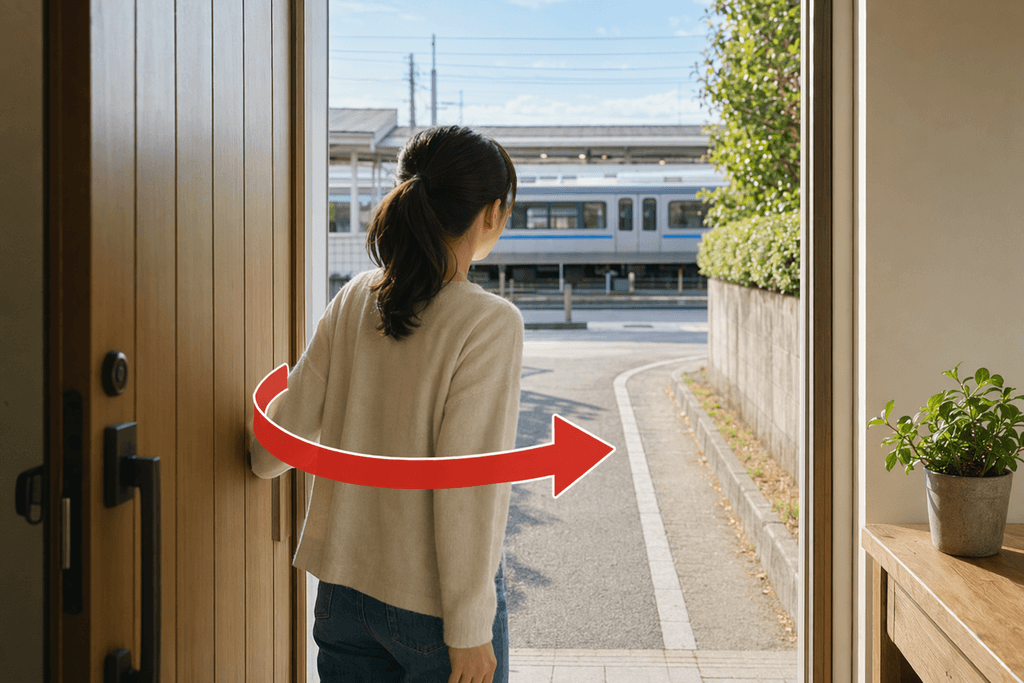
回る
go around / rotate
回る
go around / rotate
Explanation
回る
go around / rotate
回る
to turn; to revolve; to rotate; to spin / to go around; to move around; to visit several places / to circulate; to be passed around; to reach; to come round (to someone) / (of a camera) to roll; to be filming / (of alcohol, etc.) to go to one's head; to take effect
Word Forms
The basic and commonly used forms of this verb.
Basic forms
| Form | Word form | Usage |
|---|---|---|
| Imperfective form (mizenkei) | Connects to endings such as nai, reru, and seru. | |
| Continuative form (renyokei) | Connects to endings such as masu, tai, and ta. | |
| Conclusive form (shushikei) | Ends a sentence and serves as the dictionary form. | |
| Attributive form (rentaikei) | Modifies a noun. | |
| Conditional form (kateikei) | Combines with ba to express a condition. | |
| Imperative form (meireikei) | Expresses a command or instruction. |
Common forms
気分
mood
気分
mood
Explanation
気分
mood
気分

( Base form )
( romanization )
( kyūjitai )
( hiragana )
Loading...

JLPT N4 多言語単語帳・631語 / JLPT N4 Multilingual Vocabulary: 631 Words

Jonathan Waller 氏の JLPT Resources の語彙リスト・レベル分類を出典とし、CC BY の条件に従って DiQt が初級向けに意味を作り直した631語の単語帳です。JLPT公式の語彙リストではありません。
This collection of 631 words is based on the vocabulary list and level classifications in Jonathan Waller’s JLPT Resources under CC BY, with meanings rewritten by DiQt for beginners. It is not an official JLPT vocabulary list.
Key Operations
Select the first quiz:
Ctrl + Enter
View Explanation:Ctrl + G
Close a feedback:Esc
When selecting a quiz
Answer:Enter
Select a choice:↓ or ↑
Reading out the question:Ctrl + K
View Hint: Ctrl + M
I don't know: Ctrl + Y



