
JLPT N1 Vocabulary Meanings - Unsolved

Learn the English meanings of 3032 JLPT N1 words through questions with four answer choices.
-
begrudge / regret losing
-
miss seeing / let off
-
value highly
-
upper hand
-
inevitability
-
presentation
-
scholarly theory
-
diffusion
-
radiation
-
hero
-
darkness / illicit trade
-
young people
-
tightly / shrewdly
-
utterly
-
at this late stage
-
small animals
-
book
-
overnight stays
-
lean against / sit heavy
-
carry through
-
install
-
public finance
-
town hall
-
forgiveness
-
shape / letter
-
assistant
-
edition
-
chirp
-
throw into
-
close one's eyes
懐く
become attached
懐く
become attached
Explanation
懐く
become attached
懐く
become attached to emotionally

Word Forms
The basic and commonly used forms of this verb.
Basic forms
| Form | Word form | Usage |
|---|---|---|
| Imperfective form (mizenkei) |
Alternative:
懐こ
|
Connects to endings such as nai, reru, and seru. |
| Continuative form (renyokei) | Connects to endings such as masu, tai, and ta. | |
| Conclusive form (shushikei) | Ends a sentence and serves as the dictionary form. | |
| Attributive form (rentaikei) | Modifies a noun. | |
| Conditional form (kateikei) | Combines with ba to express a condition. | |
| Imperative form (meireikei) | Expresses a command or instruction. |
Common forms
語源
etymology
語源
etymology
Explanation
語源
etymology
語源
origin of a word or phrase; etymology

( Base form )
( romanization )
( hiragana )
拝借
borrowing respectfully
拝借
borrowing respectfully
Explanation
拝借
borrowing respectfully
拝借
(humble) borrowing

( Base form )
( romanization )
( hiragana )
本気
seriousness
本気
seriousness
Explanation
本気
seriousness
本気

( Base form )
( romanization )
( kyūjitai )
( hiragana )
時折
occasionally
時折
occasionally
Explanation
時折
occasionally
時折
( romanization )
( romanization )
( hiragana historical )
戸
household
戸
household
Explanation
戸
household
戸
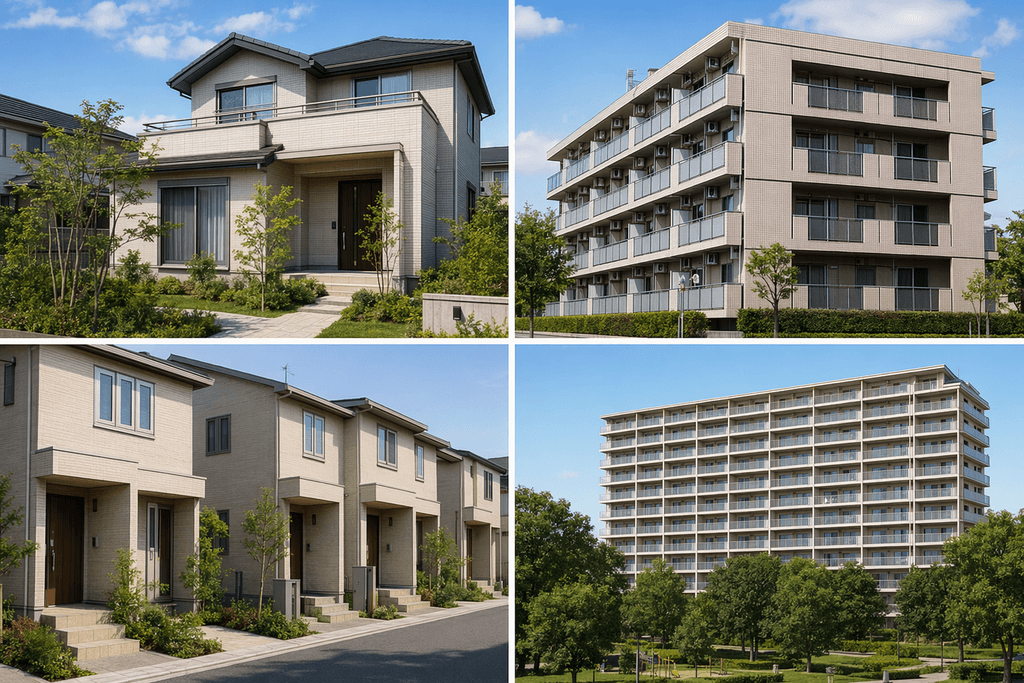
household; dwelling unit (house/apartment)
According to the national census results, in our city the number of single-person households has increased, and their share of the total number of households has reached a record high.
( romanization )
( hiragana )
洒落る
dress stylishly / joke
洒落る
dress stylishly / joke
Explanation
洒落る
dress stylishly / joke
洒落る
to be stylish / to dress smartly / to dress up / to be fashionable / to joke / to make a pun / to make witty remarks
It is not as though simply wearing expensive clothes will make you look stylish; true elegance emerges only when you read the atmosphere and subtly let your individuality show.

Word Forms
The basic and commonly used forms of this verb.
Basic forms
| Form | Word form | Usage |
|---|---|---|
| Imperfective form (mizenkei) |
Alternative:
しゃれ
|
Connects to endings such as nai, reru, and seru. |
| Continuative form (renyokei) |
Alternative:
しゃれ
|
Connects to endings such as masu, tai, and ta. |
| Conclusive form (shushikei) |
Alternative:
しゃれる
|
Ends a sentence and serves as the dictionary form. |
| Attributive form (rentaikei) |
Alternative:
しゃれる
|
Modifies a noun. |
| Conditional form (kateikei) |
Alternative:
しゃれれ
|
Combines with ba to express a condition. |
| Imperative form (meireikei) |
Alternative:
しゃれろ
洒落よ
しゃれよ
|
Expresses a command or instruction. |
Common forms
| Form | Word form | Usage |
|---|---|---|
| Te-form |
Alternative:
しゃれて
|
Connects clauses with te. |
| Ta-form |
Alternative:
しゃれた
|
Expresses the past with ta. |
| Nai-form |
Alternative:
しゃれない
|
Expresses negation with nai. |
| Masu-form |
Alternative:
しゃれます
|
Used for polite speech. |
| Ba-form |
Alternative:
しゃれれば
|
Expresses a condition with ba. |
| Volitional form |
Alternative:
しゃれよう
|
Expresses intention or invitation. |
秘書
secretary
秘書
secretary
Explanation
秘書
secretary
秘書
secretary (person keeping records and handling clerical work)
Although there were defects in the board meeting minutes, the secretary firmly protested that there was no reason for them to be made to shoulder all the responsibility alone.

( Base form )
( romanization )
( hiragana )
流
style
流
style
Explanation
流
style
流
the flow of water or something like water / art forms, methods, styles, and techniques peculiar to a person or house
( romanization )
( romanization )
( hiragana historical )
( hiragana )
凝らす
concentrate / elaborate
凝らす
concentrate / elaborate
Explanation
凝らす
concentrate / elaborate
凝らす
to concentrate / to focus / to devote / to apply / to strain / to devise / to elaborate

Word Forms
The basic and commonly used forms of this verb.
Basic forms
| Form | Word form | Usage |
|---|---|---|
| Imperfective form (mizenkei) |
Alternative:
凝らそ
|
Connects to endings such as nai, reru, and seru. |
| Continuative form (renyokei) | Connects to endings such as masu, tai, and ta. | |
| Conclusive form (shushikei) | Ends a sentence and serves as the dictionary form. | |
| Attributive form (rentaikei) | Modifies a noun. | |
| Conditional form (kateikei) | Combines with ba to express a condition. | |
| Imperative form (meireikei) | Expresses a command or instruction. |
Common forms
Loading...

JLPT N1 多言語単語帳・3032語 / JLPT N1 Multilingual Vocabulary: 3032 Words

Jonathan Waller 氏の JLPT Resources の語彙リスト・レベル分類を出典とし、CC BY の条件に従って DiQt が学習者向けに意味を作り直した3032語の単語帳です。JLPT公式の語彙リストではありません。
This collection of 3032 words is based on the vocabulary list and level classifications in Jonathan Waller’s JLPT Resources under CC BY, with meanings rewritten by DiQt for learners. It is not an official JLPT vocabulary list.
Key Operations
Select the first quiz:
Ctrl + Enter
View Explanation:Ctrl + G
Close a feedback:Esc
When selecting a quiz
Answer:Enter
Select a choice:↓ or ↑
Reading out the question:Ctrl + K
View Hint: Ctrl + M
I don't know: Ctrl + Y



