
JLPT N3: Kahulugan ng mga salita - Unsolved

Alamin ang kahulugan ng 1677 salita sa JLPT N3 sa Filipino sa pamamagitan ng mga tanong na may apat na pagpipilian.
-
pakiusap
-
mga mamamayan
-
matanda
-
malapit na
-
pinakamarami / buong makakaya
-
magkasama
-
pangkat
-
pagkakampeon
-
daloy ng trapiko
-
tanawin
-
gampanin / trabaho
-
natira
-
mag-iwan
-
punitin / sirain
-
ilantad
-
tapusin
-
sagasaan
-
ipagkatiwala / ideposito
-
patalastas
-
banggaan / alitan
-
katapusan
-
daan
-
silid ng pag-aaral
-
kahirapan
-
batang babae / babae
-
kahilingan
-
kabuuan
-
labanan
-
balita
-
lason
分
bahagi / parte sa hatian
分
bahagi / parte sa hatian
Explanation
分
bahagi / parte sa hatian
分
bahagi / parte / porsiyon

( romanization )
( hiragana )
単に
lamang
単に
lamang
Explanation
単に
lamang
単に
nang payak / basta / lamang

( Base form )
( romanization )
金曜
Biyernes
金曜
Biyernes
Explanation
金曜
Biyernes
金曜
Biyernes / araw ng Biyernes

( Base form )
( romanization )
( romanization )
( hiragana historical )
( hiragana )
女王
reyna
女王
reyna
Explanation
女王
reyna
女王
reyna na naghahari / babaeng monarko / babaeng soberano

( Base form )
( romanization )
( romanization )
( hiragana historical )
( hiragana )
繰り返す
ulitin
繰り返す
ulitin
Explanation
繰り返す
ulitin
繰り返す
ulitin / gawin muli / gawin nang paulit-ulit

Word Forms
The basic and commonly used forms of this verb.
Basic forms
| Form | Word form | Usage |
|---|---|---|
| Imperfective form (mizenkei) |
Alternative:
繰り返そ
|
Connects to endings such as nai, reru, and seru. |
| Continuative form (renyokei) | Connects to endings such as masu, tai, and ta. | |
| Conclusive form (shushikei) | Ends a sentence and serves as the dictionary form. | |
| Attributive form (rentaikei) | Modifies a noun. | |
| Conditional form (kateikei) | Combines with ba to express a condition. | |
| Imperative form (meireikei) | Expresses a command or instruction. |
Common forms
叩く
paluin / pumalakpak
叩く
paluin / pumalakpak
Explanation
叩く
paluin / pumalakpak
叩く
humampas; pumalo / bumatikos; mang-atake sa salita / tumawag sa API
Word Forms
The basic and commonly used forms of this verb.
Basic forms
| Form | Word form | Usage |
|---|---|---|
| Imperfective form (mizenkei) |
Alternative:
叩こ
|
Connects to endings such as nai, reru, and seru. |
| Continuative form (renyokei) |
Alternative:
叩い
|
Connects to endings such as masu, tai, and ta. |
| Conclusive form (shushikei) | Ends a sentence and serves as the dictionary form. | |
| Attributive form (rentaikei) | Modifies a noun. | |
| Conditional form (kateikei) | Combines with ba to express a condition. | |
| Imperative form (meireikei) | Expresses a command or instruction. |
Common forms
付き合い
pakikisalamuha
付き合い
pakikisalamuha
Explanation
付き合い
pakikisalamuha
付き合い
pakikipagkaibigan / samahan / pakikisalamuha

( Base form )
( romanization )
( romanization )
( hiragana historical )
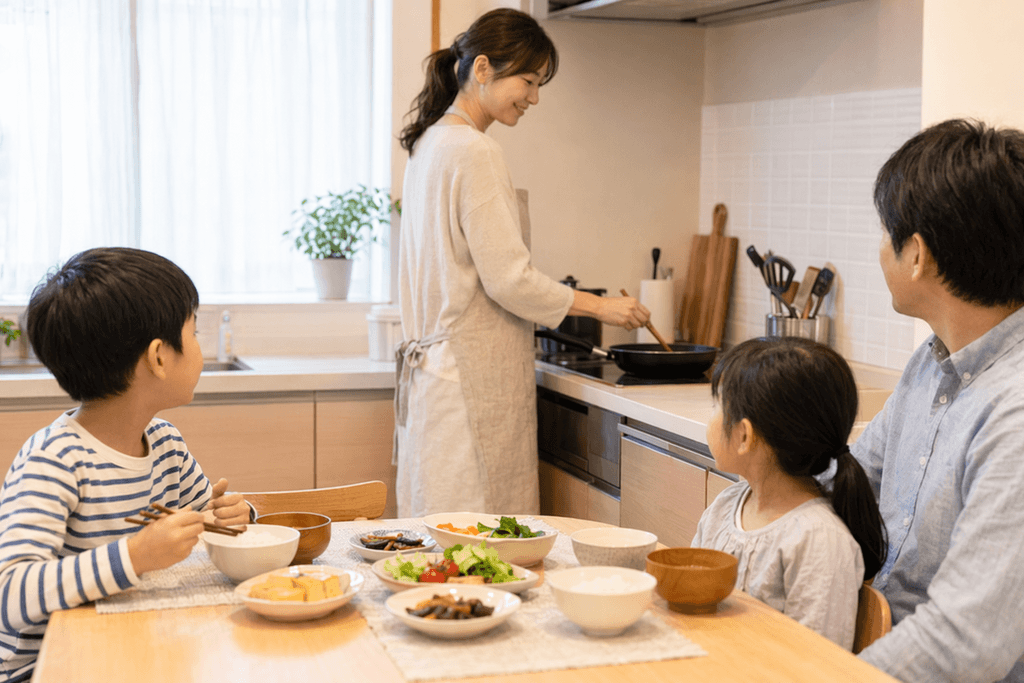
主婦
maybahay
主婦
maybahay
Explanation
主婦
maybahay
主婦
maybahay / asawang babae na namamahala sa bahay / babaeng tagapamahala ng sambahayan
( Base form )
( romanization )
( hiragana )
皮
balat / balat ng puno
皮
balat / balat ng puno
Explanation
皮
balat / balat ng puno
皮
balat / kutis

( romanization )
( romanization )
( hiragana historical )
( hiragana )
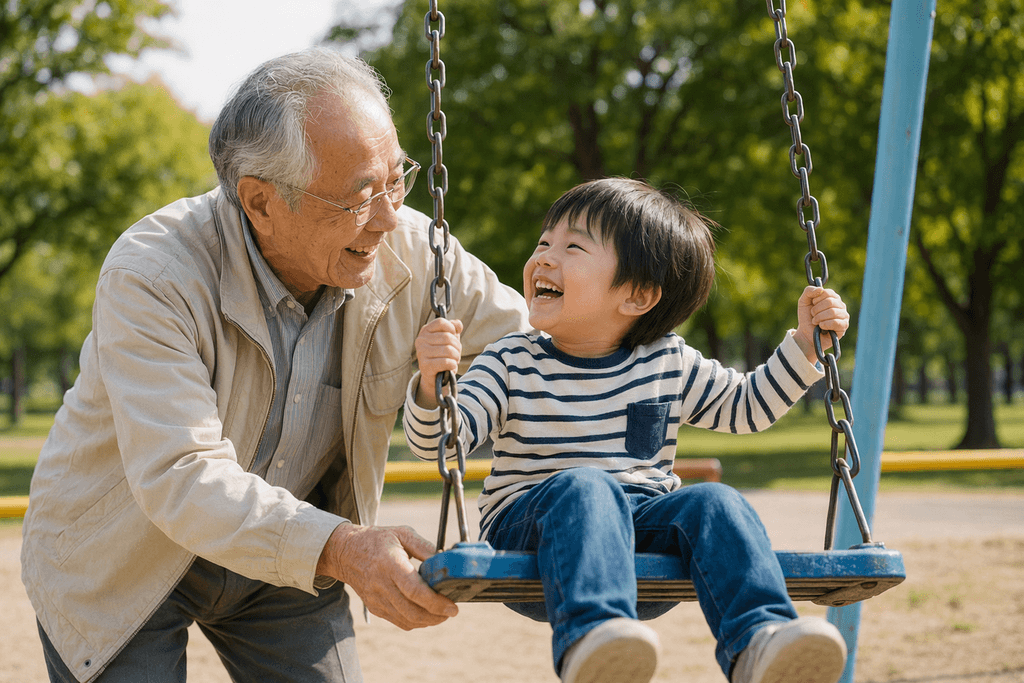
孫
apo
孫
apo
Explanation
孫
apo
孫
apo / anak ng anak
( romanization )
( hiragana )
Loading...

JLPT N3 多言語単語帳・1677語 / JLPT N3 Multilingual Vocabulary: 1677 Words

Jonathan Waller 氏の JLPT Resources の語彙リスト・レベル分類を出典とし、CC BY の条件に従って DiQt が学習者向けに意味を作り直した1677語の単語帳です。JLPT公式の語彙リストではありません。
This collection of 1677 words is based on the vocabulary list and level classifications in Jonathan Waller’s JLPT Resources under CC BY, with meanings rewritten by DiQt for learners. It is not an official JLPT vocabulary list.
Key Operations
Select the first quiz:
Ctrl + Enter
View Explanation:Ctrl + G
Close a feedback:Esc
When selecting a quiz
Answer:Enter
Select a choice:↓ or ↑
Reading out the question:Ctrl + K
View Hint: Ctrl + M
I don't know: Ctrl + Y



