
JLPT N3: Kahulugan ng mga salita - Unsolved

Alamin ang kahulugan ng 1677 salita sa JLPT N3 sa Filipino sa pamamagitan ng mga tanong na may apat na pagpipilian.
-
hininga
-
awt
-
pag-asa
-
balat / balat ng puno
-
pagiging kalmado
-
eroplanong jet
-
sakupin / bumuo ng bahagi
-
alisin
-
tulungan / sagipin
-
pagod
-
pagkakaiba
-
may bisa / mabisa
-
personalidad
-
pilak
-
kalokohan
-
sakupin / bumuo ng bahagi
-
mabawasan
-
matumba
-
istorbo
-
awt
-
premyo
-
pagsipsip
-
polusyon
-
pangyayari
-
hay / ano po
-
paumanhin
-
salamat
-
kulog
-
kalamnan
-
malaking lungsod
空き
bakante / bakanteng oras
空き
bakante / bakanteng oras
Explanation
空き
bakante / bakanteng oras
空き
puwang o espasyo / siwang o pagitan / bakante o libreng oras

( Base form )
( romanization )
設備
kagamitan / pasilidad
設備
kagamitan / pasilidad
Explanation
設備
kagamitan / pasilidad
設備
kagamitan / pasilidad / serbisyong panggusali

( Base form )
( romanization )
( hiragana )
履く
isuot ang sapatos / isuot ang pantalon
履く
isuot ang sapatos / isuot ang pantalon
Explanation
履く
isuot ang sapatos / isuot ang pantalon
履く
magsapatos / magsuot ng sapatos

Word Forms
The basic and commonly used forms of this verb.
Basic forms
| Form | Word form | Usage |
|---|---|---|
| Imperfective form (mizenkei) |
Alternative:
履こ
|
Connects to endings such as nai, reru, and seru. |
| Continuative form (renyokei) | Connects to endings such as masu, tai, and ta. | |
| Conclusive form (shushikei) | Ends a sentence and serves as the dictionary form. | |
| Attributive form (rentaikei) | Modifies a noun. | |
| Conditional form (kateikei) | Combines with ba to express a condition. | |
| Imperative form (meireikei) | Expresses a command or instruction. |
Common forms
題
pamagat / paksa
題
pamagat / paksa
Explanation
題
pamagat / paksa
題
pamagat / paksa / usapin

( romanization )
( hiragana )
種
binhi / sanhi
種
binhi / sanhi
Explanation
種
binhi / sanhi
種
binhi o buto ng prutas / lahi o angkan / pinagmulan o sanhi

( romanization )
( hiragana )
振る
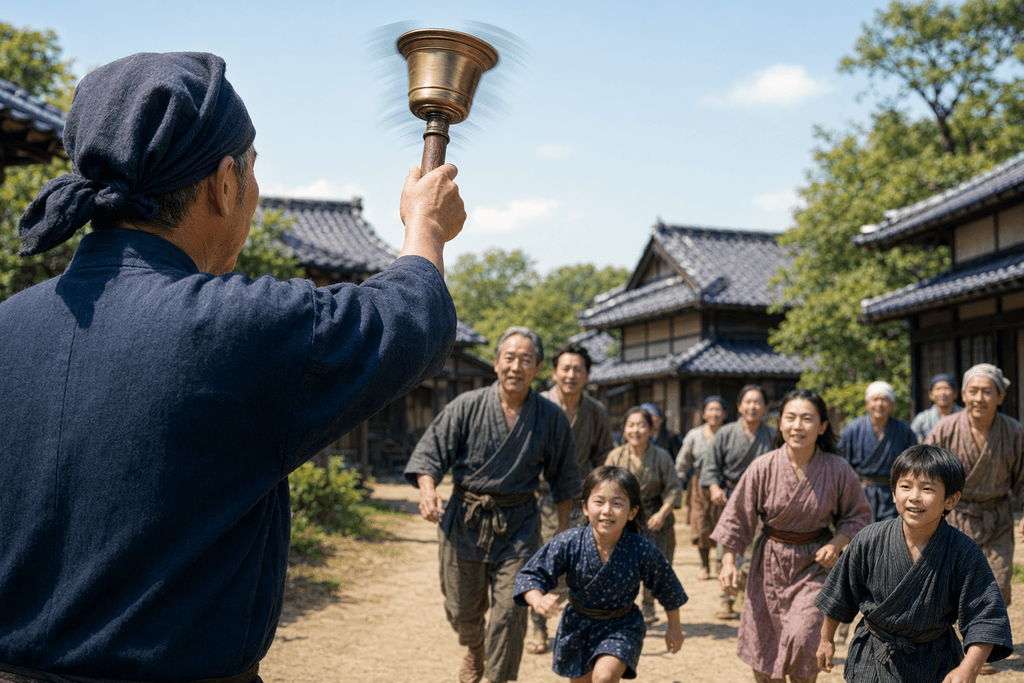
ikaway / alugin
振る
ikaway / alugin
Explanation
振る
ikaway / alugin
振る
alugin / iwagayway / iwasiwas
Word Forms
The basic and commonly used forms of this verb.
Basic forms
| Form | Word form | Usage |
|---|---|---|
| Imperfective form (mizenkei) |
Alternative:
振ろ
|
Connects to endings such as nai, reru, and seru. |
| Continuative form (renyokei) | Connects to endings such as masu, tai, and ta. | |
| Conclusive form (shushikei) | Ends a sentence and serves as the dictionary form. | |
| Attributive form (rentaikei) | Modifies a noun. | |
| Conditional form (kateikei) | Combines with ba to express a condition. | |
| Imperative form (meireikei) | Expresses a command or instruction. |
Common forms
束
bigkis
束
bigkis
Explanation
束
bigkis
束
bungkos / bigkis / lapad ng palad (bilang sukat)

( romanization )
( hiragana )
硬貨
barya
硬貨
barya
Explanation
硬貨
barya
硬貨
barya / matibay na salapi

( Base form )
( romanization )
( romanization )
( hiragana historical )
( hiragana )
しまった
naku
しまった
naku
Explanation
naku
しまった
Naku! / Patay! / Lagot!

( romanization )
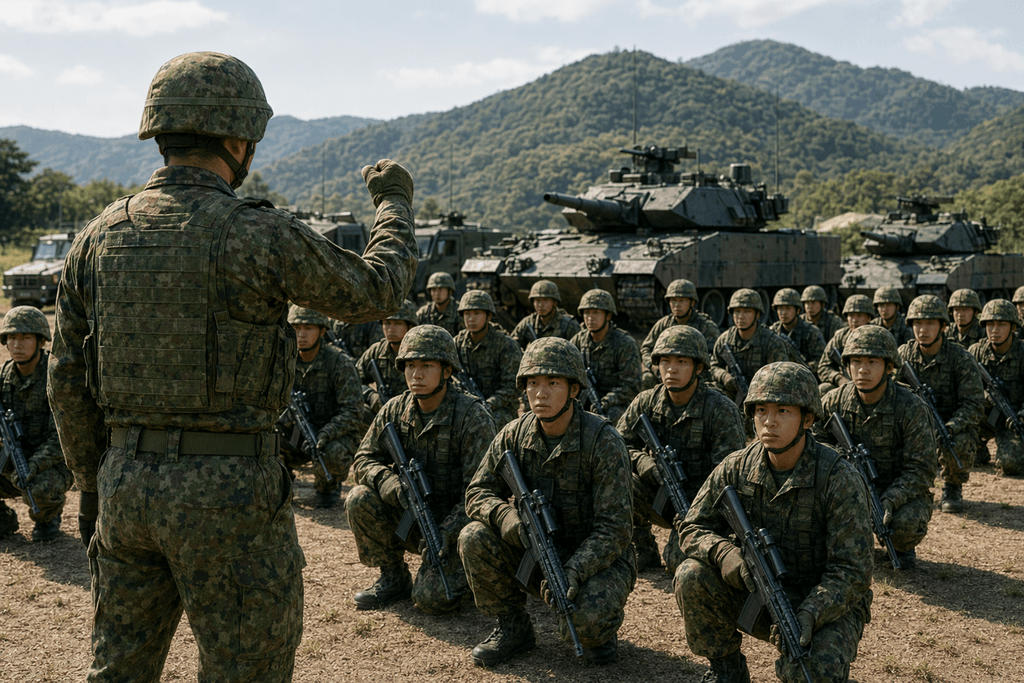
軍
militar
軍
militar
Explanation
軍
militar
軍
hukbo / sandatahang lakas / puwersang militar
( romanization )
( hiragana )
Loading...

JLPT N3 多言語単語帳・1677語 / JLPT N3 Multilingual Vocabulary: 1677 Words

Jonathan Waller 氏の JLPT Resources の語彙リスト・レベル分類を出典とし、CC BY の条件に従って DiQt が学習者向けに意味を作り直した1677語の単語帳です。JLPT公式の語彙リストではありません。
This collection of 1677 words is based on the vocabulary list and level classifications in Jonathan Waller’s JLPT Resources under CC BY, with meanings rewritten by DiQt for learners. It is not an official JLPT vocabulary list.
Key Operations
Select the first quiz:
Ctrl + Enter
View Explanation:Ctrl + G
Close a feedback:Esc
When selecting a quiz
Answer:Enter
Select a choice:↓ or ↑
Reading out the question:Ctrl + K
View Hint: Ctrl + M
I don't know: Ctrl + Y



