
JLPT N5 වචන අර්ථ පුහුණුව - Unsolved

පිළිතුරු විකල්ප හතරක් ඇති ප්රශ්න මඟින් JLPT N5 වචන 665ක අර්ථ සිංහලෙන් ඉගෙන ගන්න.
-
මුහුද
-
ලුණු
-
දින හතරක් / මාසයේ හතරවැනිදා
-
පිටුපස
-
දස දහස
-
බීම
-
සීනි
-
ගුවන් විදුලිය
-
උපන් දිනය
-
පහත් / උස අඩු
-
අඩු
-
සුදු
-
විවේකය / නිවාඩුව
-
බ්රහස්පතින්දා
-
දෙදෙනෙක්
-
හිම
-
රසකැවිලි
-
ඇඳුම්
-
විදේශ රට
-
කන්ද
-
වැස්ස
-
පාදය / කකුල
-
කළු
-
වතුර
-
මිල කීයද
-
වඩාත්ම / අංක එක
-
හරියටම
-
උපදිනවා
-
පීනනවා
-
වලාකුළු පිරෙනවා
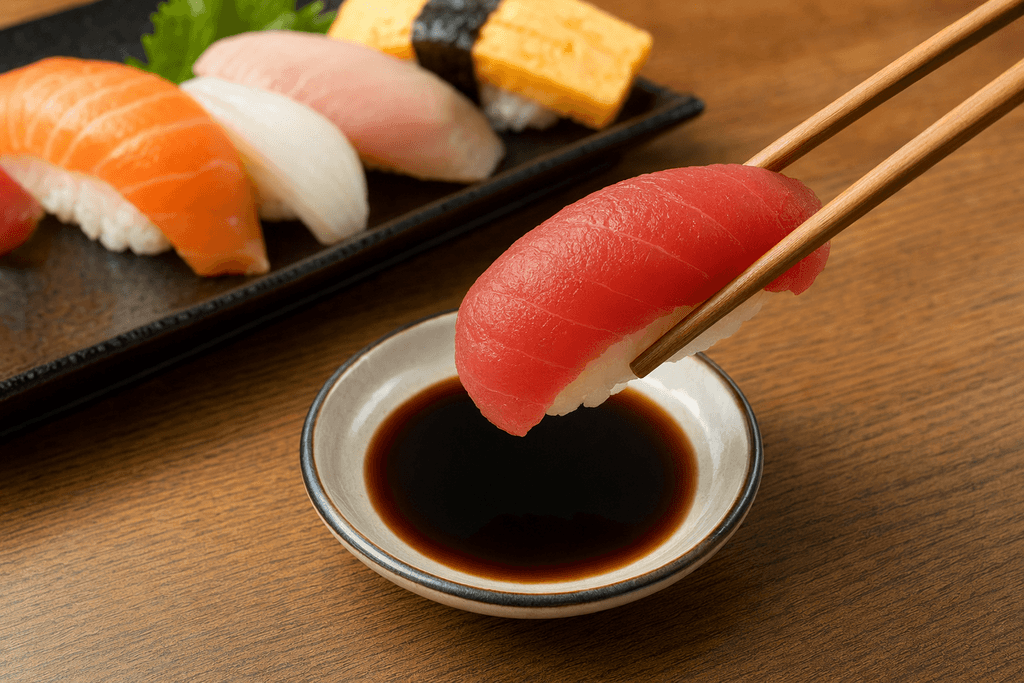
醤油
සෝයා සෝස්
醤油
සෝයා සෝස්
Explanation
醤油
සෝයා සෝස්
醤油
සෝයා සෝස් / සෝයා සෝස් (සෝයා මස්තු)
( Base form )
( romanization )
( romanization )
( kyūjitai )
( hiragana historical )
( hiragana )
番号
අංකය
番号
අංකය
Explanation
番号
අංකය
番号
අංකය / අංක ලේඛන අංකය / අංකනය

( Base form )
( romanization )
( romanization )
( kyūjitai )
( hiragana historical )
( hiragana )
先週
ගිය සතියේ
先週
ගිය සතියේ
Explanation
先週
ගිය සතියේ
先週
පසුගිය සතිය / අවසන් සතිය

( Base form )
( romanization )
( romanization )
( hiragana historical )
( hiragana )
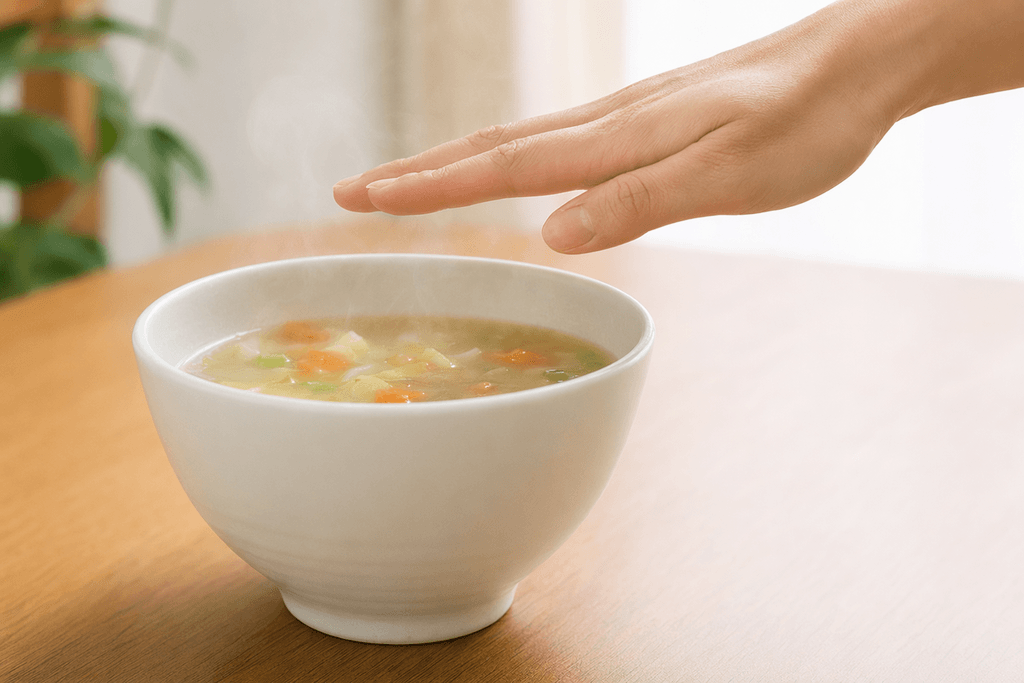
温い
මඳ උණුසුම්
温い
මඳ උණුසුම්
Explanation
温い
මඳ උණුසුම්
温い
කුමක් හෝ ගිනියම් නොව සීතලත් නොව මද උණුසුම් වූ / තාපය අඩු; තරමක් උණුසුම්
Word Forms
The basic and commonly used forms of this adjective.
Basic forms
| Form | Word form | Usage |
|---|---|---|
| Imperfective form (mizenkei) | Used in forms such as karou; mainly literary. | |
| Continuative form (renyokei) |
Alternative:
温かっ
|
Used in forms such as kute and kunai. |
| Conclusive form (shushikei) | Ends a sentence. | |
| Attributive form (rentaikei) | Modifies a noun. | |
| Conditional form (kateikei) | Expresses a condition with kereba. | |
| Imperative form (meireikei) | Rarely used in modern Japanese. |
Common forms
男の子
පිරිමි ළමයා
男の子
පිරිමි ළමයා
Explanation
男の子
පිරිමි ළමයා
男の子
පිරිමි දරුවා / කොල්ලා

( Base form )
( romanization )
( hiragana )
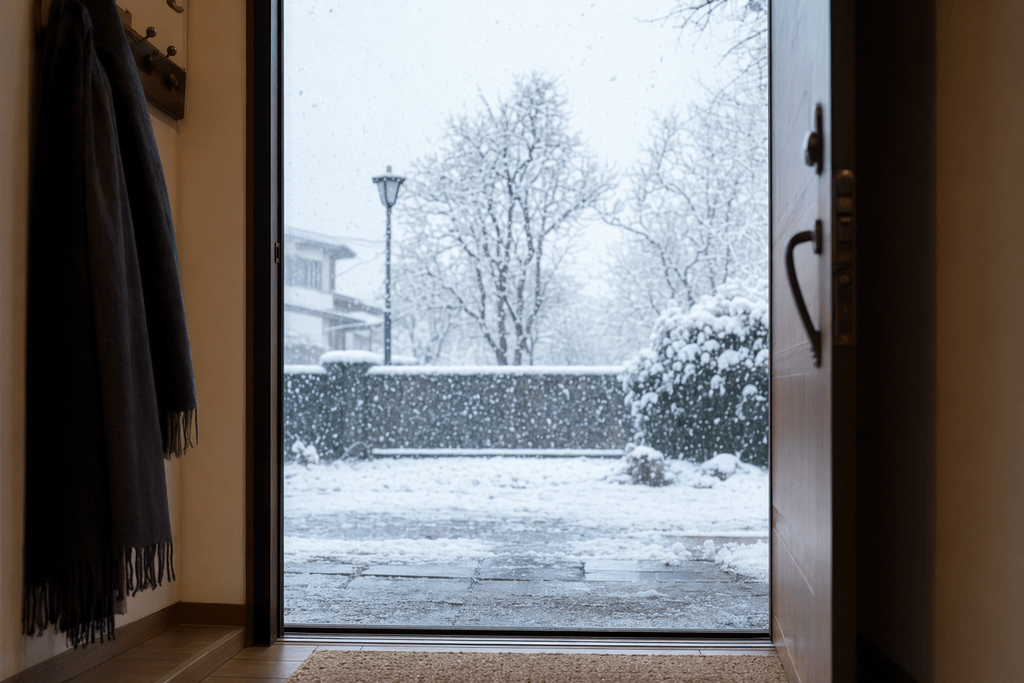
外
පිටත
外
පිටත
Explanation
外
පිටත
外
පිටත / බාහිරය / එළිය
( romanization )
( hiragana )
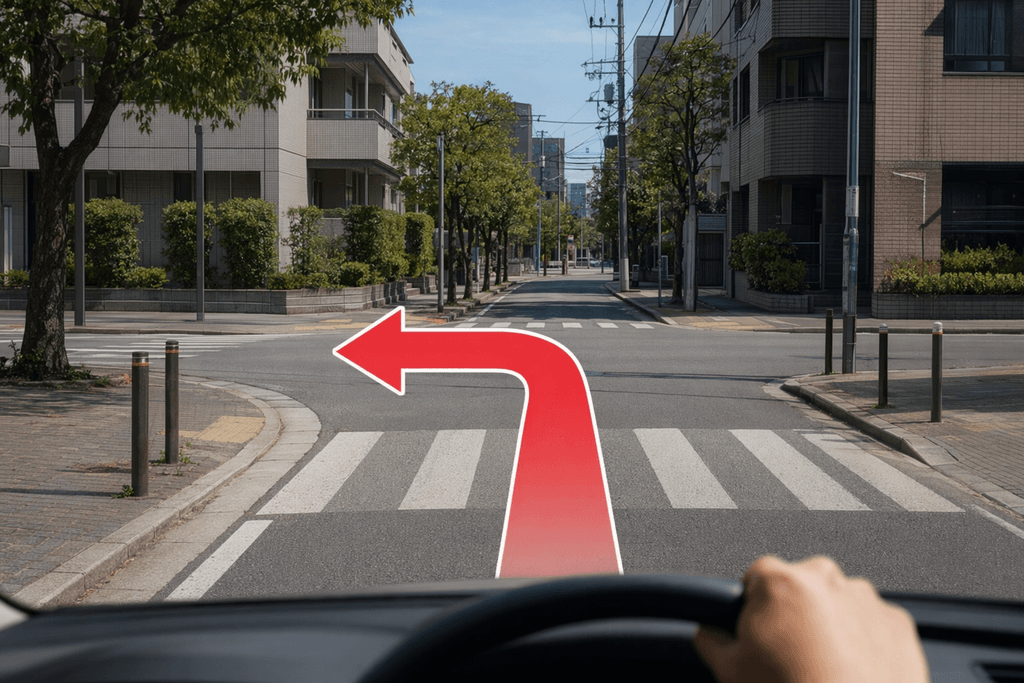
左
වම
左
වම
Explanation
左
වම
左
වම් දිශාව / වම් පැත්ත / වම් අත පැත්ත
( romanization )
( hiragana )
花瓶
මල් බඳුන
花瓶
මල් බඳුන
Explanation
花瓶
මල් බඳුන
花瓶
මල්දම තැබීමට භාවිත කරන බඳුන / මල් බඳුන / වාස් එක

( Base form )
( romanization )
( romanization )
( hiragana historical )
( hiragana )
いかが
කොහොමද
いかが
කොහොමද
Explanation
කොහොමද
いかが
කොහොමද? / කෙසේද? / කොයිවගේද?
始まる
පටන් ගන්නවා
始まる
පටන් ගන්නවා
Explanation
始まる
පටන් ගන්නවා
始まる
ආරම්භ වෙයි / පටන් ගනියි / මුල් වෙයි

Word Forms
The basic and commonly used forms of this verb.
Basic forms
| Form | Word form | Usage |
|---|---|---|
| Imperfective form (mizenkei) | Connects to endings such as nai, reru, and seru. | |
| Continuative form (renyokei) | Connects to endings such as masu, tai, and ta. | |
| Conclusive form (shushikei) | Ends a sentence and serves as the dictionary form. | |
| Attributive form (rentaikei) | Modifies a noun. | |
| Conditional form (kateikei) | Combines with ba to express a condition. | |
| Imperative form (meireikei) | Expresses a command or instruction. |
Common forms
Loading...

JLPT N5 多言語単語帳・665語 / JLPT N5 Multilingual Vocabulary: 665 Words

Jonathan Waller 氏の JLPT Resources の語彙リスト・レベル分類を出典とし、CC BY の条件に従って DiQt が初級向けに意味を作り直した665語の単語帳です。JLPT公式の語彙リストではありません。
This collection of 665 words is based on the vocabulary list and level classifications in Jonathan Waller’s JLPT Resources under CC BY, with meanings rewritten by DiQt for beginners. It is not an official JLPT vocabulary list.
Key Operations
Select the first quiz:
Ctrl + Enter
View Explanation:Ctrl + G
Close a feedback:Esc
When selecting a quiz
Answer:Enter
Select a choice:↓ or ↑
Reading out the question:Ctrl + K
View Hint: Ctrl + M
I don't know: Ctrl + Y



