
JLPT N5 වචන අර්ථ පුහුණුව - Unsolved

පිළිතුරු විකල්ප හතරක් ඇති ප්රශ්න මඟින් JLPT N5 වචන 665ක අර්ථ සිංහලෙන් ඉගෙන ගන්න.
-
තරමක් / ප්රමාණවත්
-
ක්රමයෙන්
-
වඩාත්ම / අංක එක
-
පලතුරු
-
පාර
-
ලබන සතියේ
-
අපිරිසිදු
-
කහ
-
තරුණ
- イ形容詞。命令形「黒かれ」は現代語では稀。
-
එක
-
සාක්කුව
-
ශීත ඍතුව
-
බත් පෙට්ටිය
-
මත්පැන් / ජපන් සහල් මත්පැන්
-
ගිය සතියේ
-
කුටුම්බය
-
උද්යානය
-
ගෙදර වැඩ
-
හිටගන්නවා
-
මිලදී ගන්නවා
-
උගන්වනවා / කියා දෙනවා
- 「練習」+「する」から成るサ変複合動詞。
-
සීයා / මහලු මිනිසා
-
හන්දිය
-
දුඹුරු
-
වැසි වසිනවා / හිම වැටෙනවා
-
ණයට ගන්නවා
-
විවේක ගන්නවා / නිවාඩු ගන්නවා
-
පුටුව
-
හැමෝම
-
මාළුවා
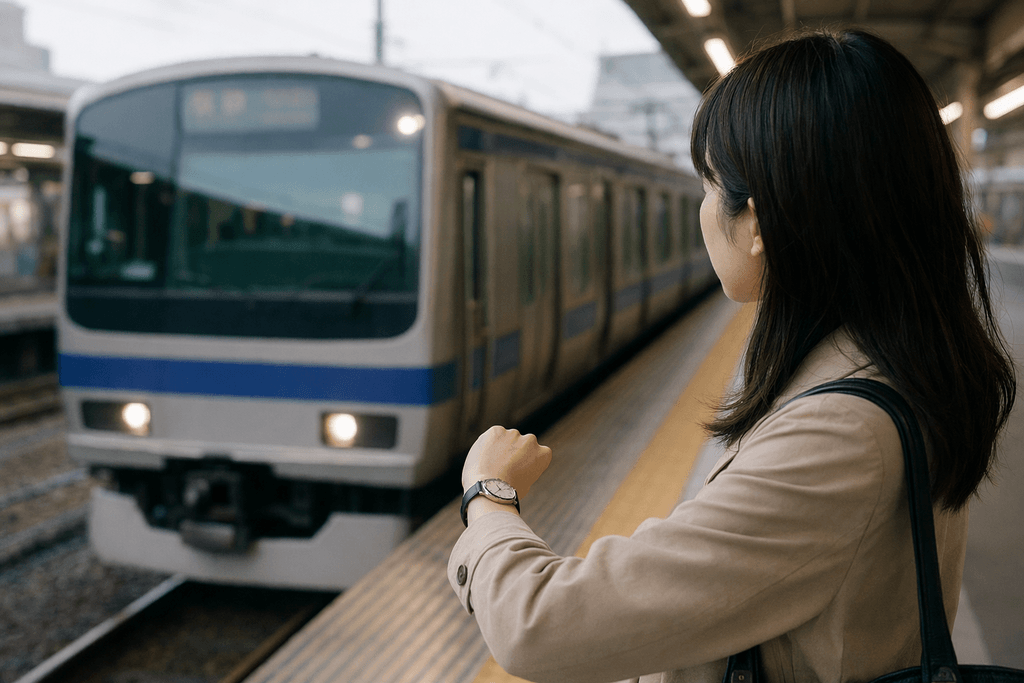
ちょうど
හරියටම
ちょうど
හරියටම
Explanation
හරියටම
ちょうど
හරියටම / තිකක්වත් අඩු නැති ලෙස / ඒ මොහොතෙම
( romanization )
( romanization )
( hiragana historical )
ふろ
නාන එක
ふろ
නාන එක
Explanation
නාන එක
ふろ
නාන කාමරය/නාන ජලය / නාන ටබ් (නාන තටාකය) / තේ උත්සවයේ භාවිතා වන අතේ ගෙන යා හැකි ගිනිපොළ/උඳුන

( Base form )
( Base form )
( romanization )
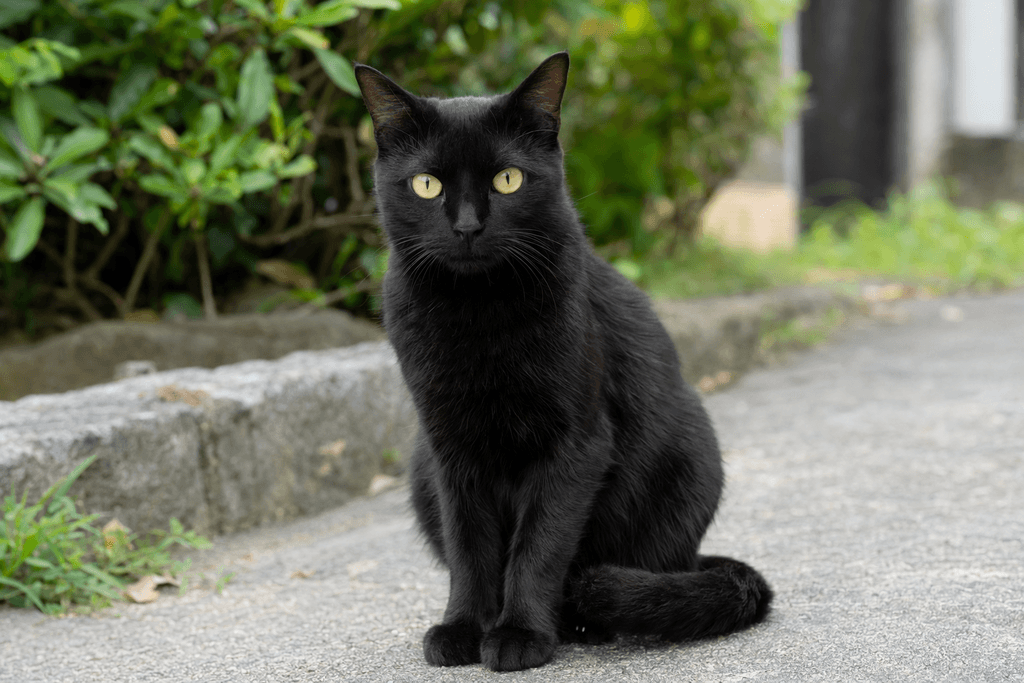
黒い
කළු
黒い
කළු
Explanation
黒い
කළු
黒い
කළු / අඳුරු
Word Forms
The basic and commonly used forms of this adjective.
Basic forms
| Form | Word form | Usage |
|---|---|---|
| Imperfective form (mizenkei) | Used in forms such as karou; mainly literary. | |
| Continuative form (renyokei) |
Alternative:
黒かっ
|
Used in forms such as kute and kunai. |
| Conclusive form (shushikei) | Ends a sentence. | |
| Attributive form (rentaikei) | Modifies a noun. | |
| Conditional form (kateikei) | Expresses a condition with kereba. | |
| Imperative form (meireikei) | Rarely used in modern Japanese. |
Common forms
| Form | Word form | Usage |
|---|---|---|
| Te-form | Connects clauses with kute. | |
| Ta-form | Expresses the past with katta. | |
| Nai-form | Expresses negation with kunai. | |
| Ba-form | Expresses a condition with kereba. |
Notes
午前
පෙරවරුව
午前
පෙරවරුව
Explanation
午前
පෙරවරුව
午前
පෙරවරුව (මධ්යහ්නයට පෙර කාලය) / පෙ.ව./AM (පෙරවරුවේ වේලාව)

( Base form )
( romanization )
( hiragana )
生徒
සිසුවා
生徒
සිසුවා
Explanation
生徒
සිසුවා
生徒
පාසල් ශිෂ්යයා / පාසල් සිසුවා / ශිෂ්යයෙක් (පාසලේ)

( Base form )
( romanization )
( hiragana )
ゆうべ
ඊයේ රෑ
ゆうべ
ඊයේ රෑ
Explanation
ඊයේ රෑ
ゆうべ
ඊයේ රෑ / පසුගිය රෑ

( romanization )
( romanization )
( hiragana historical )
( hiragana )
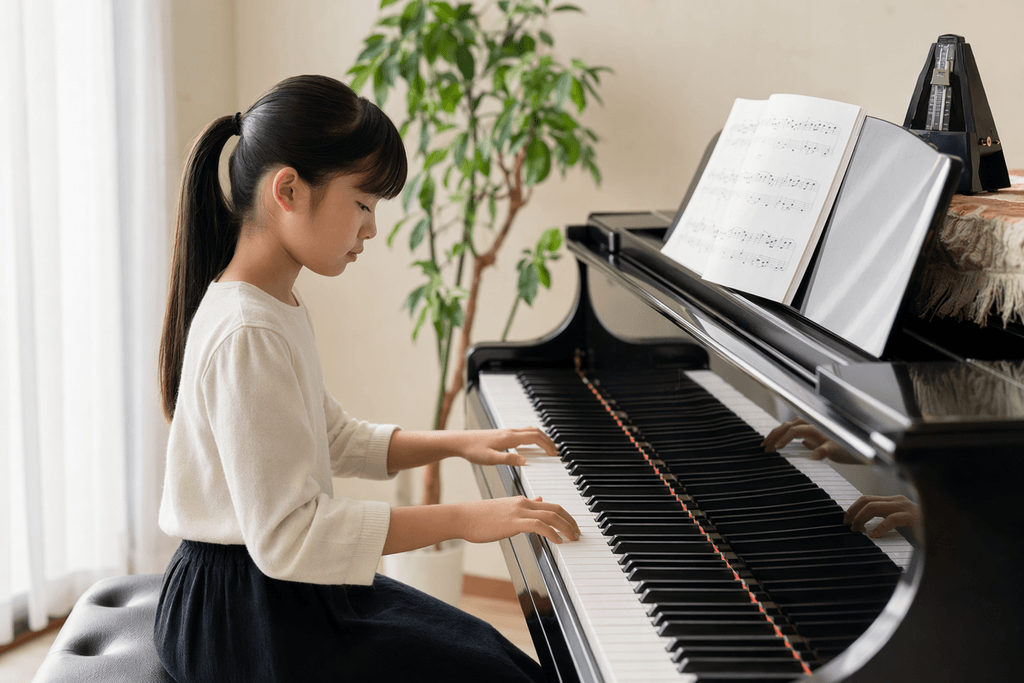
練習する
පුහුණු වෙනවා
練習する
පුහුණු වෙනවා
Explanation
練習する
පුහුණු වෙනවා
練習する
අභ්යාස කිරීම / පුහුණු වීම / ප්රායෝගිකව පුහුණු කිරීම
Word Forms
The basic and commonly used forms of this verb.
Basic forms
| Form | Word form | Usage |
|---|---|---|
| Imperfective form (mizenkei) |
Alternative:
練習せ
練習さ
|
Connects to endings such as nai, reru, and seru. |
| Continuative form (renyokei) | Connects to endings such as masu, tai, and ta. | |
| Conclusive form (shushikei) | Ends a sentence and serves as the dictionary form. | |
| Attributive form (rentaikei) | Modifies a noun. | |
| Conditional form (kateikei) | Combines with ba to express a condition. | |
| Imperative form (meireikei) |
Alternative:
練習せよ
|
Expresses a command or instruction. |
Common forms
| Form | Word form | Usage |
|---|---|---|
| Te-form | Connects clauses with te. | |
| Ta-form | Expresses the past with ta. | |
| Nai-form |
Alternative:
練習せぬ
|
Expresses negation with nai. |
| Masu-form | Used for polite speech. | |
| Ba-form | Expresses a condition with ba. | |
| Volitional form | Expresses intention or invitation. |
Notes
おばあさん
ආච්චි / මහලු කාන්තාව
おばあさん
ආච්චි / මහලු කාන්තාව
Explanation
ආච්චි / මහලු කාන්තාව
おばあさん
ආච්චි / වැඩිහිටි කාන්තාව / මහලු ගැහැණු කෙනා

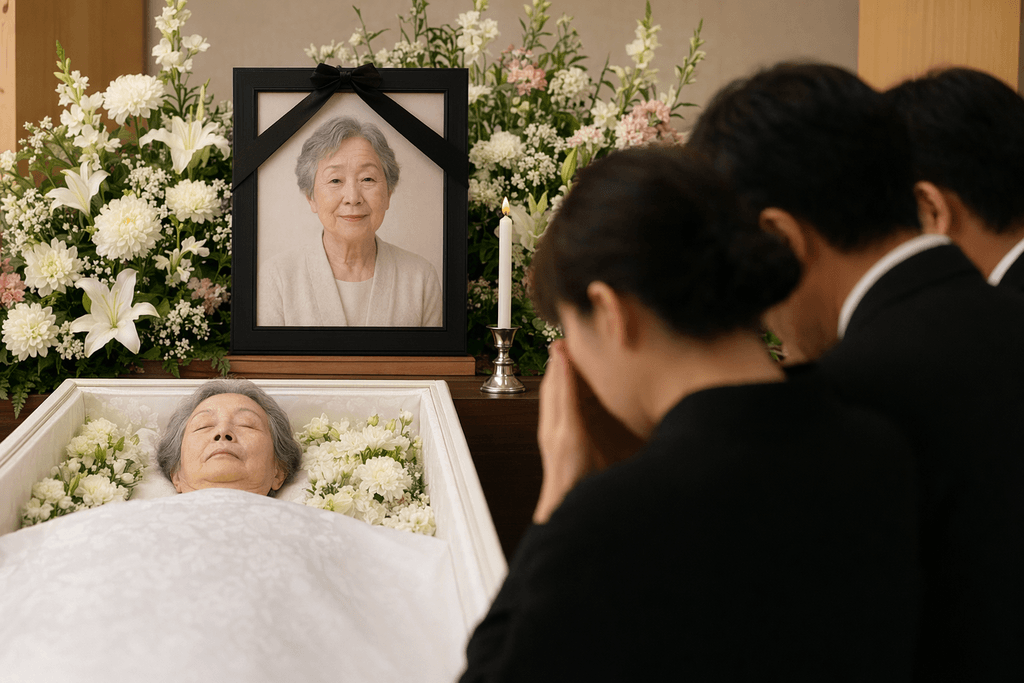
死ぬ
මැරෙනවා
死ぬ
මැරෙනවා
Explanation
死ぬ
මැරෙනවා
死ぬ
මිය යාම / නැතිවී යාම / විනාශ වීම / ජීවශක්තිය නැතිව අකර්මණ්ය වීම
Word Forms
The basic and commonly used forms of this verb.
Basic forms
| Form | Word form | Usage |
|---|---|---|
| Imperfective form (mizenkei) |
Alternative:
死の
|
Connects to endings such as nai, reru, and seru. |
| Continuative form (renyokei) | Connects to endings such as masu, tai, and ta. | |
| Conclusive form (shushikei) | Ends a sentence and serves as the dictionary form. | |
| Attributive form (rentaikei) | Modifies a noun. | |
| Conditional form (kateikei) | Combines with ba to express a condition. | |
| Imperative form (meireikei) | Expresses a command or instruction. |
Common forms
お菓子
රසකැවිලි
お菓子
රසකැවිලි
Explanation
お菓子
රසකැවිලි
お菓子
මිහිරි කෑම / කැන්ඩි / රසකැවිලි / කේක් / බිස්කට් වැනි පේස්ට්රි

( Base form )
( romanization )
( romanization )
( hiragana historical )
( hiragana )
Loading...

JLPT N5 多言語単語帳・665語 / JLPT N5 Multilingual Vocabulary: 665 Words

Jonathan Waller 氏の JLPT Resources の語彙リスト・レベル分類を出典とし、CC BY の条件に従って DiQt が初級向けに意味を作り直した665語の単語帳です。JLPT公式の語彙リストではありません。
This collection of 665 words is based on the vocabulary list and level classifications in Jonathan Waller’s JLPT Resources under CC BY, with meanings rewritten by DiQt for beginners. It is not an official JLPT vocabulary list.
Key Operations
Select the first quiz:
Ctrl + Enter
View Explanation:Ctrl + G
Close a feedback:Esc
When selecting a quiz
Answer:Enter
Select a choice:↓ or ↑
Reading out the question:Ctrl + K
View Hint: Ctrl + M
I don't know: Ctrl + Y



