
JLPT N3 詞義四選一 - Unsolved

透過四選一題目,用繁體中文學習JLPT N3的1677個單字詞義。
-
誠實
-
名字 / 名聲
-
輕鬆
-
荒唐的 / 不可能
-
激烈的
-
臭
- 「たまらない」は「堪らない」とも表記され、形容詞として扱う場合はイ形容詞型に活用する。
- 語源的には動詞「堪る」の否定形に由来するため、文脈によって連語的にも解釈される。
-
接連不斷
-
未必
-
一點也不
-
進展順利
-
錯誤
-
商人
-
熟睡
-
偶然
-
幸好
-
生命
-
幸福
-
城堡
-
登山
-
大象
-
飯食 / 白飯
-
條件
-
關係
-
入迷的
-
黑板
-
胃
-
男孩 / 服務生
-
共同的
-
明顯
-
平靜的 / 溫和的
今日
當今
今日
當今
Explanation
今日
當今
今日
當今;現今;如今 / 現代;當代
( Base form )
( romanization )
( hiragana )
たまらない
難以忍受
たまらない
難以忍受
Explanation
難以忍受
たまらない
難以忍受的 / 極度的 / 令人難以抗拒的

Word Forms
The basic and commonly used forms of this adjective.
Basic forms
| Form | Word form | Usage |
|---|---|---|
| Imperfective form (mizenkei) | Used in forms such as karou; mainly literary. | |
| Continuative form (renyokei) |
Alternative:
たまらなかっ
|
Used in forms such as kute and kunai. |
| Conclusive form (shushikei) | Ends a sentence. | |
| Attributive form (rentaikei) | Modifies a noun. | |
| Conditional form (kateikei) | Expresses a condition with kereba. | |
| Imperative form (meireikei) | Rarely used in modern Japanese. |
Common forms
| Form | Word form | Usage |
|---|---|---|
| Te-form | Connects clauses with kute. | |
| Ta-form | Expresses the past with katta. | |
| Nai-form | Expresses negation with kunai. | |
| Ba-form |
Alternative:
たまらなきゃ
|
Expresses a condition with kereba. |
Notes
要するに
簡而言之
要するに
簡而言之
Explanation
要するに
簡而言之
要するに
總之 / 簡言之 / 一言以蔽之

( Base form )
( romanization )
( romanization )
( hiragana historical )
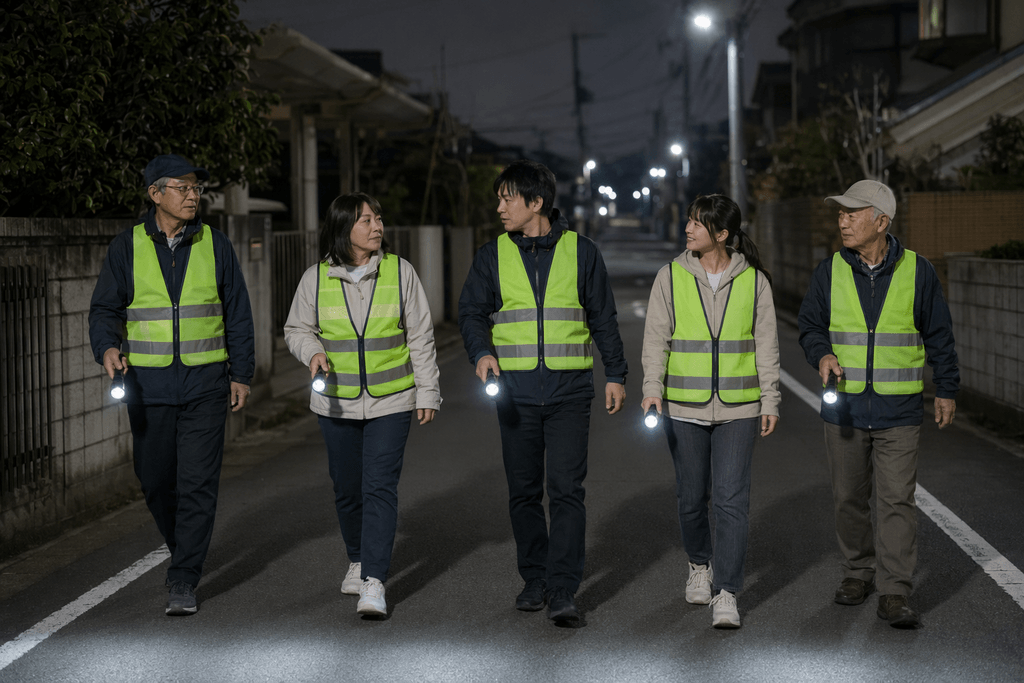
共同
共同
共同
共同
Explanation
共同
共同
共同
合作 / 協力 / 聯合
( Base form )
( romanization )
( hiragana )
できれば
如果可以
できれば
如果可以
Explanation
如果可以
できれば
如果可以的話 / 最好 / 能夠的話

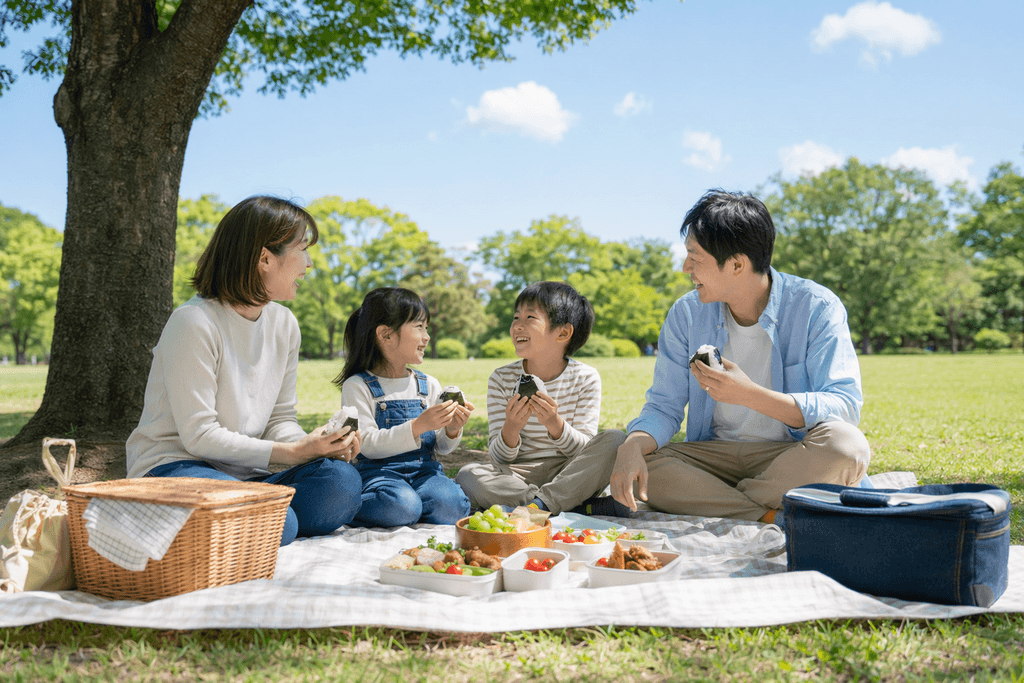
ピクニック
野餐
ピクニック
野餐
Explanation
野餐
ピクニック
野餐 / 戶外用餐活動
( romanization )
候補
候選人
候補
候選人
Explanation
候補
候選人
候補
候選人 / 人選 / 候補者

( Base form )
( romanization )
( hiragana )
動詞
動詞
動詞
動詞
Explanation
動詞
動詞
動詞
表示動作、狀態或變化的詞類 / 語法上能充當謂語的詞

( Base form )
( romanization )
( hiragana )
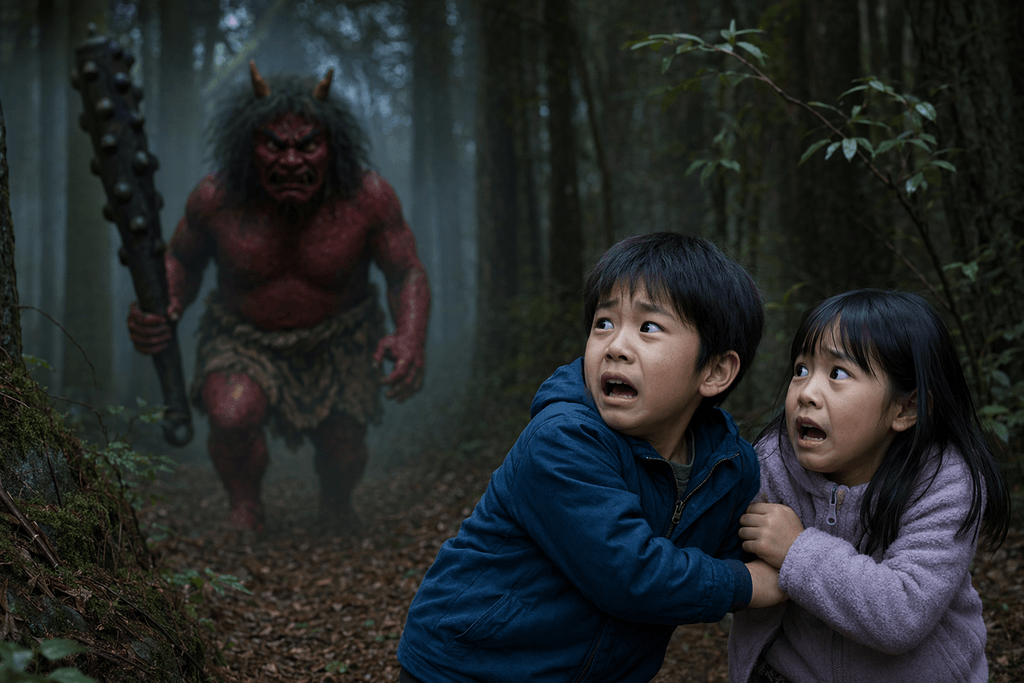
鬼
鬼怪
鬼
鬼怪
Explanation
鬼
鬼怪
鬼
幽靈、惡鬼、妖怪 / 比喻能力超群或手段狠辣的人 / 追逐或捉迷藏等遊戲中負責追人的人
( romanization )
( hiragana )
平ら
平坦
平ら
平坦
Explanation
平ら
平坦
平ら
平坦、平整、水平 / 穩定、平靜、安寧 / 輕鬆、非正式

Word Forms
The basic and commonly used forms of this adjectival noun.
Basic forms
| Form | Word form | Usage |
|---|---|---|
| Imperfective form (mizenkei) | Used in forms such as darou. | |
| Continuative form (renyokei) |
Alternative:
平らに
平らだっ
|
Used with de or ni. |
| Conclusive form (shushikei) | Ends a sentence with da. | |
| Attributive form (rentaikei) |
Alternative:
平らなる
|
Modifies a noun with na. |
| Conditional form (kateikei) | Expresses a condition with nara. | |
| Imperative form (meireikei) |
Alternative:
平らなれ
|
Used in formal expressions such as de are. |
Common forms
Loading...

JLPT N3 多言語単語帳・1677語 / JLPT N3 Multilingual Vocabulary: 1677 Words

Jonathan Waller 氏の JLPT Resources の語彙リスト・レベル分類を出典とし、CC BY の条件に従って DiQt が学習者向けに意味を作り直した1677語の単語帳です。JLPT公式の語彙リストではありません。
This collection of 1677 words is based on the vocabulary list and level classifications in Jonathan Waller’s JLPT Resources under CC BY, with meanings rewritten by DiQt for learners. It is not an official JLPT vocabulary list.
Key Operations
Select the first quiz:
Ctrl + Enter
View Explanation:Ctrl + G
Close a feedback:Esc
When selecting a quiz
Answer:Enter
Select a choice:↓ or ↑
Reading out the question:Ctrl + K
View Hint: Ctrl + M
I don't know: Ctrl + Y



