
JLPT N3 詞義四選一 - Unsolved

透過四選一題目,用繁體中文學習JLPT N3的1677個單字詞義。
-
心臟
-
研議
-
周圍 / 周長
-
國會
-
年齡
-
張貼 / 告示
-
空位 / 空閒時間
-
游泳
-
順序
-
功能 / 工作
-
日常生活
-
演講
-
搆到 / 送達
-
認可 / 承認
-
許可 / 原諒
-
處理 / 處置
-
星期
-
波浪
-
風景
-
去程
-
職責 / 用處
-
金屬
-
一片 / 鋒利度
-
側面 / 腋下
-
儀式 / 公式
-
帳篷
-
通行
-
離開 / 相隔
-
邀請 / 誘惑
-
失去
職
工作
職
工作
Explanation
職
工作
職
就業、受雇 / 職業、職位 / (角色扮演遊戲)職業類別

( romanization )
( hiragana )
解決
解決
解決
解決
Explanation
解決
解決
解決
解決辦法;方案 / 和解、了結 / (音樂)不協和音進行至協和音的歸結;承接此進行的和弦

( Base form )
( romanization )
( hiragana )
反抗
反抗
反抗
反抗
Explanation
反抗
反抗
反抗
抵抗 / 對抗、抗爭 / 叛亂

( Base form )
( romanization )
( hiragana )
温度
溫度
温度
溫度
Explanation
温度
溫度
温度
冷熱的程度 / 物體或環境熱量的高低 / 以攝氏、華氏等單位表示的熱度測量值

( Base form )
( romanization )
( romanization )
( kyūjitai )
( hiragana historical )
( hiragana )
凍る
結冰
凍る
結冰
Explanation
凍る
結冰
凍る
結冰 / 凍住 / 凝固

Word Forms
The basic and commonly used forms of this verb.
Basic forms
| Form | Word form | Usage |
|---|---|---|
| Imperfective form (mizenkei) |
Alternative:
凍ろ
|
Connects to endings such as nai, reru, and seru. |
| Continuative form (renyokei) | Connects to endings such as masu, tai, and ta. | |
| Conclusive form (shushikei) | Ends a sentence and serves as the dictionary form. | |
| Attributive form (rentaikei) | Modifies a noun. | |
| Conditional form (kateikei) | Combines with ba to express a condition. | |
| Imperative form (meireikei) | Expresses a command or instruction. |
Common forms
永久
永久
永久
永久
Explanation
永久
永久
永久
永久的 / 永恆的 / 長久不變的

( Base form )
( romanization )
( romanization )
( adnominal )
( adverbial )
( hiragana historical )
( hiragana )
( table-tags )
( inflection-template )
( imperfective stem )
( imperfective stem )
( imperfective )
( continuative stem )
( continuative stem )
( continuative )
( stem terminative )
( stem terminative )
( terminative )
( attributive stem )
( attributive stem )
( attributive )
( hypothetical stem )
( hypothetical stem )
( hypothetical )
( Imperative stem )
( Imperative stem )
( Imperative )
( informal negative )
( informal negative )
( informal negative )
( informal negative )
( informal negative )
( informal negative )
( informal Past )
( informal Past )
( informal Past )
( informal negative Past )
( informal negative Past )
( informal negative Past )
( informal negative Past )
( informal negative Past )
( informal negative Past )
( formal )
( formal )
( formal )
( formal negative )
( formal negative )
( formal negative )
( formal negative )
( formal negative )
( formal negative )
( formal Past )
( formal Past )
( formal Past )
( formal negative Past )
( formal negative Past )
( formal negative Past )
( formal negative Past )
( formal negative Past )
( formal negative Past )
( conjunctive )
( conjunctive )
( conjunctive )
( Conditional )
( Conditional )
( Conditional )
( Conditional Past )
( Conditional Past )
( Conditional Past )
( volitional )
( volitional )
( volitional )
( adverbial )
( adverbial )
( adverbial )
( noun-from-adj )
( noun-from-adj )
( noun-from-adj )
存在
存在
存在
存在
Explanation
存在
存在
存在
存在 / 存在者 / 實體

( Base form )
( romanization )
( hiragana )
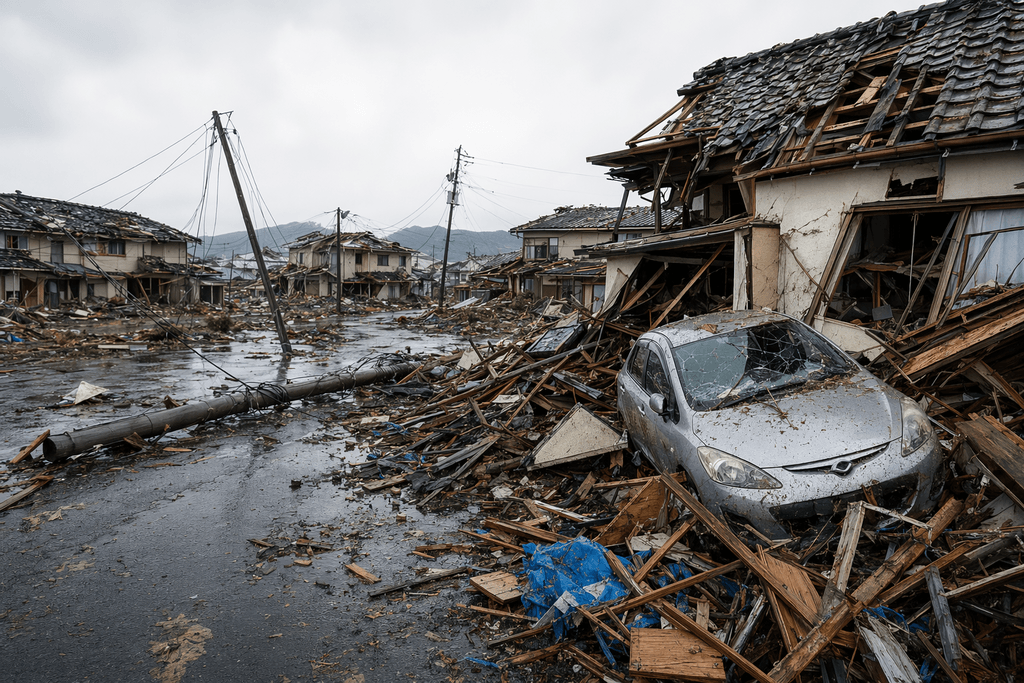
被害
受害
被害
受害
Explanation
被害
受害
被害
損害 / 受害
( Base form )
( romanization )
( hiragana )
電子
電子
電子
電子
Explanation
電子
電子
電子
原子中的帶負電基本粒子 / (作定語)電子性、電子化特性

( Base form )
( romanization )
( hiragana )
暮らす
生活
暮らす
生活
Explanation
暮らす
生活
暮らす
生活、過日子 / 度過(時間、日子) / 謀生、維持生計

Word Forms
The basic and commonly used forms of this verb.
Basic forms
| Form | Word form | Usage |
|---|---|---|
| Imperfective form (mizenkei) |
Alternative:
暮らそ
|
Connects to endings such as nai, reru, and seru. |
| Continuative form (renyokei) | Connects to endings such as masu, tai, and ta. | |
| Conclusive form (shushikei) | Ends a sentence and serves as the dictionary form. | |
| Attributive form (rentaikei) | Modifies a noun. | |
| Conditional form (kateikei) | Combines with ba to express a condition. | |
| Imperative form (meireikei) | Expresses a command or instruction. |
Common forms
Loading...

JLPT N3 多言語単語帳・1677語 / JLPT N3 Multilingual Vocabulary: 1677 Words

Jonathan Waller 氏の JLPT Resources の語彙リスト・レベル分類を出典とし、CC BY の条件に従って DiQt が学習者向けに意味を作り直した1677語の単語帳です。JLPT公式の語彙リストではありません。
This collection of 1677 words is based on the vocabulary list and level classifications in Jonathan Waller’s JLPT Resources under CC BY, with meanings rewritten by DiQt for learners. It is not an official JLPT vocabulary list.
Key Operations
Select the first quiz:
Ctrl + Enter
View Explanation:Ctrl + G
Close a feedback:Esc
When selecting a quiz
Answer:Enter
Select a choice:↓ or ↑
Reading out the question:Ctrl + K
View Hint: Ctrl + M
I don't know: Ctrl + Y



