
JLPT N3 詞義四選一 - Unsolved

透過四選一題目,用繁體中文學習JLPT N3的1677個單字詞義。
-
到達
-
墳墓
-
等級
-
相配
-
分割 / 打碎
-
醒來
-
生計
-
出身
-
世上
-
堅硬
-
難以忍受
-
親近
-
細繩
-
巨大的
-
火焰
-
無用的
-
優秀的
-
新鮮
-
中間 / 一半
-
女王
-
松樹
-
升學
-
禁止吸菸
-
活力
-
一瞬間
-
秘密
-
總統
-
撲克牌
-
男人
-
投票
年齢
年齡
年齢
年齡
Explanation
年齢
年齡
年齢
年齡 / 年歲 / 歲數

( Base form )
( romanization )
( hiragana )
うなる
呻吟
うなる
呻吟
Explanation
呻吟
うなる
低聲呻吟;哼哼 / 低吼;咆哮 / (風、引擎等)呼嘯;轟鳴

Word Forms
The basic and commonly used forms of this verb.
Basic forms
| Form | Word form | Usage |
|---|---|---|
| Imperfective form (mizenkei) |
Alternative:
うなろ
|
Connects to endings such as nai, reru, and seru. |
| Continuative form (renyokei) | Connects to endings such as masu, tai, and ta. | |
| Conclusive form (shushikei) | Ends a sentence and serves as the dictionary form. | |
| Attributive form (rentaikei) | Modifies a noun. | |
| Conditional form (kateikei) | Combines with ba to express a condition. | |
| Imperative form (meireikei) | Expresses a command or instruction. |
Common forms
関心
關心
関心
關心
Explanation
関心
關心
関心
關心 / 興趣 / 關切

( Base form )
( romanization )
( kyūjitai )
( hiragana )
鋭い
鋒利
鋭い
鋒利
Explanation
鋭い
鋒利
鋭い
鋒利的;尖銳的 / 犀利的(問題、觀點) / 敏銳的;靈敏的

Word Forms
The basic and commonly used forms of this adjective.
Basic forms
| Form | Word form | Usage |
|---|---|---|
| Imperfective form (mizenkei) | Used in forms such as karou; mainly literary. | |
| Continuative form (renyokei) |
Alternative:
鋭かっ
|
Used in forms such as kute and kunai. |
| Conclusive form (shushikei) | Ends a sentence. | |
| Attributive form (rentaikei) | Modifies a noun. | |
| Conditional form (kateikei) | Expresses a condition with kereba. | |
| Imperative form (meireikei) | Rarely used in modern Japanese. |
Common forms
球
球體
球
球體
Explanation
球
球體
球
球體;球形物 / (棒球)投出的球;投球 / (電子俚語)真空管;電子管

( romanization )
( romanization )
( hiragana historical )
( hiragana )
ハンサム
英俊的
ハンサム
英俊的
Explanation
英俊的
ハンサム
英俊 / 帥氣 / 俊美

Word Forms
The basic and commonly used forms of this adjectival noun.
Basic forms
| Form | Word form | Usage |
|---|---|---|
| Imperfective form (mizenkei) | Used in forms such as darou. | |
| Continuative form (renyokei) |
Alternative:
ハンサムに
|
Used with de or ni. |
| Conclusive form (shushikei) | Ends a sentence with da. | |
| Attributive form (rentaikei) | Modifies a noun with na. | |
| Conditional form (kateikei) |
Alternative:
ハンサムならば
|
Expresses a condition with nara. |
| Imperative form (meireikei) | Used in formal expressions such as de are. |
Common forms
援助
援助
援助
援助
Explanation
援助
援助
援助
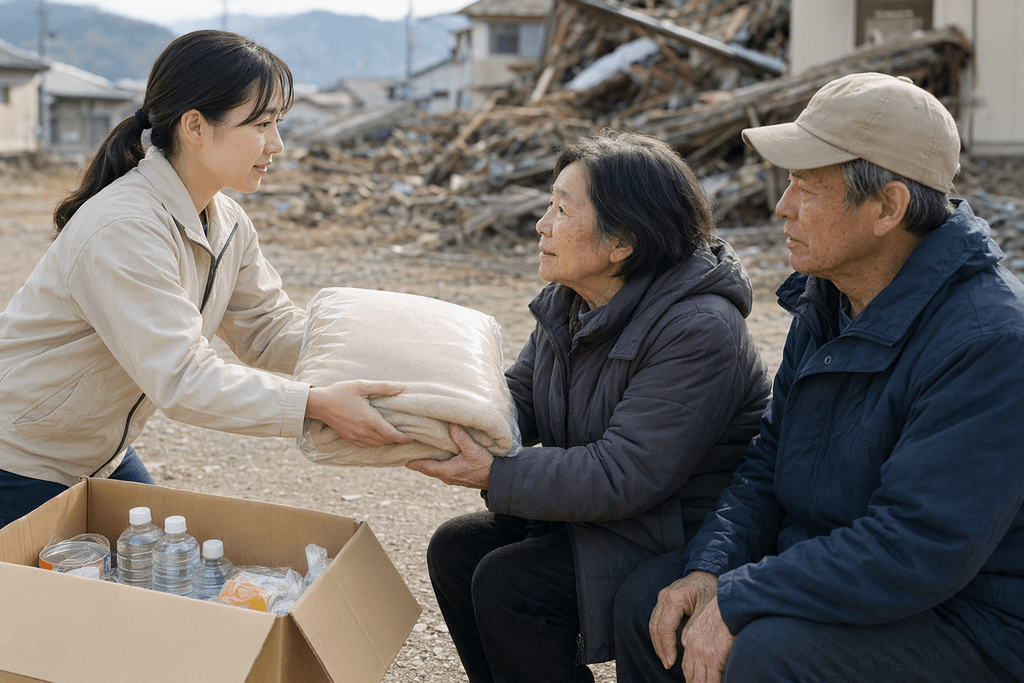
幫助;支援 / 提供物資或資金的救助 / 對陷入困境者或國家的援助行為
( Base form )
( romanization )
( romanization )
( hiragana historical )
( hiragana )
奥
裡面
奥
裡面
Explanation
奥
裡面
奥
內部;深處;後方 / 屋內;內室 / 內心;真情

( romanization )
( hiragana )
女優
女演員
女優
女演員
Explanation
女優
女演員
女優
女演員 / 女性表演者(戲劇、電影、電視)

( Base form )
( romanization )
( hiragana )
相手
對方 / 對手
相手
對方 / 對手
Explanation
相手
對方 / 對手
相手
對方 / 夥伴 / 對手

( Base form )
( romanization )
( romanization )
( hiragana historical )
( hiragana )
Loading...

JLPT N3 多言語単語帳・1677語 / JLPT N3 Multilingual Vocabulary: 1677 Words

Jonathan Waller 氏の JLPT Resources の語彙リスト・レベル分類を出典とし、CC BY の条件に従って DiQt が学習者向けに意味を作り直した1677語の単語帳です。JLPT公式の語彙リストではありません。
This collection of 1677 words is based on the vocabulary list and level classifications in Jonathan Waller’s JLPT Resources under CC BY, with meanings rewritten by DiQt for learners. It is not an official JLPT vocabulary list.
Key Operations
Select the first quiz:
Ctrl + Enter
View Explanation:Ctrl + G
Close a feedback:Esc
When selecting a quiz
Answer:Enter
Select a choice:↓ or ↑
Reading out the question:Ctrl + K
View Hint: Ctrl + M
I don't know: Ctrl + Y



