
JLPT N3 Grammar: Sentence Gap-Fill with Four Choices - Unsolved

Practice 53 grammar points through sentence gap-fill questions with four answer choices, using English translations as hints and viewing explanations and connection forms after answering.
-
のが上手だ
-
のが下手だ
-
まい
-
ごとに
-
をはじめ
-
として
-
どんなに
-
まるで
-
いったい
-
にとって
-
をはじめ
-
に対して
-
に向かって
-
として
-
のために
-
たくて
-
たがって
-
てあげて
-
たがっていた
-
たてだった
-
に行っていた
-
として
-
とともに
-
によると
-
しか
-
こそ
-
さえ
-
ために
-
つもりで
-
に過ぎず
健康のため、毎日30分は歩く( )。
Hint
For my health, I try to walk for at least 30 minutes every day.
健康のため、毎日30分は歩く( )。
ようにする
健康のため、毎日30分は歩く( )。
ようにする
Explanation
健康のため、毎日30分は歩く( )。
ようにする
「ようにする」 means make an effort to do something
or make sure to do something
. It is often used for building habits or trying not to do something.
動詞辞書形・ない形+ようにする
ようにする
to try to; to make an effort to; to make sure to

旅行のあと、財布には千円( )残っていなかった。
Hint
After the trip, I had only 1,000 yen left in my wallet.
旅行のあと、財布には千円( )残っていなかった。
きり
旅行のあと、財布には千円( )残っていなかった。
きり
Explanation
旅行のあと、財布には千円( )残っていなかった。
きり
「きり」 means only that amount
, with nothing more. After a quantity, it emphasizes how little there is.
数量を表す名詞+きり
きり
limited to / only

友達は私を見送るために、( )駅まで来てくれました。
Hint
My friend made a special trip to the station to see me off.
友達は私を見送るために、( )駅まで来てくれました。
わざわざ
友達は私を見送るために、( )駅まで来てくれました。
わざわざ
Explanation
友達は私を見送るために、( )駅まで来てくれました。
わざわざ
「わざわざ」 emphasizes taking extra time or trouble to do something for a particular purpose, often with gratitude for someone else’s effort.
わざわざ+動詞
わざわざ
specially / expressly / going out of one’s way / taking the trouble (to do something) / at great pains

時間( )あれば、もっと日本語を勉強できるのに。
Hint
If only I had time, I could study Japanese more.
時間( )あれば、もっと日本語を勉強できるのに。
さえ
時間( )あれば、もっと日本語を勉強できるのに。
さえ
Explanation
時間( )あれば、もっと日本語を勉強できるのに。
さえ
「さえ〜ば」 presents one condition as all that is needed. In this sentence, the speaker wishes they had time and says that this alone would make more study possible.
名詞+さえ+動詞ば形
~さえ~ば
if only / as long as / provided that / so long as

京都( )、日本には歴史のある町がたくさんあります。
Hint
Japan has many towns with a long history, Kyoto being a prime example.
京都( )、日本には歴史のある町がたくさんあります。
をはじめ
京都( )、日本には歴史のある町がたくさんあります。
をはじめ
Explanation
京都( )、日本には歴史のある町がたくさんあります。
をはじめ
「をはじめ」 names a representative example of a larger group, like starting with
or including
in a list. Here, Kyoto is given as the leading example of Japan’s many historic towns.
名詞+をはじめ
〜をはじめ
starting with / beginning with / including (among others) / such as
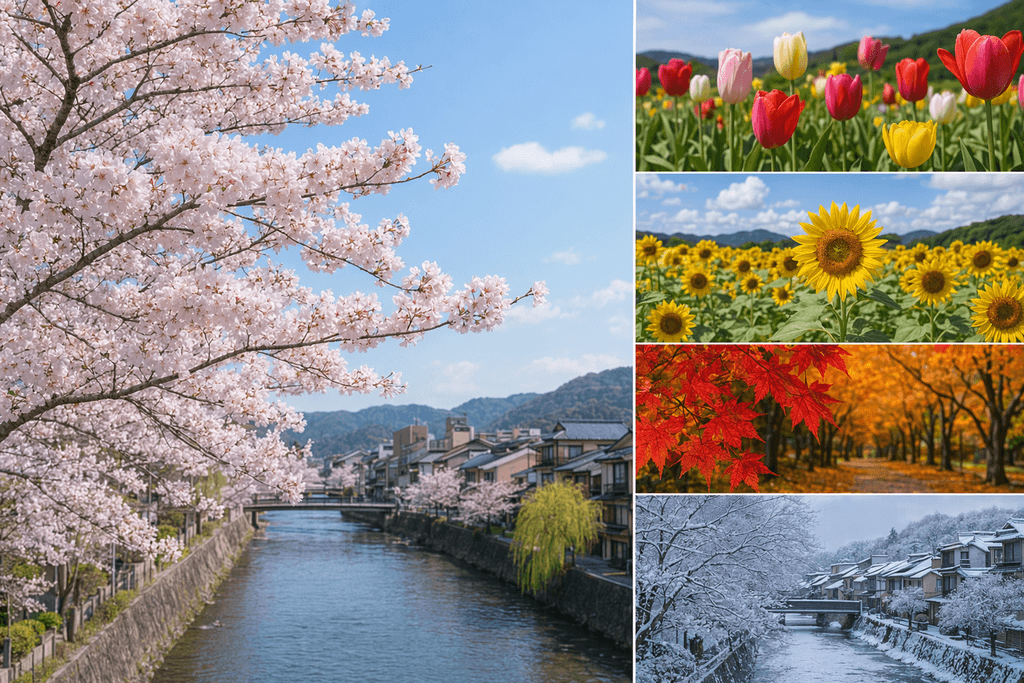
失敗し( )、準備の大切さに気づいた。
Hint
Only after failing did I realize how important preparation is.
失敗し( )、準備の大切さに気づいた。
て初めて
失敗し( )、準備の大切さに気づいた。
て初めて
Explanation
失敗し( )、準備の大切さに気づいた。
て初めて
「て初めて」 means that only after an event did someone realize or experience something for the first time.
動詞て形+初めて
~て初めて
only after ~ / not until ~ / upon ~, one realizes/experiences ~ for the first time

会議が終わるころ、外では雨が降り( )。
Hint
By the time the meeting ended, it had started raining outside.
会議が終わるころ、外では雨が降り( )。
始めていた
会議が終わるころ、外では雨が降り( )。
始めていた
Explanation
会議が終わるころ、外では雨が降り( )。
始めていた
「始める」 is added to a verb’s stem, the form before 「ます」, to mean start doing
. Here, 「始めていた」 shows that the rain had already started by the time the meeting ended.
動詞ます形のますを取る+始める
~始める
to start doing / to begin

この研究は、教育の分野( )重要な意味を持っています。
Hint
This research has great significance in the field of education.
この研究は、教育の分野( )重要な意味を持っています。
において
この研究は、教育の分野( )重要な意味を持っています。
において
Explanation
この研究は、教育の分野( )重要な意味を持っています。
において
「において」 marks the place, time, or field in which something happens or applies. It is formal and often used in writing.
名詞+において
〜において
in; at; on; during; regarding; as for; with respect to; in terms of; under (in the context of)

弟はゲーム( )していて、宿題をなかなか始めません。
Hint
My younger brother does nothing but play games and keeps putting off his homework.
弟はゲーム( )していて、宿題をなかなか始めません。
ばかり
弟はゲーム( )していて、宿題をなかなか始めません。
ばかり
Explanation
弟はゲーム( )していて、宿題をなかなか始めません。
ばかり
「ばかり」 after a noun emphasizes doing only that thing or doing it repeatedly, often more than is desirable.
名詞+ばかり
ばかり
only; just; merely; nothing but / about; approximately; roughly / have just; just (now) (with V‑ta ばかり)

この曲を聞く( )、学生時代の友だちを思い出す。
Hint
Every time I listen to this song, I remember my friends from my student days.
この曲を聞く( )、学生時代の友だちを思い出す。
たびに
この曲を聞く( )、学生時代の友だちを思い出す。
たびに
Explanation
この曲を聞く( )、学生時代の友だちを思い出す。
たびに
「たびに」 means every time
. It shows that the second event happens whenever the first event happens.
動詞辞書形+たびに。名詞+のたびに
~たびに
every time; each time

Loading...

JLPT N3 文法・53項目 / JLPT N3 Grammar: 53 Points

Jonathan Waller 氏の JLPT Resources の文法リスト・レベル分類を出典とし、CC BY の条件に従って DiQt が問題・説明・訳を作成した53項目の文法問題集です。JLPT と同じ形式の、例文の空欄を4つの選択肢から埋める問題で学び、例文の訳はヒントに、意味・使い方と接続の形は解答後の解説に表示されます。JLPT公式の文法リストではありません。
This collection covers 53 grammar points based on the grammar list and level classifications in Jonathan Waller’s JLPT Resources under CC BY, with questions, explanations, and translations created by DiQt. Practice with JLPT-style sentence gap-fill questions with four answer choices, using sentence translations as hints and viewing explanations of meaning, usage, and connection forms after answering. It is not an official JLPT grammar list.
Key Operations
Select the first quiz:
Ctrl + Enter
View Explanation:Ctrl + G
Close a feedback:Esc
When selecting a quiz
Answer:Enter
Select a choice:↓ or ↑
Reading out the question:Ctrl + K
View Hint: Ctrl + M
I don't know: Ctrl + Y



