
JLPT N3 Grammar: Sentence Gap-Fill with Four Choices - Unsolved

Practice 53 grammar points through sentence gap-fill questions with four answer choices, using English translations as hints and viewing explanations and connection forms after answering.
-
忘れた
-
かけの
-
損ねた
-
へ
-
を
-
と
-
ばかりだ
-
だらけだ
-
きりだ
-
は
-
さえ
-
しか
-
ようにする
-
はずがない
-
ことはない
- 推定・伝聞に近い意味を表す助動詞。「〜らしい」の形で「〜のようだ」「〜と思われる」の意。
- 形容詞型活用。連用形は「らしく」と、後続する「た」などの前に現れる「らしかっ」を併記。
- 命令形は現代語では通常用いられないため primary を null とした。
-
つもりで
-
ふりをして
-
代わりに
-
としての
-
による
-
に過ぎない
-
になれた
-
のままだった
-
になった
-
つもりだ
-
はずがない
-
まい
-
に
-
へ
-
を
焼き( )パンは、外がカリカリでとてもおいしいです。
Hint
Freshly baked bread is crispy on the outside and very delicious.
焼き( )パンは、外がカリカリでとてもおいしいです。
たての
焼き( )パンは、外がカリカリでとてもおいしいです。
たての
Explanation
焼き( )パンは、外がカリカリでとてもおいしいです。
たての
「たて」 attaches to a verb stem to describe something just made or an action just completed, often emphasizing freshness or newness.
動詞ます形のますを取る+たて。名詞の前は「たての」
~たて
noun suffix indicating that something is newly made, newly built, newly born, etc.

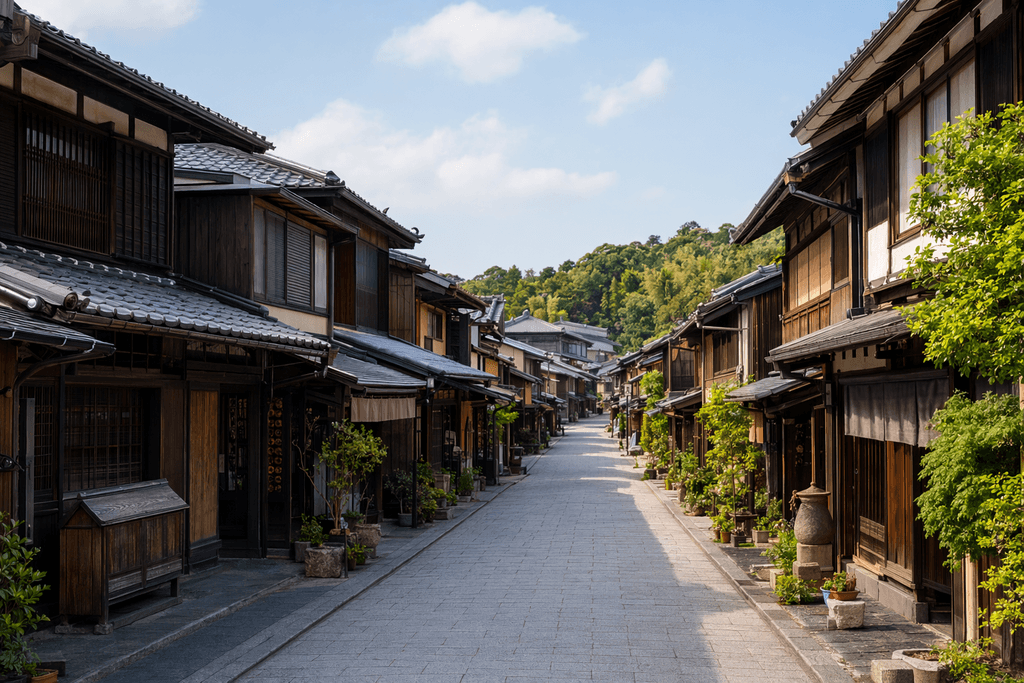
この町( )昔の建物がたくさんある。
Hint
In this town, there are many old buildings.
この町( )昔の建物がたくさんある。
には
この町( )昔の建物がたくさんある。
には
Explanation
この町( )昔の建物がたくさんある。
には
「には〜の〜がある」 states what exists in a place or area. 「の」 links nouns to describe the following noun.
場所の名詞+には+名詞+の+名詞+がある
~には~の~がある
In ~, there is/are ~ of ~ / ~ has ~ of ~ / There is/are [~ belonging to ~] in ~
彼の説明は少し子ども( )けれど、みんなに分かりやすかった。
Hint
His explanation was a little childish, but it was easy for everyone to understand.
彼の説明は少し子ども( )けれど、みんなに分かりやすかった。
っぽい
彼の説明は少し子ども( )けれど、みんなに分かりやすかった。
っぽい
Explanation
彼の説明は少し子ども( )けれど、みんなに分かりやすかった。
っぽい
「っぽい」 describes a quality similar to something or a tendency to do something. Here, the explanation is somewhat childish.
名詞・動詞ます形の語幹など+っぽい
~っぽい
-ish / -like / resembling / having the quality of / prone to / tends to

努力したから( )、試験に合格できた。
Hint
It was precisely because I worked hard that I was able to pass the exam.
努力したから( )、試験に合格できた。
こそ
努力したから( )、試験に合格できた。
こそ
Explanation
努力したから( )、試験に合格できた。
こそ
「こそ」 emphasizes what comes before it. The form 「からこそ」 means precisely because
and emphasizes the reason that led to the result.
名詞・助詞など+こそ。理由の強調は普通形+からこそ
こそ
emphasizes the preceding word

明日は雨が降る( )ので、傘を持って行きます。
Hint
It seems that it will rain tomorrow, so I'll take an umbrella.
明日は雨が降る( )ので、傘を持って行きます。
らしい
明日は雨が降る( )ので、傘を持って行きます。
らしい
Explanation
明日は雨が降る( )ので、傘を持って行きます。
らしい
「らしい」 expresses a judgment based on information heard or other clues, rather than something the speaker knows directly.
普通形+らしい。名詞・な形容詞は「だ」を付けない
らしい
(used after the predicate) it seems that; I guess that

Word Forms
The basic and commonly used forms of this auxiliary verb.
Basic forms
| Form | Word form | Usage |
|---|---|---|
| Imperfective form (mizenkei) | Available forms depend on the auxiliary verb. | |
| Continuative form (renyokei) |
Alternative:
らしかっ
|
Available forms depend on the auxiliary verb. |
| Conclusive form (shushikei) | The basic form carrying the grammatical function. | |
| Attributive form (rentaikei) | Usage depends on the surrounding words. | |
| Conditional form (kateikei) | Used when the auxiliary participates in a conditional expression. | |
| Imperative form (meireikei) | This form is not normally used for this word. | Some auxiliaries do not have this form. |
Common forms
| Form | Word form | Usage |
|---|---|---|
| No displayable derived forms are available. | ||
Notes
先生に毎日教えてもらった( )、日本語がだいぶ上手になりました。
Hint
Thanks to my teacher's daily lessons, my Japanese has improved a lot.
先生に毎日教えてもらった( )、日本語がだいぶ上手になりました。
おかげで
先生に毎日教えてもらった( )、日本語がだいぶ上手になりました。
おかげで
Explanation
先生に毎日教えてもらった( )、日本語がだいぶ上手になりました。
おかげで
「おかげで」 gives the cause of a good result, often with a feeling of gratitude.
普通形/名詞+の/な形容詞+な+おかげで
おかげで
thanks to; due to; because of

環境問題( )ニュースを毎日チェックしています。
Hint
I check the news related to environmental issues every day.
環境問題( )ニュースを毎日チェックしています。
に関する
環境問題( )ニュースを毎日チェックしています。
に関する
Explanation
環境問題( )ニュースを毎日チェックしています。
に関する
「に関する」 means about
or related to
a topic. It comes before a noun to describe its subject matter.
名詞+に関する+名詞
~に関する
related to; concerning; regarding

彼は学校を休みたくて、病気( )。
Hint
He wanted to skip school, so he pretended to be sick.
彼は学校を休みたくて、病気( )。
のふりをした
彼は学校を休みたくて、病気( )。
のふりをした
Explanation
彼は学校を休みたくて、病気( )。
のふりをした
「ふりをする」 means to pretend
to do something or be in a state that is not real. After a noun, use 「のふりをする」.
名詞+の/な形容詞+な/普通形+ふりをする
〜のふりをする
to pretend to ~ / to act as if ~ / to feign ~ / to put on a show of ~ / to affect ~

こんなに空が暗いから、もうすぐ雨が降る( )。
Hint
The sky is so dark that it is sure to rain soon.
こんなに空が暗いから、もうすぐ雨が降る( )。
にちがいない
こんなに空が暗いから、もうすぐ雨が降る( )。
にちがいない
Explanation
こんなに空が暗いから、もうすぐ雨が降る( )。
にちがいない
「にちがいない」 expresses a very confident conclusion based on clues. It shows the speaker is strongly convinced.
普通形+にちがいない。名詞・な形容詞は「だ」を付けない
~にちがいない
without a doubt; for sure

地域( )、ゴミの出し方が違います。
Hint
The way to put out trash differs depending on the area.
地域( )、ゴミの出し方が違います。
によって
地域( )、ゴミの出し方が違います。
によって
Explanation
地域( )、ゴミの出し方が違います。
によって
「によって」 here means depending on
. It shows that something differs according to the place, person, or situation, and in other sentences it can also mean by
or because of
.
名詞+によって
〜によって
depending on / by (indicates the agent of a passive verb) / by dint of; by; since; because of; due to

( romanization )
Loading...

JLPT N3 文法・53項目 / JLPT N3 Grammar: 53 Points

Jonathan Waller 氏の JLPT Resources の文法リスト・レベル分類を出典とし、CC BY の条件に従って DiQt が問題・説明・訳を作成した53項目の文法問題集です。JLPT と同じ形式の、例文の空欄を4つの選択肢から埋める問題で学び、例文の訳はヒントに、意味・使い方と接続の形は解答後の解説に表示されます。JLPT公式の文法リストではありません。
This collection covers 53 grammar points based on the grammar list and level classifications in Jonathan Waller’s JLPT Resources under CC BY, with questions, explanations, and translations created by DiQt. Practice with JLPT-style sentence gap-fill questions with four answer choices, using sentence translations as hints and viewing explanations of meaning, usage, and connection forms after answering. It is not an official JLPT grammar list.
Key Operations
Select the first quiz:
Ctrl + Enter
View Explanation:Ctrl + G
Close a feedback:Esc
When selecting a quiz
Answer:Enter
Select a choice:↓ or ↑
Reading out the question:Ctrl + K
View Hint: Ctrl + M
I don't know: Ctrl + Y



