
JLPT N3 Grammar: Sentence Gap-Fill with Four Choices - Chưa trả lời

Practice 53 grammar points through sentence gap-fill questions with four answer choices, using English translations as hints and viewing explanations and connection forms after answering.
-
つい
-
どんなに
-
わざわざ
-
どんなに
-
どうしても
-
どうやら
-
ことがない
-
ばかりだ
-
はずがない
-
しか
-
ごろ
-
さえ
-
いったい
-
どんなに
-
つい
-
みたいに
-
限りでは
-
ところに
-
になれる
-
になりたがる
-
になりたい
-
にしたがって
-
ほど
-
につれて
-
ほど
-
につれて
-
に過ぎず
-
ことにする
-
はずがない
-
ことはない
( )電車が遅れているようです。
Gợi ý
It seems the train is running late.
( )電車が遅れているようです。
どうやら
( )電車が遅れているようです。
どうやら
Giải thích
( )電車が遅れているようです。
どうやら
「どうやら」 introduces a likely conclusion based on signs or the situation. It often appears with expressions meaning it seems
, such as 「ようだ」 and 「らしい」.
どうやら+普通形+ようだ・らしい
どうやら

彼はこんな夜中に( )どこへ行ったのだろう。
Gợi ý
Where on earth did he go at this late hour?
彼はこんな夜中に( )どこへ行ったのだろう。
いったい
彼はこんな夜中に( )どこへ行ったのだろう。
いったい
Giải thích
彼はこんな夜中に( )どこへ行ったのだろう。
いったい
「いったい」 adds emphasis to a question, showing surprise, puzzlement, or a strong wish to know the answer.
いったい+疑問語を含む文
いったい
what on earth / what in the world / how/why in the world / (with negatives) at all

子どものころは、夏になると毎日川で泳いだ( )。
Gợi ý
When I was a child, I used to swim in the river every day in summer.
子どものころは、夏になると毎日川で泳いだ( )。
ものだ
子どものころは、夏になると毎日川で泳いだ( )。
ものだ
Giải thích
子どものころは、夏になると毎日川で泳いだ( )。
ものだ
「たものだ」 recalls something that someone often did in the past, usually with a feeling of nostalgia. It does not describe a single recent event.
動詞た形+ものだ
~たものだ
used to (habitually); used to reminisce about past habitual actions or states (often nostalgic) / to recall with nostalgia things that used to happen / exclamatory: expresses criticism/admiration about a past act

会議の時間は一時間( )です。
Gợi ý
The meeting time is about one hour.
会議の時間は一時間( )です。
くらい
会議の時間は一時間( )です。
くらい
Giải thích
会議の時間は一時間( )です。
くらい
「くらい」 in 「は〜くらいです」 gives an approximate amount or duration rather than an exact measurement.
名詞+は+数量・時間+くらいです
~は~くらいです
~ is about ~ / ~ is approximately ~ / ~ is roughly ~ / ~ is to the extent of ~
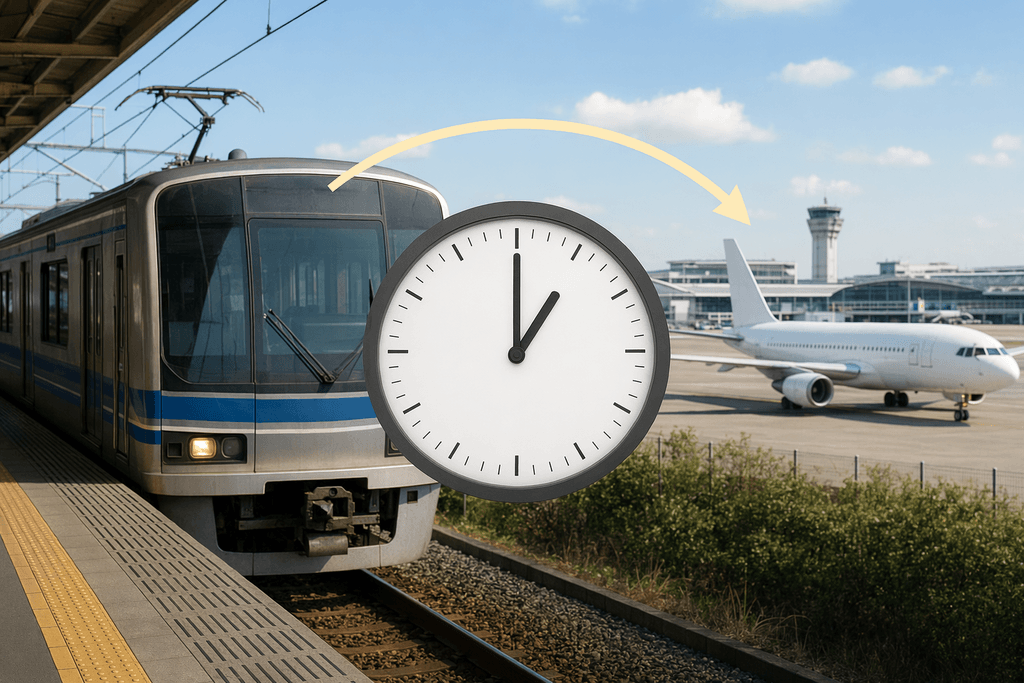
この店は駅から近く、( )値段も安いので、学生に人気があります。
Gợi ý
This shop is close to the station, and furthermore, its prices are low, so it is popular with students.
この店は駅から近く、( )値段も安いので、学生に人気があります。
さらに
この店は駅から近く、( )値段も安いので、学生に人気があります。
さらに
Giải thích
この店は駅から近く、( )値段も安いので、学生に人気があります。
さらに
「さらに」 adds another point or shows a further increase in degree. Here, it adds another advantage.
さらに+追加する内容・程度の変化
さらに
furthermore / again / more / in addition / additionally

電気をつけた( )寝てしまった。
Gợi ý
I fell asleep with the light still on.
電気をつけた( )寝てしまった。
まま
電気をつけた( )寝てしまった。
まま
Giải thích
電気をつけた( )寝てしまった。
まま
「まま」 shows that a state stays unchanged while another action happens. After the past form of a verb, it describes the state resulting from that action.
動詞た形・ない形+まま、名詞+のまま
まま
as it is / without change / just like

これは私の考え( )。
Gợi ý
This is no more than my opinion.
これは私の考え( )。
に過ぎない
これは私の考え( )。
に過ぎない
Giải thích
これは私の考え( )。
に過ぎない
「に過ぎない」 means merely
or no more than
. It emphasizes a limit in amount, degree, or importance.
名詞+に過ぎない。動詞普通形+に過ぎない
〜に過ぎない
no more than / merely / just / nothing more than

日本で働く( )、毎日日本語を勉強しています。
Gợi ý
I study Japanese every day in order to work in Japan.
日本で働く( )、毎日日本語を勉強しています。
ために
日本で働く( )、毎日日本語を勉強しています。
ために
Giải thích
日本で働く( )、毎日日本語を勉強しています。
ために
「ために」 expresses the purpose of an action. The goal comes before it, and the action taken to reach that goal comes after it.
意志動詞の辞書形/名詞+の+ために
~ために
for the purpose of; in order to

新しい仕事を始める( )、毎朝早く起きる練習をしています。
Gợi ý
Intending to start a new job, I am practicing getting up early every morning.
新しい仕事を始める( )、毎朝早く起きる練習をしています。
つもりで
新しい仕事を始める( )、毎朝早く起きる練習をしています。
つもりで
Giải thích
新しい仕事を始める( )、毎朝早く起きる練習をしています。
つもりで
「つもりで」 here means with the intention of doing something
. In other forms and contexts, it can also mean treating something as if it had already happened.
動詞辞書形・ない形+つもりで
〜つもりで
with the intention of / thinking/under the impression (that) / as if; assuming (that)

毎日練習すれば、日本語が少しずつ話せる( )。
Gợi ý
If you practice every day, you will gradually come to be able to speak Japanese.
毎日練習すれば、日本語が少しずつ話せる( )。
ようになる
毎日練習すれば、日本語が少しずつ話せる( )。
ようになる
Giải thích
毎日練習すれば、日本語が少しずつ話せる( )。
ようになる
「ようになる」 shows a change over time, such as becoming able to do something or starting to do it regularly.
動詞辞書形・ない形+ようになる
ようになる
to come to be; to become; to change into
Đang tải…

JLPT N3 文法・53項目 / JLPT N3 Grammar: 53 Points

Jonathan Waller 氏の JLPT Resources の文法リスト・レベル分類を出典とし、CC BY の条件に従って DiQt が問題・説明・訳を作成した53項目の文法問題集です。JLPT と同じ形式の、例文の空欄を4つの選択肢から埋める問題で学び、例文の訳はヒントに、意味・使い方と接続の形は解答後の解説に表示されます。JLPT公式の文法リストではありません。
This collection covers 53 grammar points based on the grammar list and level classifications in Jonathan Waller’s JLPT Resources under CC BY, with questions, explanations, and translations created by DiQt. Practice with JLPT-style sentence gap-fill questions with four answer choices, using sentence translations as hints and viewing explanations of meaning, usage, and connection forms after answering. It is not an official JLPT grammar list.
Phím tắt
Chọn câu hỏi đầu tiên:
Ctrl + Enter
Xem giải thích:Ctrl + G
Đóng phản hồi:Esc
Khi chọn câu hỏi
Trả lời:Enter
Chọn một lựa chọn:↓ hoặc ↑
Đọc câu hỏi thành tiếng:Ctrl + K
Xem gợi ý: Ctrl + M
Không biết: Ctrl + Y



