
JLPT N2 Vocabulary Meanings - පිළිතුරු දී නැත

Learn the English meanings of 1790 JLPT N2 words through questions with four answer choices.
-
dialect
-
getting out of bed
-
samurai
-
acquaintance
-
sea bathing
-
pun / witty joke
-
performing arts
-
turn on duty
-
punctuation marks
-
become cloudy
-
defeat / finish off
-
send word
-
sudden / makeshift
-
enormous
-
plain / unshowy
- 表記は「めちゃくちゃ」が一般的。「滅茶苦茶」は漢字表記。
- 連用形は用法により「めちゃくちゃで」(叙述接続)および「めちゃくちゃに」(副詞的)が用いられる。
-
man-made
-
humanities
-
urine
-
English text
-
turn on duty
-
writing
-
sewage / sewer
-
national holiday
-
house-sitting
-
temporary closure
-
display of ability
-
contest / winning and losing
-
muttering complaints
-
for now
-
at present
為替
exchange / money order
為替
exchange / money order
පැහැදිලි කිරීම
為替
exchange / money order
為替

( romanization )
( romanization )
( hiragana historical )
( hiragana )
クリーニング
laundry service
クリーニング
laundry service
පැහැදිලි කිරීම
laundry service
クリーニング
cleaning,dry cleaning,laundry service

( romanization )
交差
intersection
交差
intersection
පැහැදිලි කිරීම
交差
intersection
交差
crossing, intersection / (genetics) crossover
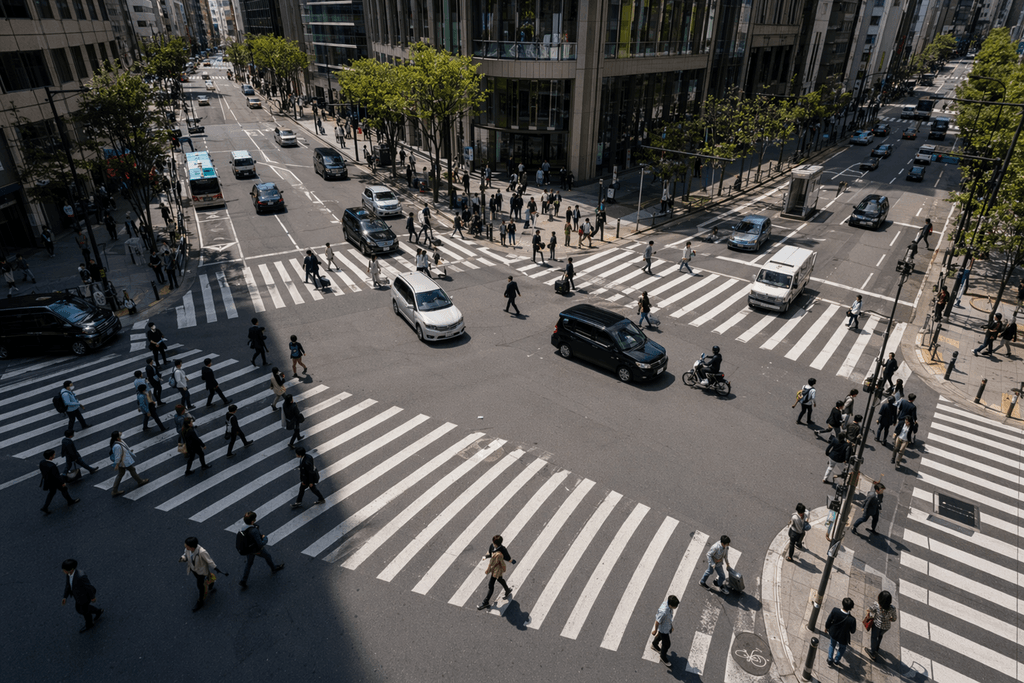
( මූලික රූපය )
( romanization )
( romanization )
( hiragana historical )
( hiragana )
兼ねる
combine roles / be unable to
兼ねる
combine roles / be unable to
පැහැදිලි කිරීම
兼ねる
combine roles / be unable to
兼ねる
serve as one thing and another at once

පද රූප
මෙම ක්රියා පදය සඳහා “මූලික රූප” හා “නිතර යෙදෙන රූප” මෙහි දැක්වේ.
මූලික රූප
| රූපය | පද රූපය | භාවිතය |
|---|---|---|
| අසිද්ධ රූපය (みぜんけい) | “ない”, “れる”, “せる” වැනි පද සමඟ එක් වන රූපයයි. | |
| සම්බන්ධක රූපය (れんようけい) | “ます”, “たい”, “た” වැනි පද සමඟ එක් වන රූපයයි. | |
| වාක්ය අවසාන රූපය (しゅうしけい) | වාක්යයක් අවසන් කිරීමට යෙදෙන ශබ්දකෝෂ රූපය (じしょけい) වේ. | |
| නාම විශේෂක රූපය (れんたいけい) | නාම පදයක් විස්තර කිරීමට යෙදෙන රූපයයි. | |
| කොන්දේසි රූපය (かていけい) | “ば” එක් කර කොන්දේසියක් දක්වන රූපයයි. | |
| විධාන රූපය (めいれいけい) |
වෙනත් ප්රකාශනය:
兼ねよ
|
අණක් හෝ උපදෙසක් දක්වන රූපයයි. |
නිතර යෙදෙන රූප
| රූපය | පද රූපය | භාවිතය |
|---|---|---|
| て රූපය | “〜て” මඟින් වාක්ය සම්බන්ධ කිරීමට යෙදේ. | |
| た රූපය | “〜た” මඟින් අතීතය දක්වයි. | |
| ない රූපය | “〜ない” මඟින් නිෂේධය දක්වයි. | |
| ます රූපය | ආචාරශීලී ප්රකාශනවල යෙදේ. | |
| ば රූපය | “〜ば” මඟින් කොන්දේසියක් දක්වයි. | |
| අභිප්රාය රූපය (いしけい) | “〜よう” මඟින් අභිප්රාය හෝ එක්ව යමක් කිරීමට ආරාධනයක් දක්වයි. |
めちゃくちゃ
absurd / chaotic
めちゃくちゃ
absurd / chaotic
පැහැදිලි කිරීම
absurd / chaotic
めちゃくちゃ
absurd, unreasonable, illogical / incoherent, disorderly, messy / reckless, excessive / ruined, destroyed

පද රූප
මෙම な නාම විශේෂණය සඳහා “මූලික රූප” හා “නිතර යෙදෙන රූප” මෙහි දැක්වේ.
මූලික රූප
| රූපය | පද රූපය | භාවිතය |
|---|---|---|
| අසිද්ධ රූපය (みぜんけい) |
වෙනත් ප්රකාශනය:
滅茶苦茶だろ
|
“〜だろう” වැනි රූපවල යෙදේ. |
| සම්බන්ධක රූපය (れんようけい) |
වෙනත් ප්රකාශනය:
滅茶苦茶で
めちゃくちゃに
滅茶苦茶に
|
“〜で”, “〜に” යන රූපවල යෙදේ. |
| වාක්ය අවසාන රූපය (しゅうしけい) |
වෙනත් ප්රකාශනය:
滅茶苦茶だ
|
“〜だ” මඟින් වාක්යයක් අවසන් කරන රූපයයි. |
| නාම විශේෂක රූපය (れんたいけい) |
වෙනත් ප්රකාශනය:
滅茶苦茶な
|
“〜な” මඟින් නාම පදයක් විස්තර කරන රූපයයි. |
| කොන්දේසි රූපය (かていけい) |
වෙනත් ප්රකාශනය:
滅茶苦茶なら
|
“〜なら” මඟින් කොන්දේසියක් දක්වන රූපයයි. |
| විධාන රූපය (めいれいけい) |
වෙනත් ප්රකාශනය:
滅茶苦茶であれ
|
“〜であれ” වැනි විධිමත් ප්රකාශනවල යෙදේ. |
නිතර යෙදෙන රූප
| රූපය | පද රූපය | භාවිතය |
|---|---|---|
| て රූපයට සමාන රූපය |
වෙනත් ප්රකාශනය:
滅茶苦茶で
|
“〜で” රූපය යොදා වාක්ය සම්බන්ධ කරයි. |
| た රූපය |
වෙනත් ප්රකාශනය:
滅茶苦茶だった
|
“〜だった” මඟින් අතීතය දක්වයි. |
| ない රූපය |
වෙනත් ප්රකාශනය:
滅茶苦茶ではない
めちゃくちゃじゃない
滅茶苦茶じゃない
|
“〜ではない / 〜じゃない” මඟින් නිෂේධය දක්වයි. |
| です රූපය |
වෙනත් ප්රකාශනය:
滅茶苦茶です
|
ආචාරශීලී ප්රකාශනවල යෙදේ. |
අමතර සටහන්
東西
east and west
東西
east and west
පැහැදිලි කිරීම
東西
east and west
東西
east and west / the Orient and the Occident / across east and west; throughout; far and wide

( මූලික රූපය )
( romanization )
( hiragana )
可決
passage of a bill
可決
passage of a bill
පැහැදිලි කිරීම
可決
passage of a bill
可決

( මූලික රූපය )
( romanization )
( stem )
( අතීත රූපය )
( table-tags )
( inflection-template )
( imperfective stem )
( imperfective stem )
( imperfective )
( continuative stem )
( continuative stem )
( continuative )
( stem terminative )
( stem terminative )
( terminative )
( attributive stem )
( attributive stem )
( attributive )
( hypothetical stem )
( hypothetical stem )
( hypothetical )
( විධාන විධිය literary stem )
( colloquial විධාන විධිය stem )
( විධාන විධිය literary stem )
( colloquial විධාන විධිය stem )
( විධාන විධිය literary )
( colloquial විධාන විධිය )
( කර්ම කාරකය )
( කර්ම කාරකය )
( කර්ම කාරකය )
( causative )
( causative )
( causative )
( causative )
( causative )
( causative )
( potential )
( potential )
( potential )
( volitional )
( volitional )
( volitional )
( negative )
( negative )
( negative )
( continuative negative )
( continuative negative )
( continuative negative )
( formal )
( formal )
( formal )
( perfective )
( perfective )
( perfective )
( conjunctive )
( conjunctive )
( conjunctive )
( කොන්දේසි විධිය hypothetical )
( කොන්දේසි විධිය hypothetical )
( කොන්දේසි විධිය hypothetical )
落第
exam failure / failing a grade
落第
exam failure / failing a grade
පැහැදිලි කිරීම
落第
exam failure / failing a grade
落第
failure (in an examination) / failure (to advance to the next grade or graduate from school)

( මූලික රූපය )
( romanization )
( hiragana )
うどん
udon noodles
うどん
udon noodles
පැහැදිලි කිරීම
udon noodles
うどん

( romanization )
いきなり
suddenly
いきなり
suddenly
පැහැදිලි කිරීම
suddenly
いきなり

( romanization )
පූරණය වෙමින්…

JLPT N2 多言語単語帳・1790語 / JLPT N2 Multilingual Vocabulary: 1790 Words

Jonathan Waller 氏の JLPT Resources の語彙リスト・レベル分類を出典とし、CC BY の条件に従って DiQt が学習者向けに意味を作り直した1790語の単語帳です。JLPT公式の語彙リストではありません。
This collection of 1790 words is based on the vocabulary list and level classifications in Jonathan Waller’s JLPT Resources under CC BY, with meanings rewritten by DiQt for learners. It is not an official JLPT vocabulary list.
යතුරුපුවරු කෙටිමං
පළමු ප්රශ්නය තේරීම:
Ctrl + Enter
පැහැදිලි කිරීම බලන්න:Ctrl + G
ප්රතිචාරය වැසීම:Esc
ප්රශ්නයක් තේරීමේදී
පිළිතුරු දෙන්න:Enter
විකල්පයක් තේරීම:↓ හෝ ↑
ප්රශ්නය හඬින් කියවීම:Ctrl + K
ඉඟිය බලන්න: Ctrl + M
දන්නේ නැහැ: Ctrl + Y



