
JLPT N4 Grammar: Four-Choice Sentence Completion - පිළිතුරු දී නැත

Practice 49 JLPT N4 grammar points by choosing one of four answers to complete each sentence, with translations as hints and explanations and connection patterns after answering.
-
ほしがっています
-
ほしいそうです
-
ほしそうです
- 一般に仮名書きされることが多く、漢字表記は「欲しい」。
- 「V-てほしい」の形で、相手・第三者にその動作をしてもらいたい意を表す。
-
てありますか
-
たことがありますか
-
てすみません
-
借りにくい
-
借りなさい
-
借りやすい
- 現代語の意志・勧誘を表す助動詞。学校文法では「う」「よう」を関連する助動詞として扱う。
- 活用は終止形・連体形のみが一般的で、未然形・連用形・仮定形・命令形は欠けるため primary を null とした。
-
降るかどうか
-
降るのに
-
降りながら
-
降るつもりで
-
降りたがって
-
降るかどうか
-
すぎます
-
なさい
-
ましょう
-
にする
-
になる
-
がある
-
たがります
-
に行きます
-
すぎます
- 動詞の連用形に付いて「〜するのが難しい・しづらい」の意を表す補助用言。
- 活用は形容詞型。命令形「~にくかれ」は現代語ではまれ。
-
がある
-
がほしい
-
になる
-
てある
-
てすみません
-
たことがある
私は新しい自転車が( )。
ほしいです
私は新しい自転車が( )。
ほしいです
පැහැදිලි කිරීම
私は新しい自転車が( )。
ほしいです
Use a noun followed by 「がほしい」 to say that you want something. It usually describes your own wish, or asks about the listener's wish.
名詞+が+ほしい
ほしい
wanted, desired, needed / (after a -て verb form) wanted or desirable that someone perform the verb

පද රූප
මෙම නාම විශේෂණය සඳහා “මූලික රූප” හා “නිතර යෙදෙන රූප” මෙහි දැක්වේ.
මූලික රූප
| රූපය | පද රූපය | භාවිතය |
|---|---|---|
| අසිද්ධ රූපය (みぜんけい) |
වෙනත් ප්රකාශනය:
ほしから
|
“〜かろう” වැනි ප්රකාශනවල යෙදෙන රූපයකි (සාහිත්යමය). |
| සම්බන්ධක රූපය (れんようけい) |
වෙනත් ප්රකාශනය:
ほしかっ
|
“〜くて”, “〜くない” වැනි ප්රකාශනවල යෙදෙන රූපයයි. |
| වාක්ය අවසාන රූපය (しゅうしけい) | වාක්යයක් අවසන් කිරීමට යෙදෙන රූපයයි. | |
| නාම විශේෂක රූපය (れんたいけい) | නාම පදයක් විස්තර කිරීමට යෙදෙන රූපයයි. | |
| කොන්දේසි රූපය (かていけい) | “〜ければ” මඟින් කොන්දේසියක් දක්වන රූපයයි. | |
| විධාන රූපය (めいれいけい) | නූතන භාෂාවේ කලාතුරකින් යෙදෙන රූපයකි. |
නිතර යෙදෙන රූප
| රූපය | පද රූපය | භාවිතය |
|---|---|---|
| て රූපය | “〜くて” මඟින් වාක්ය සම්බන්ධ කිරීමට යෙදේ. | |
| た රූපය | “〜かった” මඟින් අතීතය දක්වයි. | |
| ない රූපය | “〜くない” මඟින් නිෂේධය දක්වයි. | |
| ば රූපය | “〜ければ” මඟින් කොන්දේසියක් දක්වයි. |
අමතර සටහන්
明日、駅まで案内し( )。
ඉඟිය බලන්න
Could you please guide me to the station tomorrow?
明日、駅まで案内し( )。
ていただけませんか
明日、駅まで案内し( )。
ていただけませんか
පැහැදිලි කිරීම
明日、駅まで案内し( )。
ていただけませんか
「ていただけませんか」 is a very polite request meaning Could you please do this for me?
Add 「いただけませんか」 to a verb's 「て」 form.
動詞て形+いただけませんか
~ていただけませんか
Could you please do something for me? (polite form)
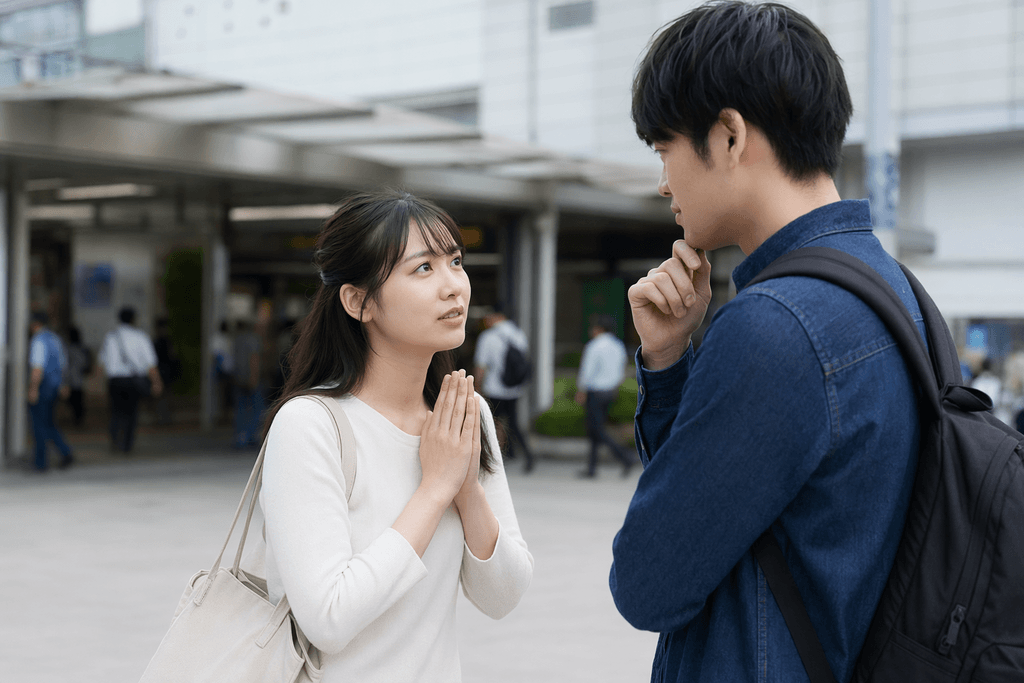
友だちを誘って「明日、一緒に図書館で本を( )」と言いました。
ඉඟිය බලන්න
I invited my friend, saying, “Let's borrow a book at the library together tomorrow.”
友だちを誘って「明日、一緒に図書館で本を( )」と言いました。
借りよう
友だちを誘って「明日、一緒に図書館で本を( )」と言いました。
借りよう
පැහැදිලි කිරීම
友だちを誘って「明日、一緒に図書館で本を( )」と言いました。
借りよう
「う」 and 「よう」 make the volitional form, which expresses a decision or a casual invitation, such as I'll do it
or let's do it
. For an ichidan verb, replace the final 「る」 with 「よう」, as in 「借りよう」.
一段動詞の語幹+よう(意向形)
~う
Expressing one's will to do something. / Inducing or stimulating other person to do something. / (followed by とする (to suru)) to try to do; to attempt to do

පද රූප
මෙම සහායක ක්රියා පදය සඳහා “මූලික රූප” හා “නිතර යෙදෙන රූප” මෙහි දැක්වේ.
මූලික රූප
| රූපය | පද රූපය | භාවිතය |
|---|---|---|
| අසිද්ධ රූපය (みぜんけい) | මෙම පදය සඳහා සාමාන්යයෙන් මෙම රූපය යෙදෙන්නේ නැත. | භාවිත කළ හැකි රූප සහායක ක්රියා පදය අනුව වෙනස් වේ. |
| සම්බන්ධක රූපය (れんようけい) | මෙම පදය සඳහා සාමාන්යයෙන් මෙම රූපය යෙදෙන්නේ නැත. | භාවිත කළ හැකි රූප සහායක ක්රියා පදය අනුව වෙනස් වේ. |
| වාක්ය අවසාන රූපය (しゅうしけい) |
වෙනත් ප්රකාශනය:
よう
|
ව්යාකරණ කාර්යයක් ඉටු කරන මූලික රූපයයි. |
| නාම විශේෂක රූපය (れんたいけい) |
වෙනත් ප්රකාශනය:
よう
|
පෙර හා පසු පද සමඟ ඇති සම්බන්ධය අනුව භාවිතය වෙනස් වේ. |
| කොන්දේසි රූපය (かていけい) | මෙම පදය සඳහා සාමාන්යයෙන් මෙම රූපය යෙදෙන්නේ නැත. | කොන්දේසි දක්වන ප්රකාශනවල යෙදේ. |
| විධාන රූපය (めいれいけい) | මෙම පදය සඳහා සාමාන්යයෙන් මෙම රූපය යෙදෙන්නේ නැත. | සමහර පදවල මෙම රූපය නැත. |
නිතර යෙදෙන රූප
| රූපය | පද රූපය | භාවිතය |
|---|---|---|
| මෙම වචනයේ පෙන්විය හැකි ව්යුත්පන්න රූප නැත. | ||
අමතර සටහන්
雨が( )、家にいます。
ඉඟිය බලන්න
If it rains, I will stay at home.
雨が( )、家にいます。
降ったら
雨が( )、家にいます。
降ったら
පැහැදිලි කිරීම
雨が( )、家にいます。
降ったら
「たら」 means if
or when
and states a condition or the time when something happens. Here, staying home depends on whether it rains.
動詞た形+ら/い形容詞の「い」を取る+かったら/名詞・な形容詞語幹+だったら
~たら
if; when; after (conditional/temporal clause marker)
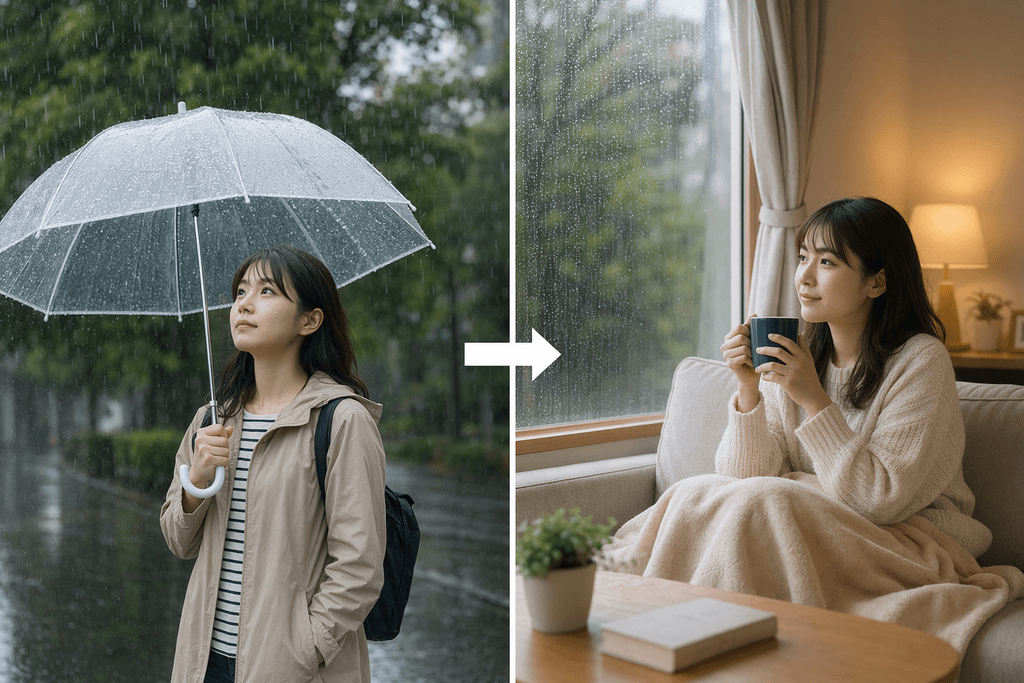
雨が( )、試合はあります。
ඉඟිය බලන්න
Even if it rains, the game will be held.
雨が( )、試合はあります。
降っても
雨が( )、試合はあります。
降っても
පැහැදිලි කිරීම
雨が( )、試合はあります。
降っても
「ても」 means even if
or even though
. It says that the result stays the same despite the condition.
動詞て形+も/い形容詞の「い」を取る+くても/名詞・な形容詞語幹+でも
~ても
Even if; even though

この辞書は字が大きくて、使い( )。
ඉඟිය බලන්න
This dictionary has large print and is easy to use.
この辞書は字が大きくて、使い( )。
やすいです
この辞書は字が大きくて、使い( )。
やすいです
පැහැදිලි කිරීම
この辞書は字が大きくて、使い( )。
やすいです
「やすい」 means easy to do
. Add it to the part of a verb's polite form before 「ます」.
動詞ます形の語幹+やすい
~やすい

友だちに太郎( )名前の人を紹介してもらいました。
ඉඟිය බලන්න
My friend introduced me to a person named Taro.
友だちに太郎( )名前の人を紹介してもらいました。
という
友だちに太郎( )名前の人を紹介してもらいました。
という
පැහැදිලි කිරීම
友だちに太郎( )名前の人を紹介してもらいました。
という
「という」 links a name to a noun to introduce what someone or something is called. Here, it tells us that the person is named Taro.
名前・名称+という+名詞
~という~
referred to as / called / known as

このペンは細くて字が書き( )。
ඉඟිය බලන්න
This pen is thin, so it's hard to write with.
このペンは細くて字が書き( )。
にくいです
このペンは細くて字が書き( )。
にくいです
පැහැදිලි කිරීම
このペンは細くて字が書き( )。
にくいです
「にくい」 means that an action is difficult to do. It attaches to the verb stem; here, the thin pen makes writing difficult.
動詞ます形の語幹+にくい
~にくい
hard/difficult to (do) / awkward to (do) / uncomfortable to (do)

පද රූප
මෙම සහායක ක්රියා පදය සඳහා “මූලික රූප” හා “නිතර යෙදෙන රූප” මෙහි දැක්වේ.
මූලික රූප
| රූපය | පද රූපය | භාවිතය |
|---|---|---|
| අසිද්ධ රූපය (みぜんけい) | භාවිත කළ හැකි රූප සහායක ක්රියා පදය අනුව වෙනස් වේ. | |
| සම්බන්ධක රූපය (れんようけい) |
වෙනත් ප්රකාශනය:
~にくかっ
|
භාවිත කළ හැකි රූප සහායක ක්රියා පදය අනුව වෙනස් වේ. |
| වාක්ය අවසාන රූපය (しゅうしけい) | ව්යාකරණ කාර්යයක් ඉටු කරන මූලික රූපයයි. | |
| නාම විශේෂක රූපය (れんたいけい) | පෙර හා පසු පද සමඟ ඇති සම්බන්ධය අනුව භාවිතය වෙනස් වේ. | |
| කොන්දේසි රූපය (かていけい) | කොන්දේසි දක්වන ප්රකාශනවල යෙදේ. | |
| විධාන රූපය (めいれいけい) | සමහර පදවල මෙම රූපය නැත. |
නිතර යෙදෙන රූප
| රූපය | පද රූපය | භාවිතය |
|---|---|---|
| て රූපයට සමාන රූපය | සමහර පද සඳහා භාවිත කළ හැකිය. | |
| た රූපයට සමාන රූපය | පදය අනුව අතීතය හෝ ක්රියාව අවසන් වූ බව දැක්වීමට යෙදේ. | |
| ない රූපයට සමාන රූපය | පදය අනුව නිෂේධය දැක්වීමට යෙදේ. | |
| ば රූපයට සමාන රූපය | කොන්දේසි දක්වන ප්රකාශනවල යෙදිය හැකිය. |
අමතර සටහන්
彼女は母( )優しい声で話します。
ඉඟිය බලන්න
She speaks in a gentle voice like a mother’s.
彼女は母( )優しい声で話します。
のような
彼女は母( )優しい声で話します。
のような
පැහැදිලි කිරීම
彼女は母( )優しい声で話します。
のような
「のような」 modifies a noun to show similarity to another person or thing. Here, the gentle voice is compared to a mother’s voice.
名詞+のような+名詞
~のような
like; similar to; such as
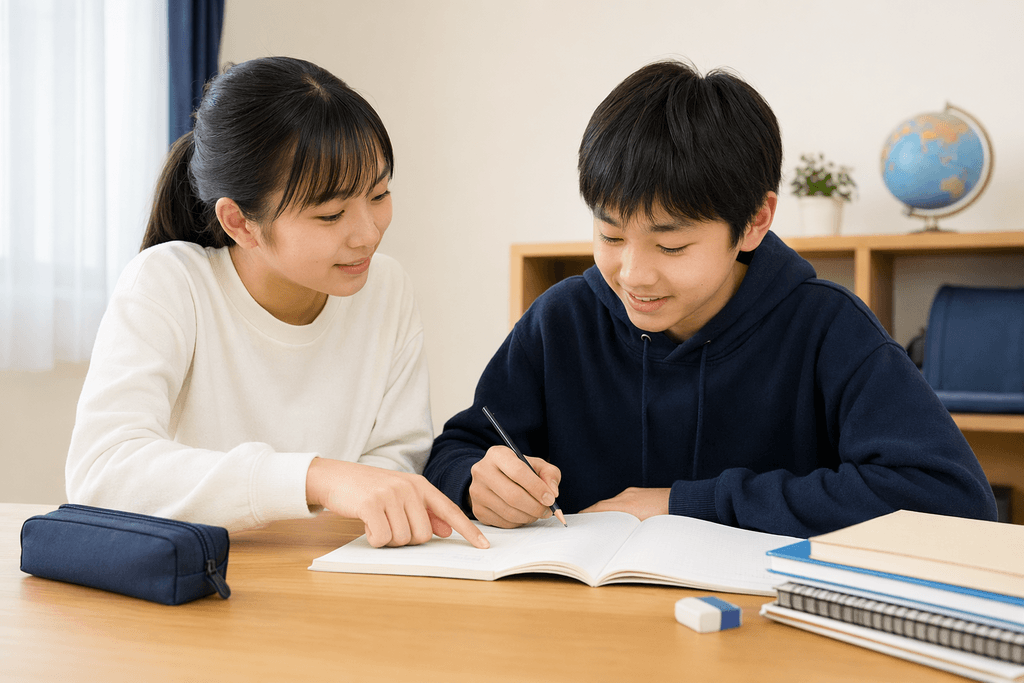
姉はいつも日本語の勉強を手伝っ( )。
ඉඟිය බලන්න
My older sister always helps me study Japanese.
姉はいつも日本語の勉強を手伝っ( )。
てくれる
姉はいつも日本語の勉強を手伝っ( )。
てくれる
පැහැදිලි කිරීම
姉はいつも日本語の勉強を手伝っ( )。
てくれる
「てくれる」 means someone does something for me or someone close to me
. Add 「くれる」 to a verb's 「て」 form; the subject is the person doing the favor.
動詞て形+くれる
~てくれる
Expresses the meaning that someone does something for me. / Expresses a request or desire for the other person to do something.
පූරණය වෙමින්…

JLPT N4 文法・49項目 / JLPT N4 Grammar: 49 Points

Jonathan Waller 氏の JLPT Resources の文法リスト・レベル分類を出典とし、CC BY の条件に従って DiQt が問題・説明・訳を作った49項目の文法問題集です。JLPT と同じ形式の例文の穴埋め4択で学び、例文の訳はヒントに、文法の説明と接続の形は解答後の解説に表示されます。JLPT公式の文法リストではありません。
This collection of 49 grammar points is based on the grammar list and level classifications in Jonathan Waller’s JLPT Resources under CC BY, with questions, explanations, and translations created by DiQt. Learn through four-choice sentence completion questions in the same format as the JLPT, with sentence translations as hints and grammar explanations and connection patterns shown after answering. It is not an official JLPT grammar list.
යතුරුපුවරු කෙටිමං
පළමු ප්රශ්නය තේරීම:
Ctrl + Enter
පැහැදිලි කිරීම බලන්න:Ctrl + G
ප්රතිචාරය වැසීම:Esc
ප්රශ්නයක් තේරීමේදී
පිළිතුරු දෙන්න:Enter
විකල්පයක් තේරීම:↓ හෝ ↑
ප්රශ්නය හඬින් කියවීම:Ctrl + K
ඉඟිය බලන්න: Ctrl + M
දන්නේ නැහැ: Ctrl + Y



