
JLPT N2 Vocabulary Meanings - 미응답

Learn the English meanings of 1790 JLPT N2 words through questions with four answer choices.
-
parent's older sister
-
plaza
-
king
-
lifespan
-
housekeeper
-
passage of a bill
-
school class
-
reduction in size
-
opening to traffic
-
outdoors
-
soap
-
basics / foundation
-
jump
-
be left over
-
belong to
- 「量る(はかる)」は五段活用(ラ行)の動詞です。
-
jump into
-
cool something down
-
breed / build up wealth
-
pardon / refusal
-
merging / confluence
-
carelessness
-
soldier
-
second helping
-
Buddhist temple
-
fisherman
-
children
-
appearance
-
veteran
-
band / belt
-
plain
座布団
floor cushion
座布団
floor cushion
해설
座布団
floor cushion
座布団

( 기본형 )
( romanization )
( hiragana )
先端
tip
先端
tip
해설
先端
tip
先端

( 기본형 )
( romanization )
( hiragana )
五十音
Japanese syllabary
五十音
Japanese syllabary
해설
五十音
Japanese syllabary
五十音
(phonology, orthography, grammar) all Japanese morae that can be spelled with 45 single modern kana and 2 historical kana (ゐ/ヰ and ゑ/ヱ) customarily without diacritical marks (゛ and ゜), excluding っ and ん, arranged in a 5x10 table (五十音図 (gojūonzu, literally “table of the fifty sounds”)), used for phonological and grammatical analysis

( 기본형 )
( romanization )
( romanization )
( hiragana historical )
( hiragana )
表紙
book cover
表紙
book cover
해설
表紙
book cover
表紙

( romanization )
( hiragana )
量る
weigh / measure volume
量る
weigh / measure volume
해설
量る
weigh / measure volume
量る

활용형
이 동사의 "기본 형태"와 "자주 쓰는 형태"를 모았어요.
기본 형태
| 형태 | 단어 형태 | 쓰임 |
|---|---|---|
| 미연형(みぜんけい) |
다른 표현:
量ろ
|
"ない", "れる", "せる" 등이 이어지는 형태예요. |
| 연용형(れんようけい) | "ます", "たい", "た" 등이 이어지는 형태예요. | |
| 종지형(しゅうしけい) | 문장을 끝맺는 사전형(じしょけい)이에요. | |
| 연체형(れんたいけい) | 명사를 수식할 때 쓰는 형태예요. | |
| 가정형(かていけい) | "ば"를 붙여 조건을 나타내는 형태예요. | |
| 명령형(めいれいけい) | 명령이나 지시를 나타내는 형태예요. |
자주 쓰는 형태
| 형태 | 단어 형태 | 쓰임 |
|---|---|---|
| て형 | "~て"로 문장을 연결할 때 써요. | |
| た형 | 과거(~た)를 나타내요. | |
| ない형 | 부정(~ない)을 나타내요. | |
| ます형 | 정중하게 말할 때 써요. | |
| ば형 | 조건(~ば)을 나타내요. | |
| 의지형(いしけい) | 의지나 권유(~よう)를 나타내요. |
참고
しゃがむ
squat down
しゃがむ
squat down
해설
squat down
しゃがむ

활용형
이 동사의 "기본 형태"와 "자주 쓰는 형태"를 모았어요.
기본 형태
| 형태 | 단어 형태 | 쓰임 |
|---|---|---|
| 미연형(みぜんけい) |
다른 표현:
しゃがも
|
"ない", "れる", "せる" 등이 이어지는 형태예요. |
| 연용형(れんようけい) | "ます", "たい", "た" 등이 이어지는 형태예요. | |
| 종지형(しゅうしけい) | 문장을 끝맺는 사전형(じしょけい)이에요. | |
| 연체형(れんたいけい) | 명사를 수식할 때 쓰는 형태예요. | |
| 가정형(かていけい) | "ば"를 붙여 조건을 나타내는 형태예요. | |
| 명령형(めいれいけい) | 명령이나 지시를 나타내는 형태예요. |
자주 쓰는 형태
夜行
night travel / night train
夜行
night travel / night train
해설
夜行
night travel / night train
夜行
travelling by night / Clipping of 夜行列車 (yakō ressha).

( 기본형 )
( romanization )
( hiragana )
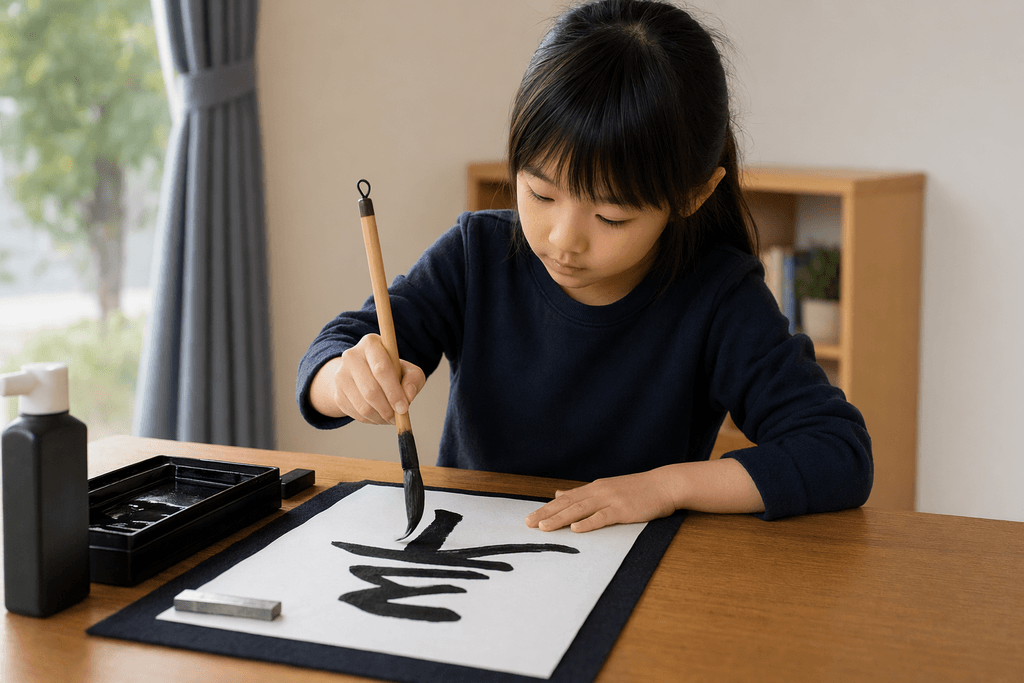
習字
handwriting practice
習字
handwriting practice
해설
習字
handwriting practice
習字
( 기본형 )
( romanization )
( hiragana )
伯母さん
parent's older sister
伯母さん
parent's older sister
해설
伯母さん
parent's older sister
伯母さん

( 기본형 )
( romanization )
( romanization )
( hiragana historical )
仮名
kana script
仮名
kana script
해설
仮名
kana script
仮名
a category of Japanese syllabary scripts: kana / a syllabogram, an individual character belonging to one of the syllabaries: kana / a temporary name, an alias

( 기본형 )
( romanization )
( kyūjitai )
( hiragana )
불러오는 중…

JLPT N2 多言語単語帳・1790語 / JLPT N2 Multilingual Vocabulary: 1790 Words

Jonathan Waller 氏の JLPT Resources の語彙リスト・レベル分類を出典とし、CC BY の条件に従って DiQt が学習者向けに意味を作り直した1790語の単語帳です。JLPT公式の語彙リストではありません。
This collection of 1790 words is based on the vocabulary list and level classifications in Jonathan Waller’s JLPT Resources under CC BY, with meanings rewritten by DiQt for learners. It is not an official JLPT vocabulary list.
키보드 조작
첫 문제 선택:
Ctrl + Enter
해설 보기:Ctrl + G
피드백 닫기:Esc
문제 선택 시
답 제출:Enter
선택지 선택:↓ 또는 ↑
문제 읽어 주기:Ctrl + K
힌트 표시: Ctrl + M
모르겠어요: Ctrl + Y



