
JLPT N2 词义四选一 - 미응답

通过四选一题目,用简体中文学习JLPT N2的1790个单词含义。
-
弹簧
-
葬礼
-
同等地位 / 同位语
-
实物
-
拉链
-
外壳 / 谷壳
-
祖先
-
养分
-
活动
-
睡衣
-
扣除 / 余额
-
打嗝
-
巡回 / 围绕
-
升起 / 油炸
-
挪近 / 聚集
-
柔软
-
耀眼
-
极其严重的
-
我先走一步
-
多谢款待
-
没办法
-
实用
-
榻榻米房间
-
分数
-
动作 / 运转
-
后面
-
灯塔
加速
加速
加速
加速
해설
加速
加速

勝負
比赛 / 胜负
勝負
比赛 / 胜负
해설
勝負
比赛 / 胜负
勝負

( 기본형 )
( romanization )
( stem )
( 과거형 )
( table-tags )
( inflection-template )
( imperfective stem )
( imperfective stem )
( imperfective )
( continuative stem )
( continuative stem )
( continuative )
( stem terminative )
( stem terminative )
( terminative )
( attributive stem )
( attributive stem )
( attributive )
( hypothetical stem )
( hypothetical stem )
( hypothetical )
( 명령법 literary stem )
( colloquial 명령법 stem )
( 명령법 literary stem )
( colloquial 명령법 stem )
( 명령법 literary )
( colloquial 명령법 )
( 수동태 )
( 수동태 )
( 수동태 )
( causative )
( causative )
( causative )
( causative )
( causative )
( causative )
( potential )
( potential )
( potential )
( volitional )
( volitional )
( volitional )
( negative )
( negative )
( negative )
( continuative negative )
( continuative negative )
( continuative negative )
( formal )
( formal )
( formal )
( perfective )
( perfective )
( perfective )
( conjunctive )
( conjunctive )
( conjunctive )
( 조건법 hypothetical )
( 조건법 hypothetical )
( 조건법 hypothetical )
通知
通知
通知
通知
해설
通知
通知
通知

( 기본형 )
( romanization )
( stem )
( 과거형 )
( table-tags )
( inflection-template )
( imperfective stem )
( imperfective stem )
( imperfective )
( continuative stem )
( continuative stem )
( continuative )
( stem terminative )
( stem terminative )
( terminative )
( attributive stem )
( attributive stem )
( attributive )
( hypothetical stem )
( hypothetical stem )
( hypothetical )
( 명령법 literary stem )
( colloquial 명령법 stem )
( 명령법 literary stem )
( colloquial 명령법 stem )
( 명령법 literary )
( colloquial 명령법 )
( 수동태 )
( 수동태 )
( 수동태 )
( causative )
( causative )
( causative )
( causative )
( causative )
( causative )
( potential )
( potential )
( potential )
( volitional )
( volitional )
( volitional )
( negative )
( negative )
( negative )
( continuative negative )
( continuative negative )
( continuative negative )
( formal )
( formal )
( formal )
( perfective )
( perfective )
( perfective )
( conjunctive )
( conjunctive )
( conjunctive )
( 조건법 hypothetical )
( 조건법 hypothetical )
( 조건법 hypothetical )
感激
感动
感激
感动
해설
感激
感动
感激

( 기본형 )
( romanization )
( stem )
( 과거형 )
( table-tags )
( inflection-template )
( imperfective stem )
( imperfective stem )
( imperfective )
( continuative stem )
( continuative stem )
( continuative )
( stem terminative )
( stem terminative )
( terminative )
( attributive stem )
( attributive stem )
( attributive )
( hypothetical stem )
( hypothetical stem )
( hypothetical )
( 명령법 literary stem )
( colloquial 명령법 stem )
( 명령법 literary stem )
( colloquial 명령법 stem )
( 명령법 literary )
( colloquial 명령법 )
( 수동태 )
( 수동태 )
( 수동태 )
( causative )
( causative )
( causative )
( causative )
( causative )
( causative )
( potential )
( potential )
( potential )
( volitional )
( volitional )
( volitional )
( negative )
( negative )
( negative )
( continuative negative )
( continuative negative )
( continuative negative )
( formal )
( formal )
( formal )
( perfective )
( perfective )
( perfective )
( conjunctive )
( conjunctive )
( conjunctive )
( 조건법 hypothetical )
( 조건법 hypothetical )
( 조건법 hypothetical )
どく
让开
どく
让开
해설
让开
どく

활용형
이 동사의 "기본 형태"와 "자주 쓰는 형태"를 모았어요.
기본 형태
| 형태 | 단어 형태 | 쓰임 |
|---|---|---|
| 미연형(みぜんけい) |
다른 표현:
どこ
|
"ない", "れる", "せる" 등이 이어지는 형태예요. |
| 연용형(れんようけい) | "ます", "たい", "た" 등이 이어지는 형태예요. | |
| 종지형(しゅうしけい) | 문장을 끝맺는 사전형(じしょけい)이에요. | |
| 연체형(れんたいけい) | 명사를 수식할 때 쓰는 형태예요. | |
| 가정형(かていけい) | "ば"를 붙여 조건을 나타내는 형태예요. | |
| 명령형(めいれいけい) | 명령이나 지시를 나타내는 형태예요. |
자주 쓰는 형태
ありがたい
难得的 / 感激的
ありがたい
难得的 / 感激的
해설
难得的 / 感激的
ありがたい

활용형
이 형용사의 "기본 형태"와 "자주 쓰는 형태"를 모았어요.
기본 형태
| 형태 | 단어 형태 | 쓰임 |
|---|---|---|
| 미연형(みぜんけい) |
다른 표현:
有り難かろ
|
"~かろう" 등에 쓰는 문어적인 형태예요. |
| 연용형(れんようけい) |
다른 표현:
ありがたかっ
有り難く
有り難かっ
|
"~くて", "~くない" 등에 쓰는 형태예요. |
| 종지형(しゅうしけい) |
다른 표현:
有り難い
|
문장을 끝맺을 때 쓰는 형태예요. |
| 연체형(れんたいけい) |
다른 표현:
有り難い
|
명사를 수식할 때 쓰는 형태예요. |
| 가정형(かていけい) |
다른 표현:
有り難けれ
|
"~ければ"로 조건을 나타내는 형태예요. |
| 명령형(めいれいけい) |
다른 표현:
有り難かれ
|
현대 일본어에서는 잘 쓰지 않는 형태예요. |
자주 쓰는 형태
かしこまりました
好的
かしこまりました
好的
해설
好的
かしこまりました

( romanization )
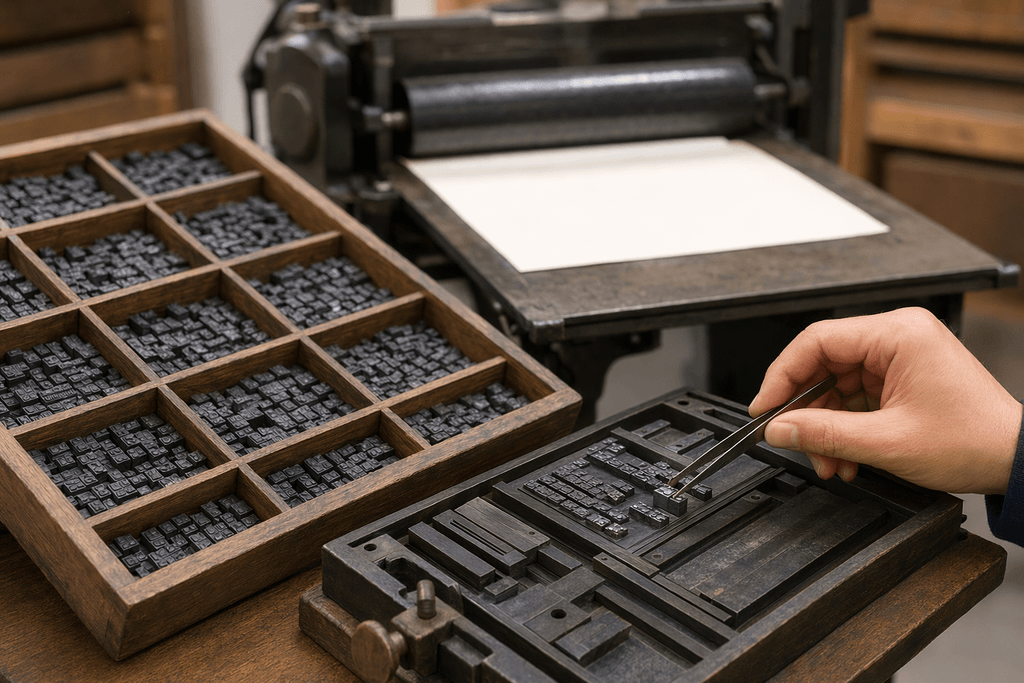
活字
铅字
活字
铅字
해설
活字
铅字
活字
( 기본형 )
( romanization )
( romanization )
( hiragana historical )
( hiragana )
アクセント
重音
アクセント
重音
해설

手洗い
洗手 / 洗手间
手洗い
洗手 / 洗手间
해설
手洗い
洗手 / 洗手间
手洗い

( 기본형 )
( romanization )
( romanization )
( hiragana historical )
불러오는 중…

JLPT N2 多言語単語帳・1790語 / JLPT N2 Multilingual Vocabulary: 1790 Words

Jonathan Waller 氏の JLPT Resources の語彙リスト・レベル分類を出典とし、CC BY の条件に従って DiQt が学習者向けに意味を作り直した1790語の単語帳です。JLPT公式の語彙リストではありません。
This collection of 1790 words is based on the vocabulary list and level classifications in Jonathan Waller’s JLPT Resources under CC BY, with meanings rewritten by DiQt for learners. It is not an official JLPT vocabulary list.
키보드 조작
첫 문제 선택:
Ctrl + Enter
해설 보기:Ctrl + G
피드백 닫기:Esc
문제 선택 시
답 제출:Enter
선택지 선택:↓ 또는 ↑
문제 읽어 주기:Ctrl + K
힌트 표시: Ctrl + M
모르겠어요: Ctrl + Y



