
JLPT N4 Grammar: Four-Choice Sentence Completion - 미응답

Practice 49 JLPT N4 grammar points by choosing one of four answers to complete each sentence, with translations as hints and explanations and connection patterns after answering.
-
ておく
-
てみる
-
てあげる
-
てはいけない
-
たことがある
-
てすみません
-
あるのに
-
あっても
-
あると
-
のように
-
という
-
ほど
-
てあります
-
てはいけなかった
-
てすみません
-
話してくれます
-
話してあげます
-
話しておきます
-
かどうか
-
のに
-
なら
-
ことができる
-
のが上手だ
-
つもりだ
- 「~かもしれない」は「~かも知れない」とも表記する。
- 文末では推量・可能性を表す。
- 命令形は通常用いないため primary を null とする。
-
のが上手です
-
でおきます
-
つもりです
-
のが好きか
-
つもりか
-
のが上手か
机の上にメモが置い( )。
힌트
A note has been placed on the desk.
机の上にメモが置い( )。
てある
机の上にメモが置い( )。
てある
해설
机の上にメモが置い( )。
てある
「てある」 describes a state left by something someone did intentionally. It often shows that an object has already been placed or prepared.
他動詞て形+ある

明日の旅行のために、今夜かばんを準備し( )。
힌트
I will get my bag ready tonight for tomorrow's trip.
明日の旅行のために、今夜かばんを準備し( )。
ておく
明日の旅行のために、今夜かばんを準備し( )。
ておく
해설
明日の旅行のために、今夜かばんを準備し( )。
ておく
「ておく」 means do something in advance
to prepare for later. Add 「おく」 to a verb's 「て」 form; it can also mean doing something and leaving it that way.
動詞て形+おく
~ておく
to do something in preparation for something else / to do something and leave it in a certain state

時間が( )、一緒に映画を見に行きましょう。
힌트
If you have time, let's go see a movie together.
時間が( )、一緒に映画を見に行きましょう。
あれば
時間が( )、一緒に映画を見に行きましょう。
あれば
해설
時間が( )、一緒に映画を見に行きましょう。
あれば
「ば」 states a condition and means if
. Here, having time is the condition for going to see a movie together.
動詞ば形/い形容詞の「い」を取る+ければ/名詞・な形容詞語幹+であれば・なら

明日雨( )、家で映画を見ます。
힌트
If it rains tomorrow, I will watch a movie at home.
明日雨( )、家で映画を見ます。
なら
明日雨( )、家で映画を見ます。
なら
해설
明日雨( )、家で映画を見ます。
なら
「なら」 introduces a condition, meaning if that is the case
. It follows a noun or a plain-form clause, with the final 「だ」 omitted after nouns and 「な」 adjectives.
名詞・普通形+なら(名詞・な形容詞のだは省く)
〜なら
if (conj) / provided that (conj) / assuming (conj) / in case (conj) / if it is the case that (conj) / if that is the case (conj)
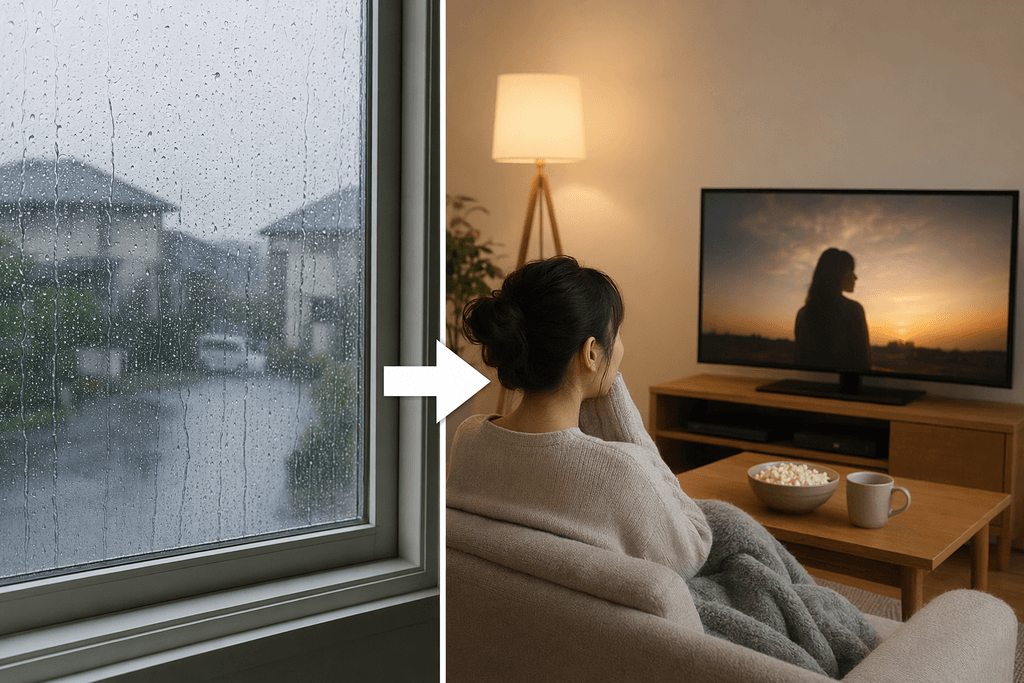
電車に間に合っ( )。
힌트
I'm really glad I made it to the train in time.
電車に間に合っ( )。
てよかった
電車に間に合っ( )。
てよかった
해설
電車に間に合っ( )。
てよかった
「てよかった」 means I am glad that
and expresses happiness or relief about something that actually happened. Unlike a wish about the past, it says that the real outcome was good.
動詞て形+よかった

私はまだ日本語が話せないので、あなたに先生のように上手に日本語を( )。
힌트
I cannot speak Japanese yet, so I want you to speak Japanese well, like the teacher.
私はまだ日本語が話せないので、あなたに先生のように上手に日本語を( )。
話してほしいです
私はまだ日本語が話せないので、あなたに先生のように上手に日本語を( )。
話してほしいです
해설
私はまだ日本語が話せないので、あなたに先生のように上手に日本語を( )。
話してほしいです
「のように~てほしい」 expresses a wish for someone else to act like a particular model or in a particular way. State the model first, then the action you want the other person to do.
名詞+のように+動詞て形+ほしい
~のように~てほしい
An expression used to convey a request/appeal of the form “I want (someone) to do ~” in accordance with (an example or a goal). It’s used when you specify a concrete method or state and want them to act exactly that way.
窓を開ける( )、冷たい風が入ってきました。
힌트
When I opened the window, a cold wind came in.
窓を開ける( )、冷たい風が入ってきました。
と
窓を開ける( )、冷たい風が入ってきました。
と
해설
窓を開ける( )、冷たい風が入ってきました。
と
「と」 after a verb's dictionary form means when
and links an action to what happens right after it. Here, it describes what happened when the window was opened.
動詞辞書形+と

明日は雨が降る( )。
かもしれない
明日は雨が降る( )。
かもしれない
해설
明日は雨が降る( )。
かもしれない
「かもしれない」 means may
or might
and expresses an uncertain possibility. It follows a plain form, without the final 「だ」 after nouns and 「な」 adjectives.
普通形+かもしれない(名詞・な形容詞のだは省く)
~かもしれない

활용형
이 조동사의 "기본 형태"와 "자주 쓰는 형태"를 모았어요.
기본 형태
| 형태 | 단어 형태 | 쓰임 |
|---|---|---|
| 미연형(みぜんけい) |
다른 표현:
~かも知れなかろ
|
조동사마다 쓸 수 있는 형태가 달라요. |
| 연용형(れんようけい) |
다른 표현:
~かもしれなかっ
~かも知れなく
~かも知れなかっ
|
조동사마다 쓸 수 있는 형태가 달라요. |
| 종지형(しゅうしけい) |
다른 표현:
~かも知れない
|
문법적 기능을 가진 기본 형태예요. |
| 연체형(れんたいけい) |
다른 표현:
~かも知れない
|
앞뒤 단어와의 연결에 따라 구분해서 써요. |
| 가정형(かていけい) |
다른 표현:
~かも知れなけれ
|
조건을 나타내는 표현에 관여할 때 써요. |
| 명령형(めいれいけい) | 이 단어에는 보통 이 형태를 쓰지 않아요. | 단어에 따라 이 형태가 없을 수도 있어요. |
자주 쓰는 형태
| 형태 | 단어 형태 | 쓰임 |
|---|---|---|
| 이 단어에는 표시할 수 있는 파생형이 없어요. | ||
참고
明日、雨が降らない( )。
といいです
明日、雨が降らない( )。
といいです
해설
明日、雨が降らない( )。
といいです
「といいです」 means I hope
and expresses a hope that something will happen or be true. After a negative form, it expresses a hope that something will not happen.
普通形+といいです

明日雨が降る( )、天気予報で確認しました。
힌트
I checked the weather forecast to see whether or not it will rain tomorrow.
明日雨が降る( )、天気予報で確認しました。
かどうか
明日雨が降る( )、天気予報で確認しました。
かどうか
해설
明日雨が降る( )、天気予報で確認しました。
かどうか
「かどうか」 means whether or not
. It puts a question with a yes-or-no answer inside a larger sentence.
普通形+かどうか(名詞・な形容詞の現在肯定はだを付けない)

불러오는 중…

JLPT N4 文法・49項目 / JLPT N4 Grammar: 49 Points

Jonathan Waller 氏の JLPT Resources の文法リスト・レベル分類を出典とし、CC BY の条件に従って DiQt が問題・説明・訳を作った49項目の文法問題集です。JLPT と同じ形式の例文の穴埋め4択で学び、例文の訳はヒントに、文法の説明と接続の形は解答後の解説に表示されます。JLPT公式の文法リストではありません。
This collection of 49 grammar points is based on the grammar list and level classifications in Jonathan Waller’s JLPT Resources under CC BY, with questions, explanations, and translations created by DiQt. Learn through four-choice sentence completion questions in the same format as the JLPT, with sentence translations as hints and grammar explanations and connection patterns shown after answering. It is not an official JLPT grammar list.
키보드 조작
첫 문제 선택:
Ctrl + Enter
해설 보기:Ctrl + G
피드백 닫기:Esc
문제 선택 시
답 제출:Enter
선택지 선택:↓ 또는 ↑
문제 읽어 주기:Ctrl + K
힌트 표시: Ctrl + M
모르겠어요: Ctrl + Y



