
JLPT N4 Grammar: Four-Choice Sentence Completion - Belum dijawab

Practice 49 JLPT N4 grammar points by choosing one of four answers to complete each sentence, with translations as hints and explanations and connection patterns after answering.
-
ておく
-
てみる
-
てあげる
-
てはいけない
-
たことがある
-
てすみません
-
あるのに
-
あっても
-
あると
-
のように
-
ほど
-
という
-
てあります
-
てはいけなかった
-
てすみません
-
話しておきます
-
話してあげます
-
話してくれます
-
かどうか
-
なら
-
のに
-
ことができる
-
のが上手だ
-
つもりだ
- 「~かもしれない」は「~かも知れない」とも表記する。
- 文末では推量・可能性を表す。
- 命令形は通常用いないため primary を null とする。
-
つもりです
-
のが上手です
-
でおきます
-
つもりか
-
のが上手か
-
のが好きか
机の上にメモが置い( )。
Petunjuk
A note has been placed on the desk.
机の上にメモが置い( )。
てある
机の上にメモが置い( )。
てある
Penjelasan
机の上にメモが置い( )。
てある
「てある」 describes a state left by something someone did intentionally. It often shows that an object has already been placed or prepared.
他動詞て形+ある
~てある
have been done; have been made; have been prepared; have been completed; have been arranged

明日の旅行のために、今夜かばんを準備し( )。
Petunjuk
I will get my bag ready tonight for tomorrow's trip.
明日の旅行のために、今夜かばんを準備し( )。
ておく
明日の旅行のために、今夜かばんを準備し( )。
ておく
Penjelasan
明日の旅行のために、今夜かばんを準備し( )。
ておく
「ておく」 means do something in advance
to prepare for later. Add 「おく」 to a verb's 「て」 form; it can also mean doing something and leaving it that way.
動詞て形+おく
~ておく
to do something in preparation for something else / to do something and leave it in a certain state

時間が( )、一緒に映画を見に行きましょう。
Petunjuk
If you have time, let's go see a movie together.
時間が( )、一緒に映画を見に行きましょう。
あれば
時間が( )、一緒に映画を見に行きましょう。
あれば
Penjelasan
時間が( )、一緒に映画を見に行きましょう。
あれば
「ば」 states a condition and means if
. Here, having time is the condition for going to see a movie together.
動詞ば形/い形容詞の「い」を取る+ければ/名詞・な形容詞語幹+であれば・なら
~ば
if; when (in general or habitual statements); provided (that); assuming (that); supposing (that); as long as

明日雨( )、家で映画を見ます。
Petunjuk
If it rains tomorrow, I will watch a movie at home.
明日雨( )、家で映画を見ます。
なら
明日雨( )、家で映画を見ます。
なら
Penjelasan
明日雨( )、家で映画を見ます。
なら
「なら」 introduces a condition, meaning if that is the case
. It follows a noun or a plain-form clause, with the final 「だ」 omitted after nouns and 「な」 adjectives.
名詞・普通形+なら(名詞・な形容詞のだは省く)
〜なら
if (conj) / provided that (conj) / assuming (conj) / in case (conj) / if it is the case that (conj) / if that is the case (conj)
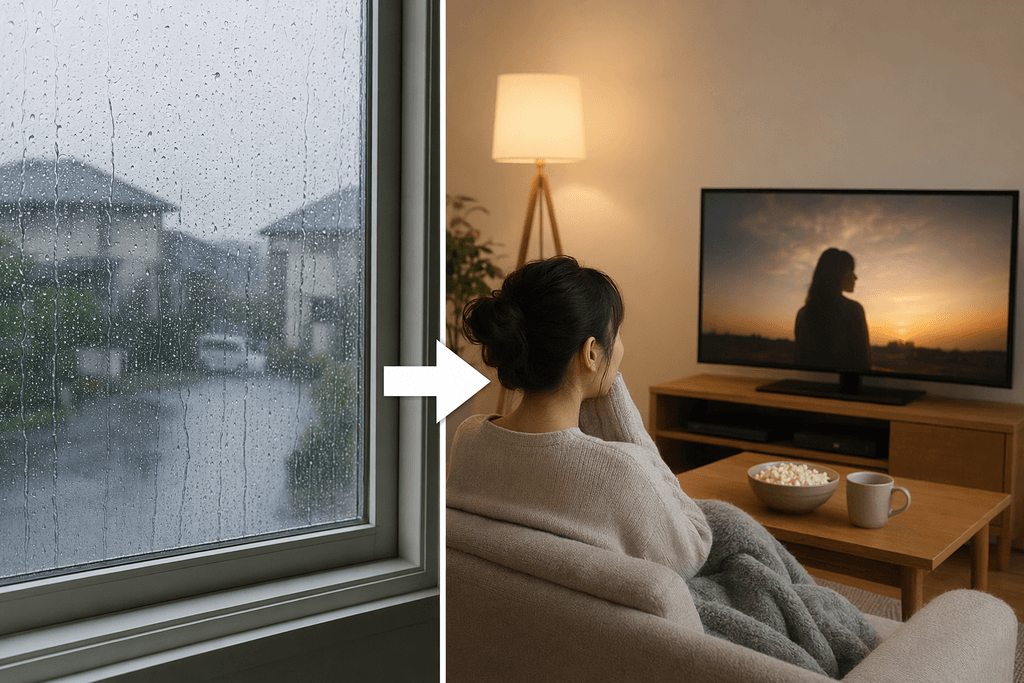
電車に間に合っ( )。
Petunjuk
I'm really glad I made it to the train in time.
電車に間に合っ( )。
てよかった
電車に間に合っ( )。
てよかった
Penjelasan
電車に間に合っ( )。
てよかった
「てよかった」 means I am glad that
and expresses happiness or relief about something that actually happened. Unlike a wish about the past, it says that the real outcome was good.
動詞て形+よかった
~てよかった
Expresses gratitude or relief for something that happened in the past, a choice made, etc.
I'm really glad I made it to the train in time.

私はまだ日本語が話せないので、あなたに先生のように上手に日本語を( )。
Petunjuk
I cannot speak Japanese yet, so I want you to speak Japanese well, like the teacher.
私はまだ日本語が話せないので、あなたに先生のように上手に日本語を( )。
話してほしいです
私はまだ日本語が話せないので、あなたに先生のように上手に日本語を( )。
話してほしいです
Penjelasan
私はまだ日本語が話せないので、あなたに先生のように上手に日本語を( )。
話してほしいです
「のように~てほしい」 expresses a wish for someone else to act like a particular model or in a particular way. State the model first, then the action you want the other person to do.
名詞+のように+動詞て形+ほしい
~のように~てほしい
An expression used to convey a request/appeal of the form “I want (someone) to do ~” in accordance with (an example or a goal). It’s used when you specify a concrete method or state and want them to act exactly that way.
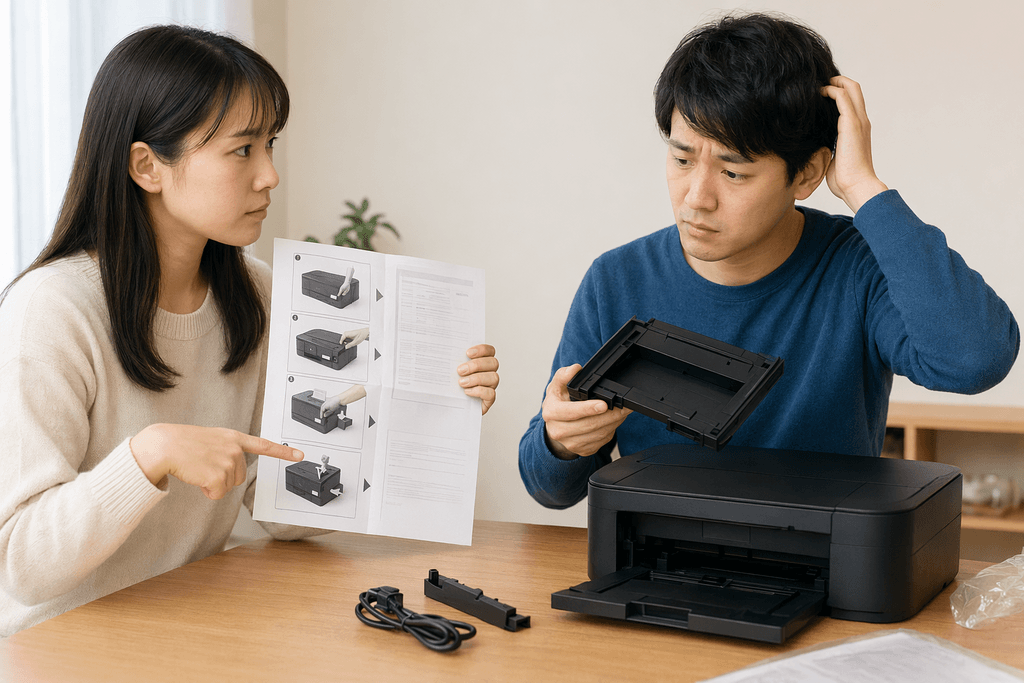
窓を開ける( )、冷たい風が入ってきました。
Petunjuk
When I opened the window, a cold wind came in.
窓を開ける( )、冷たい風が入ってきました。
と
窓を開ける( )、冷たい風が入ってきました。
と
Penjelasan
窓を開ける( )、冷たい風が入ってきました。
と
「と」 after a verb's dictionary form means when
and links an action to what happens right after it. Here, it describes what happened when the window was opened.
動詞辞書形+と
〜と
and then / if / when

明日は雨が降る( )。
かもしれない
明日は雨が降る( )。
かもしれない
Penjelasan
明日は雨が降る( )。
かもしれない
「かもしれない」 means may
or might
and expresses an uncertain possibility. It follows a plain form, without the final 「だ」 after nouns and 「な」 adjectives.
普通形+かもしれない(名詞・な形容詞のだは省く)
~かもしれない
may / might / maybe / perhaps / possibly

Tampilkan bentuk kata
Berikut ringkasan "bentuk dasar" dan "bentuk umum" dari kata kerja bantu ini.
Bentuk dasar
| Bentuk | Bentuk kata | Pemakaian |
|---|---|---|
| Bentuk irealis (みぜんけい) |
Ungkapan lain:
~かも知れなかろ
|
Bentuk yang bisa dipakai berbeda untuk setiap kata kerja bantu. |
| Bentuk sambung (れんようけい) |
Ungkapan lain:
~かもしれなかっ
~かも知れなく
~かも知れなかっ
|
Bentuk yang bisa dipakai berbeda untuk setiap kata kerja bantu. |
| Bentuk akhir kalimat (しゅうしけい) |
Ungkapan lain:
~かも知れない
|
Bentuk dasar ini memiliki fungsi tata bahasa. |
| Bentuk pewatas nomina (れんたいけい) |
Ungkapan lain:
~かも知れない
|
Pemakaian mengikuti kata sebelum dan sesudahnya. |
| Bentuk pengandaian (かていけい) |
Ungkapan lain:
~かも知れなけれ
|
Bentuk ini dipakai dalam ungkapan bersyarat. |
| Bentuk perintah (めいれいけい) | Bentuk ini biasanya tidak dipakai untuk kata ini. | Sebagian kata tidak memiliki bentuk ini. |
Bentuk umum
| Bentuk | Bentuk kata | Pemakaian |
|---|---|---|
| Tidak ada bentuk turunan yang bisa ditampilkan. | ||
Catatan
明日、雨が降らない( )。
Petunjuk
I hope it doesn't rain tomorrow.
明日、雨が降らない( )。
といいです
明日、雨が降らない( )。
といいです
Penjelasan
明日、雨が降らない( )。
といいです
「といいです」 means I hope
and expresses a hope that something will happen or be true. After a negative form, it expresses a hope that something will not happen.
普通形+といいです
~といいです
It would be good if~

明日雨が降る( )、天気予報で確認しました。
Petunjuk
I checked the weather forecast to see whether or not it will rain tomorrow.
明日雨が降る( )、天気予報で確認しました。
かどうか
明日雨が降る( )、天気予報で確認しました。
かどうか
Penjelasan
明日雨が降る( )、天気予報で確認しました。
かどうか
「かどうか」 means whether or not
. It puts a question with a yes-or-no answer inside a larger sentence.
普通形+かどうか(名詞・な形容詞の現在肯定はだを付けない)
~かどうか

Memuat…

JLPT N4 文法・49項目 / JLPT N4 Grammar: 49 Points

Jonathan Waller 氏の JLPT Resources の文法リスト・レベル分類を出典とし、CC BY の条件に従って DiQt が問題・説明・訳を作った49項目の文法問題集です。JLPT と同じ形式の例文の穴埋め4択で学び、例文の訳はヒントに、文法の説明と接続の形は解答後の解説に表示されます。JLPT公式の文法リストではありません。
This collection of 49 grammar points is based on the grammar list and level classifications in Jonathan Waller’s JLPT Resources under CC BY, with questions, explanations, and translations created by DiQt. Learn through four-choice sentence completion questions in the same format as the JLPT, with sentence translations as hints and grammar explanations and connection patterns shown after answering. It is not an official JLPT grammar list.
Pintasan keyboard
Pemilihan soal pertama:
Ctrl + Enter
Lihat penjelasan:Ctrl + G
Penutupan umpan balik:Esc
Saat memilih soal
Jawab:Enter
Pilihan jawaban:↓ atau ↑
Pembacaan soal dengan suara:Ctrl + K
Lihat petunjuk: Ctrl + M
Tidak tahu: Ctrl + Y



