
JLPT N1 Grammar: Four-Choice Sentence Completion - Belum dijawab

Practice 69 JLPT N1 grammar points by filling blanks in example sentences with one of four choices, using English translations as hints and reading explanations after answering.
-
すべからず
-
するにかたくなく
-
するにたえず
-
を限りに
-
に至るまで
-
に即して
-
から成って
-
を皮切りに
-
と相まって
-
から成る
-
ゆえの
-
にのぼる
-
ついでに
-
が最後
-
とあって
-
にのぼって
-
を経て
-
を皮切りに
-
とあれば
-
ばかりに
-
からといって
-
たがっていた
-
すぎた
-
たいと言った
-
を限りに
-
をもって
-
をおして
-
ずくめ
-
的
-
がち
新薬の承認手続きを迅速化( )、厚生労働省は審査体制の抜本的な見直しに着手した。
Petunjuk
To speed up the approval process for new drugs, the Ministry of Health, Labour and Welfare began a fundamental reexamination of its drug review system.
新薬の承認手続きを迅速化( )、厚生労働省は審査体制の抜本的な見直しに着手した。
すべく
新薬の承認手続きを迅速化( )、厚生労働省は審査体制の抜本的な見直しに着手した。
すべく
Penjelasan
新薬の承認手続きを迅速化( )、厚生労働省は審査体制の抜本的な見直しに着手した。
すべく
「べく」 means in order to
and states the purpose of a deliberate action. It is used mainly in formal writing.
動詞辞書形+べく。するはすべく・するべく
~べく

今回の災害では、物的被害( )、避難生活が長引くことによる心の疲弊が深刻だ。
Petunjuk
In this disaster, the mental exhaustion caused by prolonged displacement is even more serious than the damage to property.
今回の災害では、物的被害( )、避難生活が長引くことによる心の疲弊が深刻だ。
にもまして
今回の災害では、物的被害( )、避難生活が長引くことによる心の疲弊が深刻だ。
にもまして
Penjelasan
今回の災害では、物的被害( )、避難生活が長引くことによる心の疲弊が深刻だ。
にもまして
「にもまして」 means even more than.
It emphasizes that the following thing is greater in degree than the one mentioned before it.
名詞+にもまして
~にもまして
more than, above
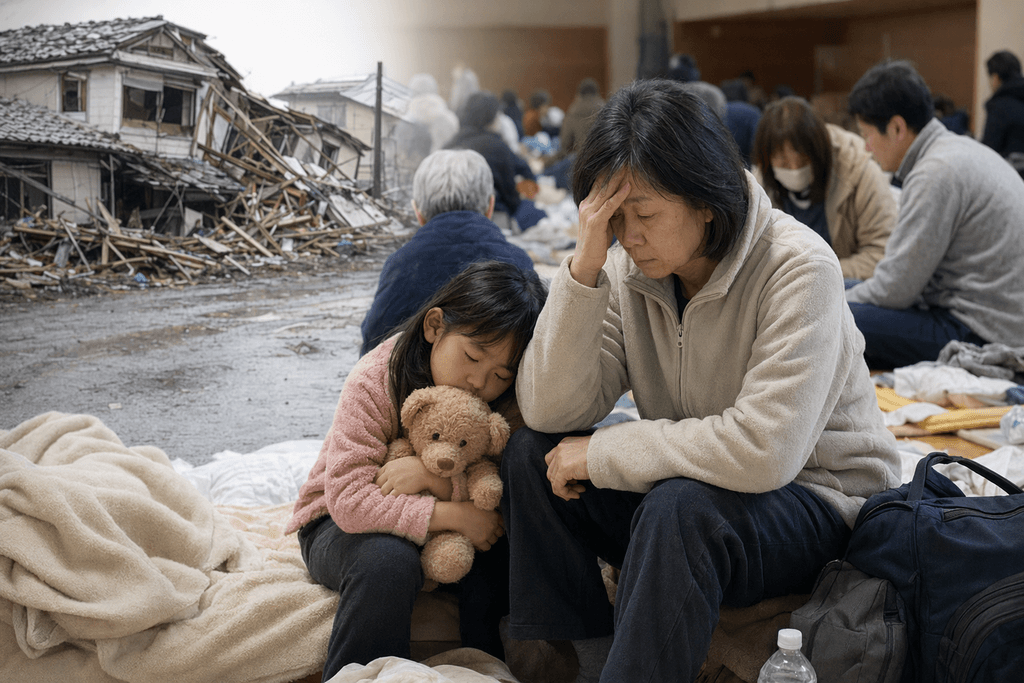
今後の交渉の成り行き( )、計画を全面的に見直さざるを得ない。
Petunjuk
Depending on how future negotiations unfold, we may have no choice but to completely review the plan.
今後の交渉の成り行き( )、計画を全面的に見直さざるを得ない。
いかんでは
今後の交渉の成り行き( )、計画を全面的に見直さざるを得ない。
いかんでは
Penjelasan
今後の交渉の成り行き( )、計画を全面的に見直さざるを得ない。
いかんでは
「いかん」 is a formal way to say depending on. A decision or outcome changes according to the state or result of something.
名詞(+の)+いかんで/いかんでは
~いかん

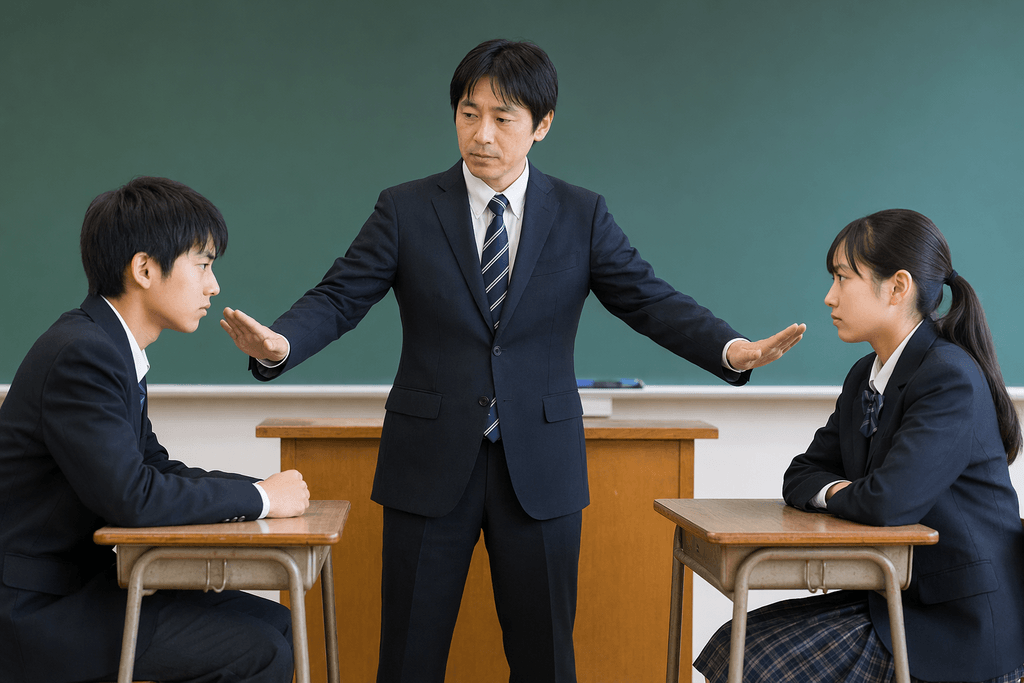
政治家( )者、国民の信頼を裏切るような振る舞いは厳に慎むべきだ。
Petunjuk
Anyone who is a politician should strictly refrain from conduct that betrays the public's trust.
政治家( )者、国民の信頼を裏切るような振る舞いは厳に慎むべきだ。
たる
政治家( )者、国民の信頼を裏切るような振る舞いは厳に慎むべきだ。
たる
Penjelasan
政治家( )者、国民の信頼を裏切るような振る舞いは厳に慎むべきだ。
たる
「たる」 follows a noun for a position or role. It formally stresses the responsibilities and conduct expected of someone in that position.
地位・立場を表す名詞+たる+名詞(多くは「者」)
~たる
Attributive form (連体形) of たり (tari) (etymology 3).
( romanization )
今さら彼に謝った( )、失った信用がすぐに戻るわけではない。
Petunjuk
Even if I were to apologize to him now, it wouldn't mean that the trust I lost would come back right away.
今さら彼に謝った( )、失った信用がすぐに戻るわけではない。
としたところで
今さら彼に謝った( )、失った信用がすぐに戻るわけではない。
としたところで
Penjelasan
今さら彼に謝った( )、失った信用がすぐに戻るわけではない。
としたところで
「としたところで」 means even assuming that.
It usually expresses a negative judgment that the desired result would still be difficult to obtain.
普通形+としたところで
~としたところで
even if / even assuming (that) / even supposing (that) / granting that

委員会は、過去十年の統計と現場から寄せられた切実な声( )、制度の抜本的な見直しに踏み切った。
Petunjuk
Taking into account the statistics from the past ten years and the urgent voices from the field, the committee decided to undertake a fundamental review of the system.
委員会は、過去十年の統計と現場から寄せられた切実な声( )、制度の抜本的な見直しに踏み切った。
をふまえて
委員会は、過去十年の統計と現場から寄せられた切実な声( )、制度の抜本的な見直しに踏み切った。
をふまえて
Penjelasan
委員会は、過去十年の統計と現場から寄せられた切実な声( )、制度の抜本的な見直しに踏み切った。
をふまえて
「をふまえて」 means taking into account.
It shows that facts or circumstances are considered carefully and used as a basis for action.
名詞+をふまえて
~をふまえて
be based on, take into account,
Taking into account the statistics from the past ten years and the urgent voices from the field, the committee decided to undertake a fundamental review of the system.

彼は若い( )、業界の複雑な利害関係を見抜く洞察力がある。
Petunjuk
Considering how young he is, he has the insight to see through the industry's complex web of interests.
彼は若い( )、業界の複雑な利害関係を見抜く洞察力がある。
わりに
彼は若い( )、業界の複雑な利害関係を見抜く洞察力がある。
わりに
Penjelasan
彼は若い( )、業界の複雑な利害関係を見抜く洞察力がある。
わりに
「わりに」 means considering
or for.
It shows that the actual situation differs from what a quality or condition would lead you to expect.
普通形+わりに/名詞の・ナ形容詞な+わりに
~わりに
considering / for (being ...) / given / despite / relative to

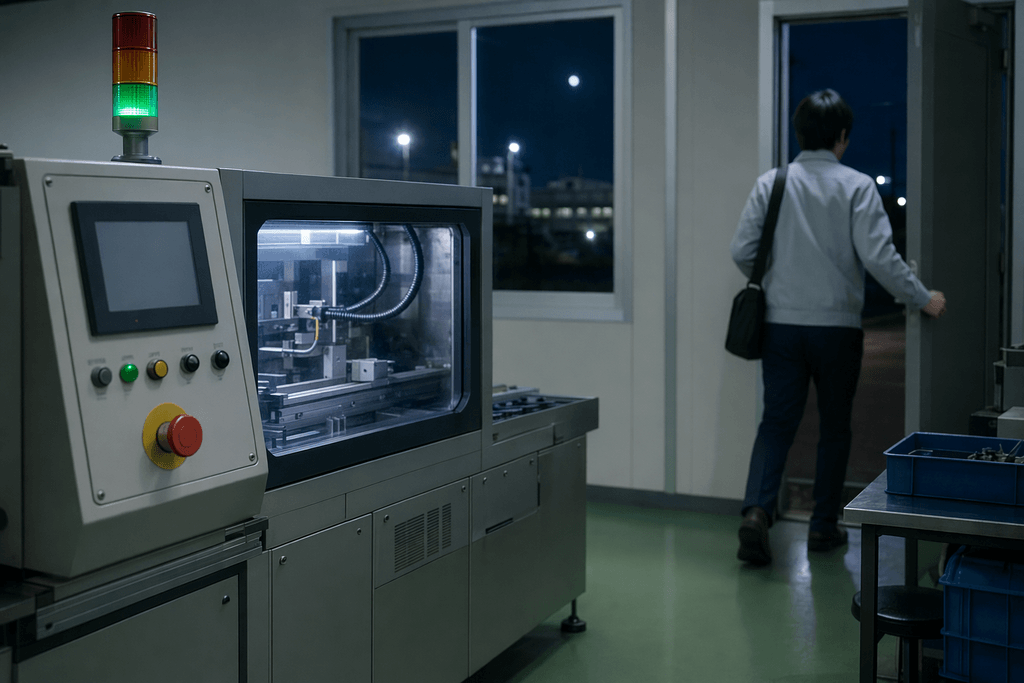
会議室のプロジェクターをつけ( )まま退勤したことが発覚し、担当者は厳重注意を受けた。
Petunjuk
It was discovered that the person in charge had left the conference room projector on when leaving work, and they received a stern warning.
会議室のプロジェクターをつけ( )まま退勤したことが発覚し、担当者は厳重注意を受けた。
っぱなしにした
会議室のプロジェクターをつけ( )まま退勤したことが発覚し、担当者は厳重注意を受けた。
っぱなしにした
Penjelasan
会議室のプロジェクターをつけ( )まま退勤したことが発覚し、担当者は厳重注意を受けた。
っぱなしにした
「っぱなし」 means leave something as it is
after an action, often through carelessness. It can also mean keep doing without a break.
動詞ます形の語幹+っぱなし
~っぱなし
verb suffix meaning 'to leave something as it is; to leave in a certain state (often carelessly or neglectfully)' / to do something and leave it that way; to keep doing without finishing (often carries a negative nuance)
( romanization )
兄は失敗してもすぐ立ち直るの( )、私は一度つまずくといつまでも引きずってしまう。
Petunjuk
In contrast to my older brother, who bounces back quickly even after failing, I keep dwelling on it for a long time once I stumble.
兄は失敗してもすぐ立ち直るの( )、私は一度つまずくといつまでも引きずってしまう。
にひきかえ
兄は失敗してもすぐ立ち直るの( )、私は一度つまずくといつまでも引きずってしまう。
にひきかえ
Penjelasan
兄は失敗してもすぐ立ち直るの( )、私は一度つまずくといつまでも引きずってしまう。
にひきかえ
「にひきかえ」 means in contrast to.
It shows a clear contrast with the preceding person or situation, often with a negative judgment of one side.
名詞+にひきかえ/動詞普通形+のにひきかえ
~にひきかえ

豪雨の中で崩落現場に踏み込んだ救助隊員は、全身泥( )になりながらも、かすかな声を頼りに瓦礫を掘り続けた。
Petunjuk
The rescue worker who entered the collapse site in the torrential rain kept digging through the rubble, relying on a faint voice, even as his whole body became covered in mud.
豪雨の中で崩落現場に踏み込んだ救助隊員は、全身泥( )になりながらも、かすかな声を頼りに瓦礫を掘り続けた。
まみれ
豪雨の中で崩落現場に踏み込んだ救助隊員は、全身泥( )になりながらも、かすかな声を頼りに瓦礫を掘り続けた。
まみれ
Penjelasan
豪雨の中で崩落現場に踏み込んだ救助隊員は、全身泥( )になりながらも、かすかな声を頼りに瓦礫を掘り続けた。
まみれ
「まみれ」 means covered or smeared with something such as mud, blood, or sweat
. It usually describes an unpleasant substance sticking to a surface.
汚れなどを表す名詞+まみれ
~まみれ
to be covered in, smeared with
The rescue worker who entered the collapse site in the torrential rain kept digging through the rubble, relying on a faint voice, even as his whole body became covered in mud.

Memuat…

JLPT N1 文法・69項目 / JLPT N1 Grammar: 69 Points

JLPT と同じ形式の、例文の空欄に入る表現を4つの選択肢から選ぶ文法問題集です。69項目を収録し、例文の訳はヒントに、文法の説明と接続の形は解答後の解説に表示します。Jonathan Waller 氏の JLPT Resources の文法リスト・レベル分類を出典とし、CC BY の条件に従って DiQt が問題・説明・訳を作成しました。JLPT公式の文法リストではありません。
Practice 69 grammar points with JLPT-style questions that ask you to fill a blank in a Japanese example sentence by choosing one of four answers. Sentence translations appear as hints, and grammar explanations and connection patterns appear after answering. The grammar list and level classifications are based on Jonathan Waller’s JLPT Resources under CC BY; DiQt created the questions, explanations, and translations. This is not an official JLPT grammar list.
Pintasan keyboard
Pemilihan soal pertama:
Ctrl + Enter
Lihat penjelasan:Ctrl + G
Penutupan umpan balik:Esc
Saat memilih soal
Jawab:Enter
Pilihan jawaban:↓ atau ↑
Pembacaan soal dengan suara:Ctrl + K
Lihat petunjuk: Ctrl + M
Tidak tahu: Ctrl + Y



