
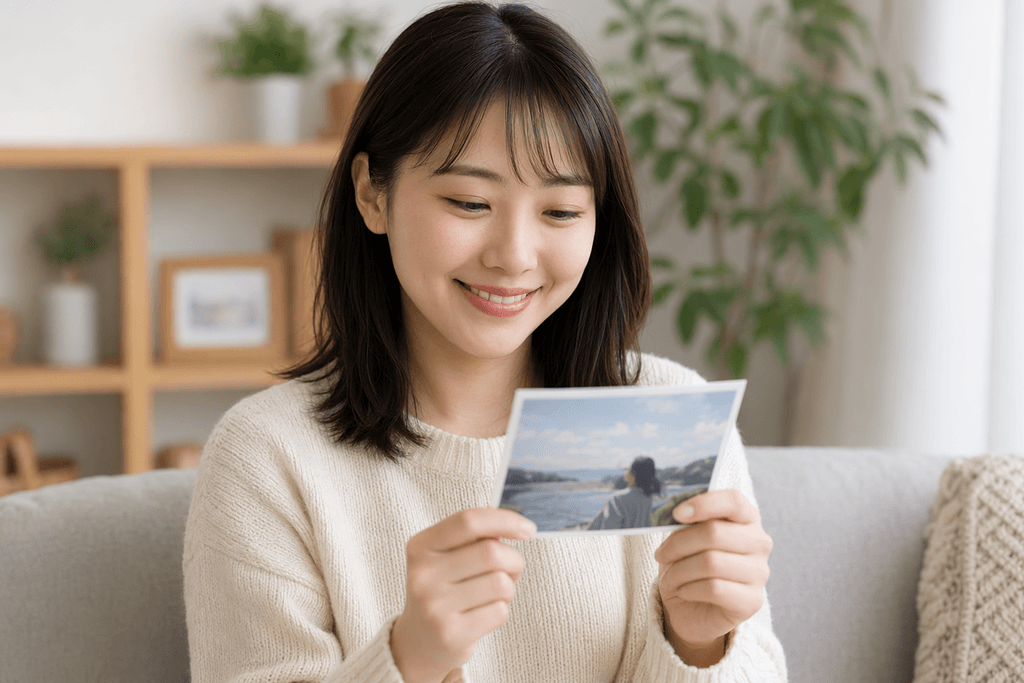
にっこり
smilingly; with a beaming smile / with a bright smile / beamingly / with a broad smile
にこやかに(と)笑うさま / ほほえむさま / 満足そうに笑みを浮かべるさま
うれしそうに、やさしく笑(わら)う様子(ようす)です。
微笑 / 灿烂地一笑 / 露出灿烂的笑容
露出燦爛的笑容 / 開心地微笑 / 燦爛地一笑
환하게 웃다 / 방긋 웃다 / 밝게 미소짓다
tersenyum lebar / tersenyum manis / tersenyum berseri-seri
dengan senyuman lebar / sambil tersenyum ceria / dengan senyuman berseri
sonreír ampliamente / sonreír radiante / esbozar una gran sonrisa
en souriant / avec un large sourire / radieusement
con un sorriso smagliante / raggiante, sorridendo apertamente / con un largo sorriso
mit einem strahlenden Lächeln / freundlich lächelnd / breit grinsend
med et strålende smil / smilende; med et bredt smil / med et lyst smil
z promiennym uśmiechem / szeroko się uśmiechając / uśmiechnięcie (się), pogodnie
s úsměvem / široce (zářícím) úsměvem / blaženě, rozzářeně
glimlachend / met een stralende glimlach / breed glimlachend
med et bredt smil / smilende; med et lyst smil / strålende (smilende)
med ett leende / med ett strålande leende / leende
улыбаясь; с улыбкой / с широкой улыбкой; лучезарно / приветливо улыбаясь
zâmbind larg / cu un zâmbet luminos / cu un zâmbet cald
усміхаючись; з усмішкою / із сяючою (променистою) усмішкою / широко усміхаючись
sorrir amplamente / sorrir de forma radiante / dar um sorriso largo
cười tươi / cười rạng rỡ / nở nụ cười rạng rỡ
ngumiti nang masaya / ngumiti nang malapad / magpakita ng maaliwalas na ngiti
ยิ้มอย่างสดใส / ยิ้มกว้าง / ยิ้มแฉ่ง
ຍິ້ມຢ່າງແຈ່ມໃສ / ຍິ້ມກວ້າງຢ່າງມີຄວາມສຸກ
gülümseyerek / ışıltılı/parlak bir gülümsemeyle / kocaman gülümseyerek
புன்னகையுடன் / முகம் மலர்ந்து / பிரகாசமான புன்னகையுடன்
मुस्कुराते हुए / खिलखिला कर मुस्कुराते हुए / चमकती/खिली हुई मुस्कान के साथ
مسکراتے ہوئے / چمکتی ہوئی مسکراہٹ کے ساتھ / کھل کر مسکرا کر
szélesen mosolyogva / ragyogó mosollyal / vidáman, mosolyogva
בחיוך רחב / באופן קורן / בחיוך זוהר
উজ্জ্বল হাসিতে / প্রশস্ত/বড় হাসি দিয়ে / হাসিমুখে
मुस्कुराउँदै / उज्यालो मुस्कानसहित / ठूलो मुस्कानसहित
පුළුල් සිනාවකින් / දිලිසෙන සිනාවකින් / සිනාවෙමින්
အပြုံးတစ်ပြည့်ဖြင့် / မျက်နှာတဝင်းဝင်းဖြင့် / အပြုံးဖြင့်ပျော်ရွှင်စွာ
инээмсэглэн / гэрэлтсэн инээмсэглэлтэйгээр / өргөн инээмсэглэн
keng tabassum bilan / yorqin jilmayib / chiroyli kulimsirab
با لبخند / با لبخندی پهن و دلنشین / با لبخندی روشن و گشادهرو
مبتسمًا ابتسامةً عريضة / بابتسامةٍ مشرقة / بابتسامةٍ باسمة
ដោយញញឹមភ្លឺថ្លា / ដោយស្នាមញញឹមរីករាយ / ដោយញញឹមយ៉ាងស្រស់
com um sorriso radiante / sorridentemente / com um sorriso aberto
笑咪咪咁 / 笑容燦爛噉 / 笑得好開心咁
Word Forms
The basic and commonly used forms of this verb.
Basic forms
| Form | Word form | Usage |
|---|---|---|
| Imperfective form (mizenkei) | Connects to endings such as nai, reru, and seru. | |
| Continuative form (renyokei) | Connects to endings such as masu, tai, and ta. | |
| Conclusive form (shushikei) | Ends a sentence and serves as the dictionary form. | |
| Attributive form (rentaikei) | Modifies a noun. | |
| Conditional form (kateikei) | Combines with ba to express a condition. | |
| Imperative form (meireikei) |
Alternative:
にっこりせよ
|
Expresses a command or instruction. |
Common forms
| Form | Word form | Usage |
|---|---|---|
| Te-form | Connects clauses with te. | |
| Ta-form | Expresses the past with ta. | |
| Nai-form | Expresses negation with nai. | |
| Masu-form | Used for polite speech. | |
| Ba-form | Expresses a condition with ba. | |
| Volitional form | Expresses intention or invitation. |
Notes
- 一般には副詞「にっこり」+動詞「する」の形で用いられる(=「にっこりする」)。
Japanese - Multilingual

- Users who have edit permission for words - All Users
- Screen new word creation
- Screen word edits
- Screen word deletion
- Screen changing entry name
- Users authorized to vote on judging - All Users
- Number of votes required for decision - 1
- Users who have edit permission for sentences - All Users
- Screen sentence deletion
- Users authorized to vote on judging - Editor
- Number of votes required for decision - 1
- Users who have edit permission for quizzes - All Users
- Users authorized to vote on judging - Editor
- Number of votes required for decision - 1



