
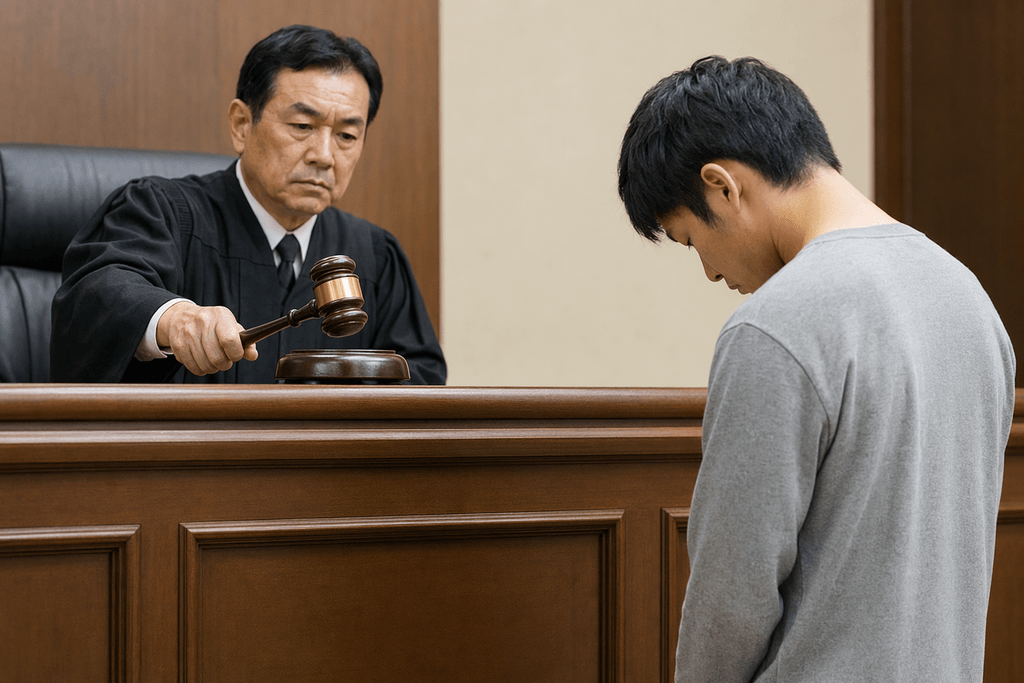
罰する
to punish / to penalize, to impose a punishment on / to discipline
罰する、懲罰を課す、懲戒する
悪(わる)いことをした人(ひと)に、きまりにそって苦(くる)しいことを受(う)けさせます。
惩罚;处罚 / 施加惩处 / 给予处分/制裁
懲罰 / 處罰 / 懲戒
처벌하다 / 벌하다 / 징계하다
menghukum / memberi sanksi / menjatuhkan hukuman
menghukum / mengenakan penalti / mendenda
castigar / sancionar / penalizar
punir / sanctionner / infliger une punition
punire, infliggere una pena / sanzionare, penalizzare / disciplinare, correggere con una punizione
(jmdn.) bestrafen / (ein Vergehen) ahnden / eine Strafe auferlegen
straffe / pålægge straf (for) / disciplinere
karać / ukarać (nałożyć karę) / dyscyplinować
potrestat / udělit trest (penalizovat) / kárat, disciplinárně postihnout
straffen / bestraffen; een straf opleggen / tuchtigen; disciplineren
straffe / ilegge straff eller bot / disiplinere
straffa / bötfälla / tukta
наказывать / подвергать наказанию; штрафовать / карать; подвергать взысканию
a pedepsi / a sancționa / a aplica o pedeapsă
карати / накладати покарання (штраф) / піддавати дисциплінарному стягненню
punir / penalizar / impor uma punição
trừng phạt / xử phạt / xử lý kỷ luật
parusahan / patawan ng parusa / disiplinahin
ลงโทษ / ปรับโทษ / ลงทัณฑ์/ทำโทษทางวินัย
ລົງໂທດ / ລົງອາຍາ / ຂະນາບວິໄນ
cezalandırmak / ceza vermek / disiplin cezası uygulamak
தண்டனை அளித்தல் / தண்டம் விதித்தல் / ஒழுக்கப்படுத்தல்
दंडित करना / सज़ा देना / दंड लगाना
سزا دینا / جرمانہ عائد کرنا / تادیب کرنا
megbüntet / büntetéssel sújt / fegyelmez
להעניש / להטיל עונש / להעניק עונש משמעתי
শাস্তি দেওয়া / দণ্ডিত করা / জরিমানা করা
दण्ड दिनु / सजाय दिनु / दण्डित गर्नु
දඬුවම් කිරීම / දඩ දමමින් දඬුවම් පැමිණවීම / අනුශාසනය කර දඬුවම් කිරීම
အပြစ်ပေးသည် / ဒဏ်ပေးသည် / ပြစ်ဒဏ်ချမှတ်သည်
шийтгэх, ял оногдуулах / торгох / сахилга батжуулах, шийтгэн хүмүүжүүлэх
jazolamoq / jazo qo‘llamoq / intizomga chaqirmoq
مجازات کردن / تنبیه کردن / کیفر دادن
يُعاقِب / يُفرِض عقوبة / يُؤدِّب
ដាក់ទណ្ឌកម្ម / ផ្តន្ទាទោស / ពិន័យ
punir / penalizar / castigar disciplinarmente
懲罰 / 處罰 / 懲戒
Word Forms
The basic and commonly used forms of this verb.
Basic forms
| Form | Word form | Usage |
|---|---|---|
| Imperfective form (mizenkei) |
Alternative:
罰せ
罰さ
|
Connects to endings such as nai, reru, and seru. |
| Continuative form (renyokei) | Connects to endings such as masu, tai, and ta. | |
| Conclusive form (shushikei) | Ends a sentence and serves as the dictionary form. | |
| Attributive form (rentaikei) | Modifies a noun. | |
| Conditional form (kateikei) | Combines with ba to express a condition. | |
| Imperative form (meireikei) |
Alternative:
罰せよ
|
Expresses a command or instruction. |
Common forms
| Form | Word form | Usage |
|---|---|---|
| Te-form | Connects clauses with te. | |
| Ta-form | Expresses the past with ta. | |
| Nai-form |
Alternative:
罰さない
|
Expresses negation with nai. |
| Masu-form | Used for polite speech. | |
| Ba-form | Expresses a condition with ba. | |
| Volitional form | Expresses intention or invitation. |
Notes
- 読み: ばっする。
- 未然形「罰せ」は主に「罰せられる」「罰せず」などで用いられる。
- 「罰さない」は同語幹の五段化・「罰す」由来の形として扱える。
Japanese - Multilingual

- Users who have edit permission for words - All Users
- Screen new word creation
- Screen word edits
- Screen word deletion
- Screen changing entry name
- Users authorized to vote on judging - All Users
- Number of votes required for decision - 1
- Users who have edit permission for sentences - All Users
- Screen sentence deletion
- Users authorized to vote on judging - Editor
- Number of votes required for decision - 1
- Users who have edit permission for quizzes - All Users
- Users authorized to vote on judging - Editor
- Number of votes required for decision - 1



