
JLPT N1 වචන අර්ථ පුහුණුව - Unsolved

පිළිතුරු විකල්ප හතරක් ඇති ප්රශ්න මඟින් JLPT N1 වචන 3032ක අර්ථ සිංහලෙන් ඉගෙන ගන්න.
-
සම්බන්ධ වෙනවා
-
භාරගෙන කරනවා
-
උගුල් අටවනවා / ආරම්භ කරනවා
-
දිලිසීම
-
ඇසිරීම
-
ප්රධාන පාර
-
ස්ඵටිකය / ස්ඵටිකීකරණය
-
අගනා වස්තුව
-
විකර්ෂණය / විරෝධය
-
ආපසු නවා දමනවා / හැරී ආපසු යනවා
-
සපිරි වෙනවා
-
මැලවෙනවා
-
ඉහළට ඔසවනවා / ප්රතිපත්තියක් ඉදිරිපත් කරනවා
-
අවුල් කරනවා / බාධා කරනවා
-
කාන්දු කරනවා / මඟහරිනවා
- 「傷つく」の別表記。
-
මහලු වෙනවා
-
අසනීප වෙනවා
-
නවත්වනවා / රඳවාගන්නවා
-
විශේෂ කුසලතාව
-
කාලය / ක්රීඩා විවේකය
-
සමථකරණය
-
වර්ගය / අභිජනන වර්ගය
-
කළ යුතු කාරණය
-
භෞතික සිරුර
-
සම මට්ටමක වීම
-
වගා කිරීම
-
සන්ධිය
-
සංකල්පය
-
මුද්රණ දෝෂය
-
පොත් විචාරය
おどす
තර්ජනය කරනවා
おどす
තර්ජනය කරනවා
Explanation
තර්ජනය කරනවා
おどす
භයගන්වන්න / තර්ජනය කරන්න / බිය පැනවන්න

Word Forms
The basic and commonly used forms of this verb.
Basic forms
| Form | Word form | Usage |
|---|---|---|
| Imperfective form (mizenkei) |
Alternative:
おどそ
|
Connects to endings such as nai, reru, and seru. |
| Continuative form (renyokei) | Connects to endings such as masu, tai, and ta. | |
| Conclusive form (shushikei) | Ends a sentence and serves as the dictionary form. | |
| Attributive form (rentaikei) | Modifies a noun. | |
| Conditional form (kateikei) | Combines with ba to express a condition. | |
| Imperative form (meireikei) | Expresses a command or instruction. |
Common forms
優勢
වාසිදායක තත්ත්වය
優勢
වාසිදායක තත්ත්වය
Explanation
優勢
වාසිදායක තත්ත්වය
優勢
උත්කර්ෂය / ප්රබලත්වය / ආධිපත්යය
ආරම්භයේදී පසුබෑමකට ලක්ව සිටියද, උපක්රම නැවත සලකා බැලීම සහ ක්රීඩකයන් මාරු කිරීම සාර්ථක වූ අතර, අවසාන අදියර වන විට සම්පූර්ණයෙන්ම වාසිදායක තත්ත්වයකට පත් විය.

( Base form )
( romanization )
( romanization )
( hiragana historical )
( hiragana )
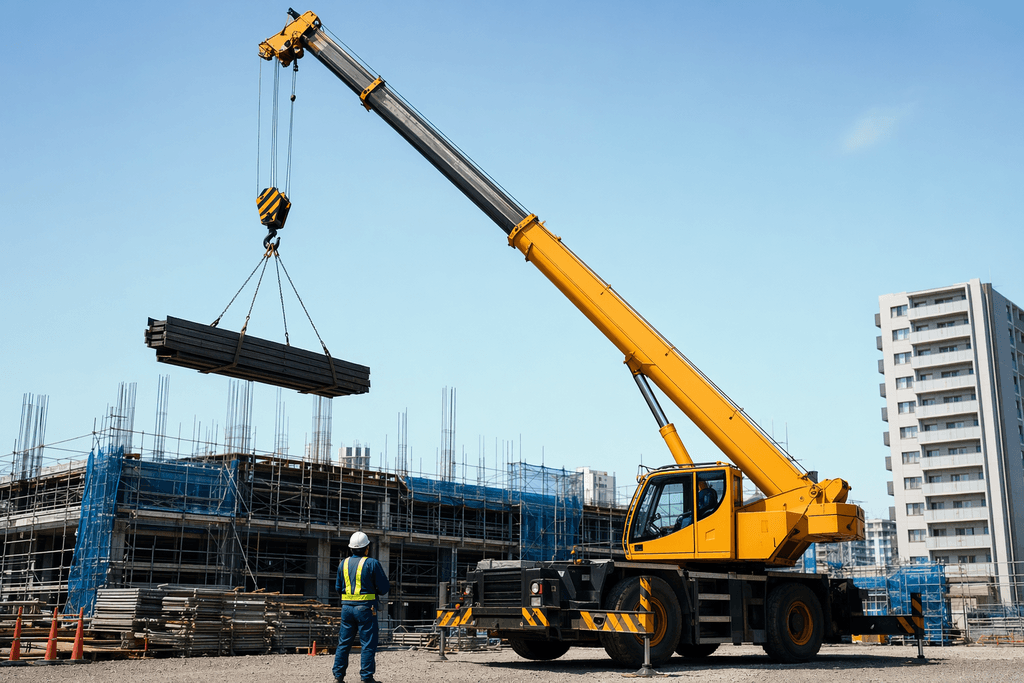
クレーン
දොඹකරය
クレーン
දොඹකරය
Explanation
දොඹකරය
クレーン
(බර එසවීමට) ක්රේන් යන්ත්රය / බර උස්සන යන්ත්රය / ඉදිකිරීම් සඳහා භාවිත වන උස්සන යන්ත්රය
ආරක්ෂිත ප් රමිතීන් සංශෝධනය කිරීමට ප් රතිචාර වශයෙන්, ඉදිකිරීම් සමාගම වයස්ගත දොඹකරය දිගටම ක් රියාත්මක කිරීම කෙතරම් බරපතල අවදානමක්ද යන්න අලුතින් හඳුනා ගත්තේය.
( romanization )
契る
දිවුරනවා
契る
දිවුරනවා
Explanation
契る
දිවුරනවා
契る
ශපථ කරනවා / ප්රතිඥා දෙනවා / කැපවෙනවා

Word Forms
The basic and commonly used forms of this verb.
Basic forms
| Form | Word form | Usage |
|---|---|---|
| Imperfective form (mizenkei) |
Alternative:
契ろ
|
Connects to endings such as nai, reru, and seru. |
| Continuative form (renyokei) | Connects to endings such as masu, tai, and ta. | |
| Conclusive form (shushikei) | Ends a sentence and serves as the dictionary form. | |
| Attributive form (rentaikei) | Modifies a noun. | |
| Conditional form (kateikei) | Combines with ba to express a condition. | |
| Imperative form (meireikei) | Expresses a command or instruction. |
Common forms
傷付く
තුවාල ලබනවා
傷付く
තුවාල ලබනවා
Explanation
傷付く
තුවාල ලබනවා
傷付く
තුවාල වීම / කැළල වීම / මනසට වේදනාව/අපමානය වීම

Word Forms
The basic and commonly used forms of this verb.
Basic forms
| Form | Word form | Usage |
|---|---|---|
| Imperfective form (mizenkei) |
Alternative:
傷つか
傷付こ
傷つこ
|
Connects to endings such as nai, reru, and seru. |
| Continuative form (renyokei) |
Alternative:
傷つき
|
Connects to endings such as masu, tai, and ta. |
| Conclusive form (shushikei) |
Alternative:
傷つく
|
Ends a sentence and serves as the dictionary form. |
| Attributive form (rentaikei) |
Alternative:
傷つく
|
Modifies a noun. |
| Conditional form (kateikei) |
Alternative:
傷つけ
|
Combines with ba to express a condition. |
| Imperative form (meireikei) |
Alternative:
傷つけ
|
Expresses a command or instruction. |
Common forms
| Form | Word form | Usage |
|---|---|---|
| Te-form |
Alternative:
傷ついて
|
Connects clauses with te. |
| Ta-form |
Alternative:
傷ついた
|
Expresses the past with ta. |
| Nai-form |
Alternative:
傷つかない
|
Expresses negation with nai. |
| Masu-form |
Alternative:
傷つきます
|
Used for polite speech. |
| Ba-form |
Alternative:
傷つけば
|
Expresses a condition with ba. |
| Volitional form |
Alternative:
傷つき
|
Expresses intention or invitation. |
Notes
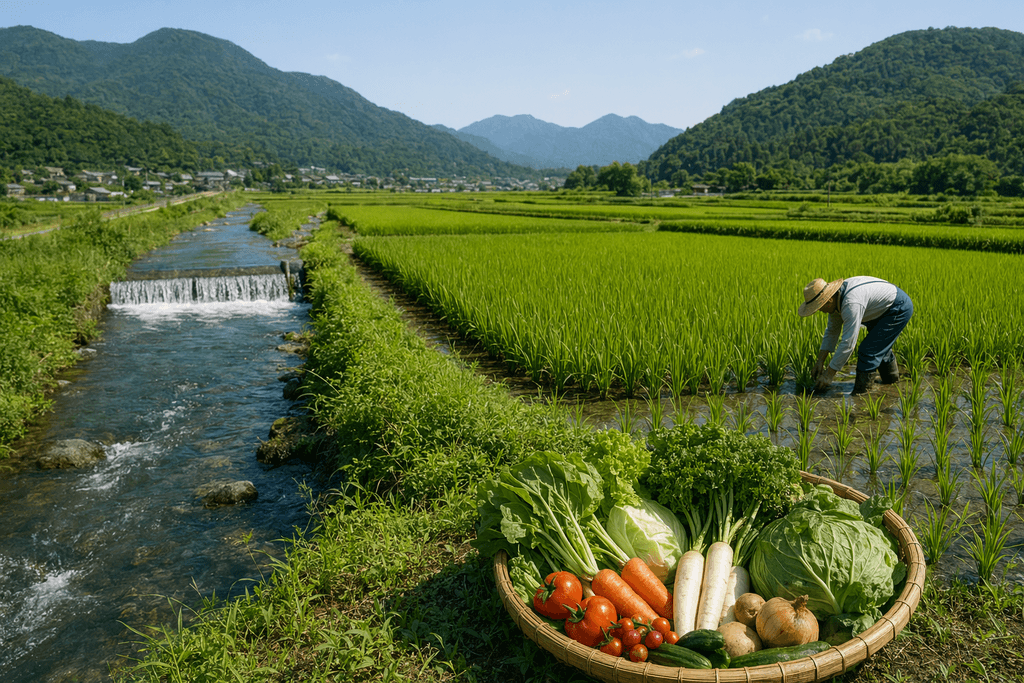
富む
සපිරි වෙනවා
富む
සපිරි වෙනවා
Explanation
富む
සපිරි වෙනවා
富む
ධනවත් වීම / යම් දෙයකින් පොහොසත් වීම / බහුලව/පිරී තිබීම
Word Forms
The basic and commonly used forms of this verb.
Basic forms
| Form | Word form | Usage |
|---|---|---|
| Imperfective form (mizenkei) | Connects to endings such as nai, reru, and seru. | |
| Continuative form (renyokei) | Connects to endings such as masu, tai, and ta. | |
| Conclusive form (shushikei) | Ends a sentence and serves as the dictionary form. | |
| Attributive form (rentaikei) | Modifies a noun. | |
| Conditional form (kateikei) | Combines with ba to express a condition. | |
| Imperative form (meireikei) | Expresses a command or instruction. |
Common forms
潜水
දිය යට කිමිදීම
潜水
දිය යට කිමිදීම
Explanation
潜水
දිය යට කිමිදීම
潜水
දිය යටට බසීම / දිය යටදී පිහිනීම/ගවේෂණය (ඩයිවින් කිරීම)
ගලක්වූ ගංජලයේ පවා දෘශ්යතාවය සෑහෙන්නම අඩු වූ අතර, විස්තරාත්මක සැලසුම් හා පුහුණුවෙන් ශක්තිමත් කළ දියට බැසීමෙන් ගලවා ගැනීමට අවශ්ය පුද්ගලයින් සොයා බැලීමට ගලවාගැනීමේ කණ්ඩායම කටයුතු කළේය.

( Base form )
( romanization )
( kyūjitai )
( hiragana )
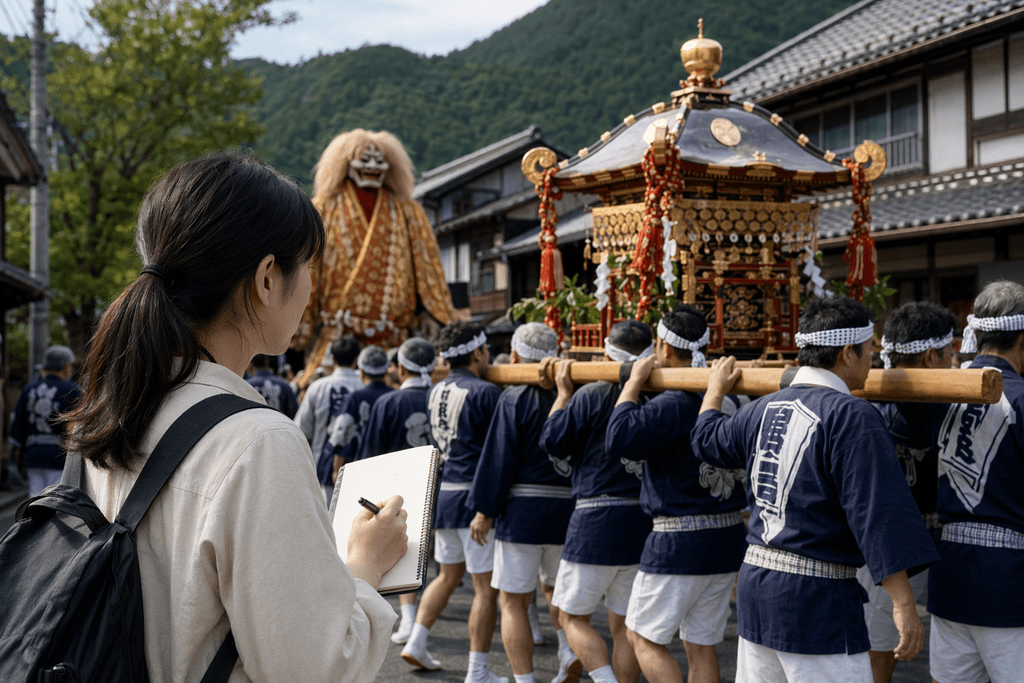
民俗
ජන සිරිත්
民俗
ජන සිරිත්
Explanation
民俗
ජන සිරිත්
民俗
ජනප්රවාද / ජන චාරිත්ර / ජන සිරිත් විරිත්
( Base form )
( romanization )
( hiragana )
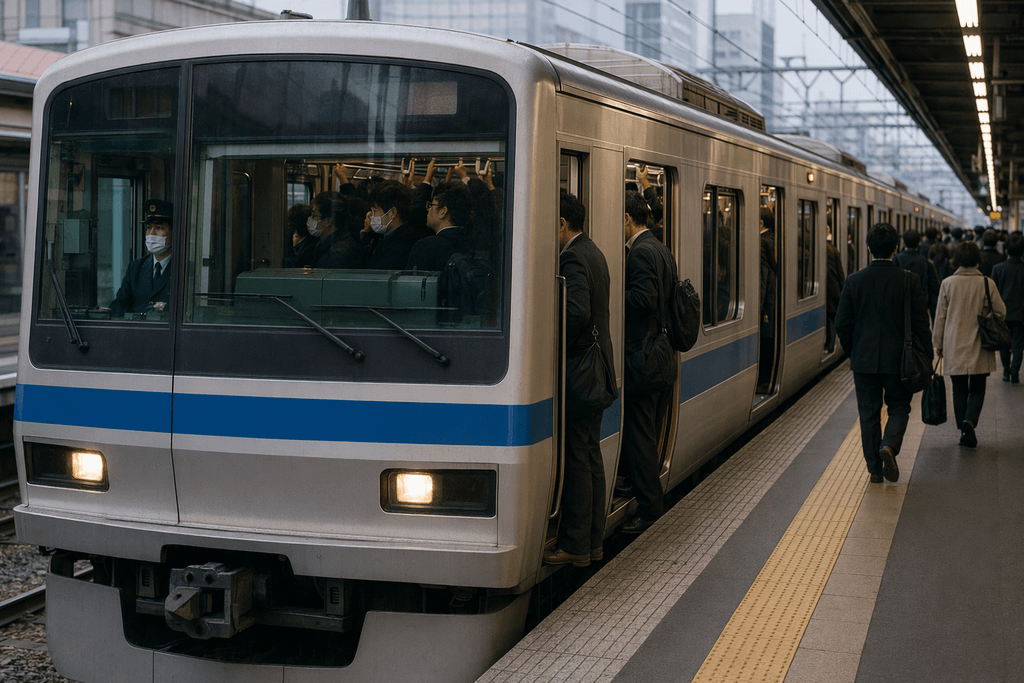
準急
අර්ධ ශීඝ්රගාමී දුම්රිය
準急
අර්ධ ශීඝ්රගාමී දුම්රිය
Explanation
準急
අර්ධ ශීඝ්රගාමී දුම්රිය
準急
අර්ධ වේග දුම්රිය / අර්ධ ඉක්මන් දුම්රිය සේවාව / වේග දුම්රියකට වඩා වැඩි නවත්වීම් කරන ඉක්මන් දුම්රිය
公団
රාජ්ය සංස්ථාව
公団
රාජ්ය සංස්ථාව
Explanation
公団
රාජ්ය සංස්ථාව
公団
පොදු සංස්ථාව / නීතිමය ආයතනය / රජයට අයත් ව්යවසාය
නැවත සංවර්ධනය යන නාමය යටතේ, රාජ්ය නිවාස සංස්ථාව මූලිකත්වයෙන් සිදු කළ නිවාස සැපයුම කාර්යක්ෂම වූවත්, ප්රදේශීය බැඳීම් දුර්වල කර ඇතැයි යන විවේචනද තවමත් දැඩිව පවතී.

( Base form )
( romanization )
( hiragana )
Loading...

JLPT N1 多言語単語帳・3032語 / JLPT N1 Multilingual Vocabulary: 3032 Words

Jonathan Waller 氏の JLPT Resources の語彙リスト・レベル分類を出典とし、CC BY の条件に従って DiQt が学習者向けに意味を作り直した3032語の単語帳です。JLPT公式の語彙リストではありません。
This collection of 3032 words is based on the vocabulary list and level classifications in Jonathan Waller’s JLPT Resources under CC BY, with meanings rewritten by DiQt for learners. It is not an official JLPT vocabulary list.
Key Operations
Select the first quiz:
Ctrl + Enter
View Explanation:Ctrl + G
Close a feedback:Esc
When selecting a quiz
Answer:Enter
Select a choice:↓ or ↑
Reading out the question:Ctrl + K
View Hint: Ctrl + M
I don't know: Ctrl + Y



