
JLPT N1 වචන අර්ථ පුහුණුව - Unsolved

පිළිතුරු විකල්ප හතරක් ඇති ප්රශ්න මඟින් JLPT N1 වචන 3032ක අර්ථ සිංහලෙන් ඉගෙන ගන්න.
-
විශේෂ සැලකිල්ලක් දක්වනවා
-
පිම්බෙනවා / මූණ එල්ලගන්නවා
-
ලෙවකනවා / අවතක්සේරු කරනවා
-
ක්ෂණය
-
විවාහ යෝජනා හමුව
-
අධික තදබදය
-
තීරණය කරනවා / නියම කරනවා
-
පුණ්ය ආධාර දෙනවා
-
ගොඩවදිනවා
-
නළය
-
ඉරියව්ව / ව්යුහය
-
වෙනුවෙන් කතා කිරීම
-
අරමුදල් මූලාශ්රය
-
හස්ත කර්මාන්තය / උපායශීලී ක්රියා
-
පීඩනය / සම්පීඩනය
-
වතුරේ තම්බනවා
-
සපා කඩා ගන්නවා
-
ස්ථාපනය කරනවා
-
පීඩන බලය
-
අසම්පූර්ණත්වය / ඉතිරිය
-
අම්ලය
-
හුරතල් වෙනවා / කරුණාවෙන් වාසි ගන්නවා
-
අවුල් වෙනවා
-
විකිණීමට ඉදිරිපත් කරනවා / ප්රසිද්ධ කරවනවා
-
පමණ
-
අහෝ
-
සහ / නිසා
-
ස්ථානයට පැමිණීම
-
වෙද නළාව
-
ජීව වර්ධනය
割り込む
මැදට පනිනවා
割り込む
මැදට පනිනවා
Explanation
割り込む
මැදට පනිනවා
割り込む
පේළියකට හෝ අතරට බලහත්කාරයෙන් ඇතුල් වීම / කතාබහකට මැදින් කප්පිලා ඇතුල් වීම; බාධා කිරීම / අතරට පැමිණ අවහිර කිරීම; මැදිහත්වීම

Word Forms
The basic and commonly used forms of this verb.
Basic forms
| Form | Word form | Usage |
|---|---|---|
| Imperfective form (mizenkei) |
Alternative:
割り込も
|
Connects to endings such as nai, reru, and seru. |
| Continuative form (renyokei) |
Alternative:
割り込ん
|
Connects to endings such as masu, tai, and ta. |
| Conclusive form (shushikei) | Ends a sentence and serves as the dictionary form. | |
| Attributive form (rentaikei) | Modifies a noun. | |
| Conditional form (kateikei) | Combines with ba to express a condition. | |
| Imperative form (meireikei) | Expresses a command or instruction. |
Common forms
帰京
ටෝකියෝ වෙත ආපසු ඒම
帰京
ටෝකියෝ වෙත ආපසු ඒම
Explanation
帰京
ටෝකියෝ වෙත ආපසු ඒම
帰京
අගනුවරට ආපසු යාම / රාජධානියට නැවත පැමිණීම

( Base form )
( romanization )
( romanization )
( hiragana historical )
( hiragana )
交える
මිශ්ර කරනවා / කඩු හරඹ කරනවා
交える
මිශ්ර කරනවා / කඩු හරඹ කරනවා
Explanation
交える
මිශ්ර කරනවා / කඩු හරඹ කරනවා
交える
මිශ්ර කරනු / එකට එක්කර ගැලවනු / වචන/ගිනි හුවමාරු කරනු
විශේෂඥ තීක්ෂ්ණ බුද්ධිය පමණක් නොව භූමියේ වැඩ කරන පුද්ගලයින්ගේ අවංක හඬවල් ද ඇතුළත් කිරීමෙන්, වාර්තාව හුදු අත් පුටු න් යායක් බවට පත්වීම වළක්වා ගත්තේය.

Word Forms
The basic and commonly used forms of this verb.
Basic forms
| Form | Word form | Usage |
|---|---|---|
| Imperfective form (mizenkei) | Connects to endings such as nai, reru, and seru. | |
| Continuative form (renyokei) | Connects to endings such as masu, tai, and ta. | |
| Conclusive form (shushikei) | Ends a sentence and serves as the dictionary form. | |
| Attributive form (rentaikei) | Modifies a noun. | |
| Conditional form (kateikei) | Combines with ba to express a condition. | |
| Imperative form (meireikei) |
Alternative:
交えよ
|
Expresses a command or instruction. |
Common forms
遣い
පණිවිඩ වැඩ / භාවිතය
遣い
පණිවිඩ වැඩ / භාවිතය
Explanation
遣い
පණිවිඩ වැඩ / භාවිතය
遣い
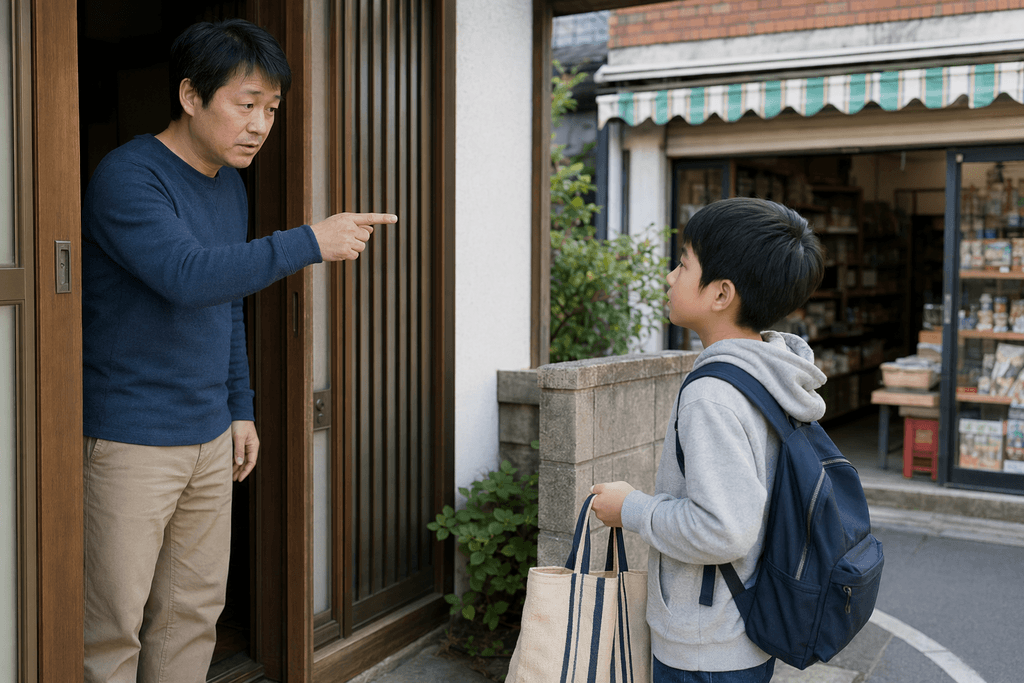
දූතයා / පණිවිඩකරුවා / වැඩකට යවන පුද්ගලයා
( Base form )
( romanization )
( romanization )
( hiragana historical )
真相
සැබෑ තත්ත්වය
真相
සැබෑ තත්ත්වය
Explanation
真相
සැබෑ තත්ත්වය
真相
සත්යය / ඇත්ත තත්වය / යථාර්ථය

( Base form )
( romanization )
( hiragana )
滲む
බොඳ වෙනවා / කාන්දු වෙනවා
滲む
බොඳ වෙනවා / කාන්දු වෙනවා
Explanation
滲む
බොඳ වෙනවා / කාන්දු වෙනවා
滲む
පැල්ලම් වී පැතිරෙන්න / කඳුළු වලින් ඇස් පිරී එළියට එන්න / (වර්ණ/අක්ෂර) මැලවී බොඳවී පැතිරෙන්න

Word Forms
The basic and commonly used forms of this verb.
Basic forms
| Form | Word form | Usage |
|---|---|---|
| Imperfective form (mizenkei) |
Alternative:
滲も
|
Connects to endings such as nai, reru, and seru. |
| Continuative form (renyokei) | Connects to endings such as masu, tai, and ta. | |
| Conclusive form (shushikei) | Ends a sentence and serves as the dictionary form. | |
| Attributive form (rentaikei) | Modifies a noun. | |
| Conditional form (kateikei) | Combines with ba to express a condition. | |
| Imperative form (meireikei) | Expresses a command or instruction. |
Common forms
チャイム
සීනු නාදය
チャイム
සීනු නාදය
Explanation
සීනු නාදය
チャイム
චයිම් හඬ / දොරබෙල්/ඝන්ටාව / ඝන්ටා නාදය

( romanization )
染みる
ඇතුළට කාන්දු වෙනවා / දැවිල්ල දැනෙනවා
染みる
ඇතුළට කාන්දු වෙනවා / දැවිල්ල දැනෙනවා
Explanation
染みる
ඇතුළට කාන්දු වෙනවා / දැවිල්ල දැනෙනවා
染みる
(දියරය) ඇතුළට සෝදිසි වී යාම / (සිසිල/වේදනාව) ශරීරයට කෙළවරටම දැනී ඇසිම/විදීම / (උණුසුම්/ඇල්ම) හිතට ගැඹුරටම රැඳී දැනීම

Word Forms
The basic and commonly used forms of this verb.
Basic forms
| Form | Word form | Usage |
|---|---|---|
| Imperfective form (mizenkei) | Connects to endings such as nai, reru, and seru. | |
| Continuative form (renyokei) | Connects to endings such as masu, tai, and ta. | |
| Conclusive form (shushikei) | Ends a sentence and serves as the dictionary form. | |
| Attributive form (rentaikei) | Modifies a noun. | |
| Conditional form (kateikei) | Combines with ba to express a condition. | |
| Imperative form (meireikei) |
Alternative:
染みよ
|
Expresses a command or instruction. |
Common forms
対して
වෙත / බැගින්
対して
වෙත / බැගින්
Explanation
対して
වෙත / බැගින්
対して
…ට සම්බන්ධව / … පිළිබඳව / …ට එරෙහිව / …වෙත / …ට පරස්පරව / …ට වෙනස්ව

溶液
ද්රාවණය
溶液
ද්රාවණය
Explanation
溶液
ද්රාවණය
溶液
රසායනික ද්රාවණය / ද්රව්ය දියකර සැකසූ දියරය
අත්හදා බැලීමේ ප් රතිනිෂ්පාදනය සහතික කිරීම සඳහා, රසායනික ද් රාවණයේ සාන්ද් රණය පමණක් නොව, සකස් කිරීමෙන් පසු ගත වූ කාලය සහ ගබඩා උෂ්ණත්වය ද දැඩි ලෙස පාලනය කිරීම අවශ් ය වේ.

( Base form )
( romanization )
( hiragana )
Loading...

JLPT N1 多言語単語帳・3032語 / JLPT N1 Multilingual Vocabulary: 3032 Words

Jonathan Waller 氏の JLPT Resources の語彙リスト・レベル分類を出典とし、CC BY の条件に従って DiQt が学習者向けに意味を作り直した3032語の単語帳です。JLPT公式の語彙リストではありません。
This collection of 3032 words is based on the vocabulary list and level classifications in Jonathan Waller’s JLPT Resources under CC BY, with meanings rewritten by DiQt for learners. It is not an official JLPT vocabulary list.
Key Operations
Select the first quiz:
Ctrl + Enter
View Explanation:Ctrl + G
Close a feedback:Esc
When selecting a quiz
Answer:Enter
Select a choice:↓ or ↑
Reading out the question:Ctrl + K
View Hint: Ctrl + M
I don't know: Ctrl + Y



