
JLPT N1 වචන අර්ථ පුහුණුව - Unsolved

පිළිතුරු විකල්ප හතරක් ඇති ප්රශ්න මඟින් JLPT N1 වචන 3032ක අර්ථ සිංහලෙන් ඉගෙන ගන්න.
-
හිඟව පවතිනවා / කැබැල්ලක් කඩනවා
-
සම්බන්ධ වෙනවා
-
ඇතිල්ලී ගෙවෙනවා / ලෝකයට හුරු වෙනවා
-
වචන හා වාක්ය ඛණ්ඩ
-
පුද්ගලයන්ට සලකන ආකාරය
-
ස්වර ප්රස්තාරය
-
සැහැල්ලු සිතැති
-
අහිංසක
-
ජාත්යන්තර
-
මහජන මතභේදය
-
අගතිය
-
මුහුදු වෙරළ
-
රාජ සේවකයා
-
දේශීය ස්වාභාවික පරිසරය
-
සැඳෑව
-
අධ්යාපන පසුබිම
-
පූර්වාදර්ශය
-
නිෂ්පාදිතය / ප්රතිඵලය
-
අවුල් වෙනවා
-
වටකරනවා
-
මිනුමට මහනවා / සූදානම් කරනවා
- 「臨む(のぞむ)」は五段活用のマ行動詞。
-
පළමු සංස්කරණය
-
ගිණුම් ශේෂය
-
බලාත්මක කිරීම
-
ගමන් මාර්ගය
-
දැඩි ලෙස ප්රශ්න කිරීම
-
සටන
-
දිගුකාලීන
-
හිඟ
-
ගණන් කළ නොහැකි
引き起こす
ඇති කරනවා
引き起こす
ඇති කරනවා
Explanation
引き起こす
ඇති කරනවා
引き起こす
හේතු වීම; ඇතිකරවීම / සිද්ධ කරවීම; උදාව කරවීම / (ශරීරය) උස්සා ඉඳගෙන/නැගී සිටින තත්ත්වයට ගෙන ඒම

Word Forms
The basic and commonly used forms of this verb.
Basic forms
| Form | Word form | Usage |
|---|---|---|
| Imperfective form (mizenkei) | Connects to endings such as nai, reru, and seru. | |
| Continuative form (renyokei) | Connects to endings such as masu, tai, and ta. | |
| Conclusive form (shushikei) | Ends a sentence and serves as the dictionary form. | |
| Attributive form (rentaikei) | Modifies a noun. | |
| Conditional form (kateikei) | Combines with ba to express a condition. | |
| Imperative form (meireikei) | Expresses a command or instruction. |
Common forms
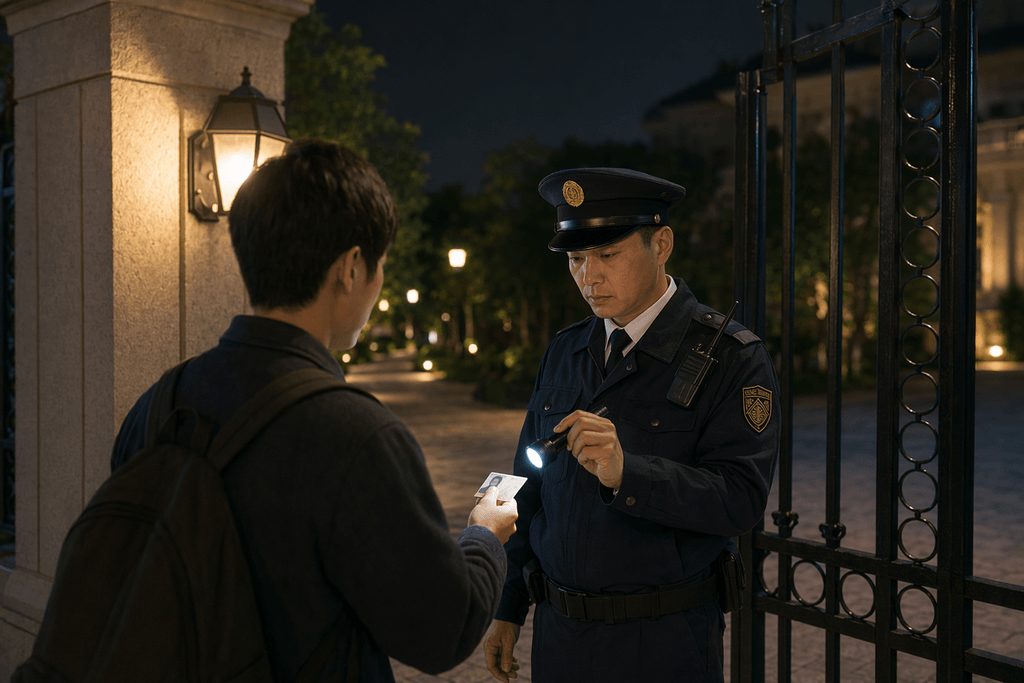
守衛
මුරකරු
守衛
මුරකරු
Explanation
守衛
මුරකරු
守衛
රැකවල්කරු / පාලකයා / දොරටු රැකකරු
( Base form )
( romanization )
( hiragana )
厳密
දැඩි / නිවැරදි
厳密
දැඩි / නිවැරදි
Explanation
厳密
දැඩි / නිවැරදි
厳密
දැඩි ලෙස / ඉතා නිරවද්ය / නිශ්චිත

Word Forms
The basic and commonly used forms of this adjectival noun.
Basic forms
| Form | Word form | Usage |
|---|---|---|
| Imperfective form (mizenkei) | Used in forms such as darou. | |
| Continuative form (renyokei) |
Alternative:
厳密に
厳密だっ
|
Used with de or ni. |
| Conclusive form (shushikei) | Ends a sentence with da. | |
| Attributive form (rentaikei) | Modifies a noun with na. | |
| Conditional form (kateikei) | Expresses a condition with nara. | |
| Imperative form (meireikei) | Used in formal expressions such as de are. |
Common forms
結合
සම්බන්ධනය
結合
සම්බන්ධනය
Explanation
結合
සම්බන්ධනය
結合
සංයෝජනය / අන්තර්සම්බන්ධය / බැඳීම

( Base form )
( romanization )
( hiragana )
監視
නිරීක්ෂණය
監視
නිරීක්ෂණය
Explanation
監視
නිරීක්ෂණය
監視
නිරීක්ෂණය / අධීක්ෂණය / විමසිල්ලෙන් බැලීම
මහජන සාමය පවත්වා ගැනීමේ නාමයෙන් රජය විසින් අධික ලෙස සෝදිසි කිරීම යුක්ති සහගත වුවද, පුරවැසියන්ගේ පෞද්ගලිකත්වය උල්ලංඝනය කිරීම නොසලකා හැරීමට නැඹුරු වේ.

( Base form )
( romanization )
( hiragana )
晴天
පැහැදිලි කාලගුණය
晴天
පැහැදිලි කාලගුණය
Explanation
晴天
පැහැදිලි කාලගුණය
晴天
පැහැදිලි අහස / නිල් අහස / පැහැදිලි කාලගුණය

( Base form )
( romanization )
( hiragana )
臨む
මුහුණලා සිටිනවා / සහභාගි වෙනවා
臨む
මුහුණලා සිටිනවා / සහභාගි වෙනවා
Explanation
臨む
මුහුණලා සිටිනවා / සහභාගි වෙනවා
臨む
මුහුණ දීමට/මුහුණලා සිටීමට / (දර්ශනයකට) මුහුණලා විහිදෙන්න/නැරඹෙන්න / (ස්ථානයකට) ලංවී එයට මුහුණලා සිටීමට

Word Forms
The basic and commonly used forms of this verb.
Basic forms
| Form | Word form | Usage |
|---|---|---|
| Imperfective form (mizenkei) |
Alternative:
臨も
|
Connects to endings such as nai, reru, and seru. |
| Continuative form (renyokei) | Connects to endings such as masu, tai, and ta. | |
| Conclusive form (shushikei) | Ends a sentence and serves as the dictionary form. | |
| Attributive form (rentaikei) | Modifies a noun. | |
| Conditional form (kateikei) | Combines with ba to express a condition. | |
| Imperative form (meireikei) | Expresses a command or instruction. |
Common forms
| Form | Word form | Usage |
|---|---|---|
| Te-form | Connects clauses with te. | |
| Ta-form | Expresses the past with ta. | |
| Nai-form | Expresses negation with nai. | |
| Masu-form | Used for polite speech. | |
| Ba-form | Expresses a condition with ba. | |
| Volitional form | Expresses intention or invitation. |
Notes
向き
දිශාව / ගැළපීම
向き
දිශාව / ගැළපීම
Explanation
向き
දිශාව / ගැළපීම
向き
දිශාව; අංගය/පැත්ත / (යමකට) සුදුසු බව; ඉලක්කය/අරමුණ / ප්රවණතාව; නැඹුරුව

( Base form )
( romanization )
アマチュア
ආධුනිකයා
アマチュア
ආධුනිකයා
Explanation
ආධුනිකයා
アマチュア
ආධුනිකයා / වෘත්තීය නොවන පුද්ගලයා / ආධුනික ක්රීඩක/කලාකරුවා
( romanization )
鬱陶しい
අඳුරු වූ / කරදරකාරී
鬱陶しい
අඳුරු වූ / කරදරකාරී
Explanation
鬱陶しい
අඳුරු වූ / කරදරකාරී
鬱陶しい
අසහනකාරී / කිරිබහිරකරන / අඳුරු හා මඳු (කාලගුණය)

Word Forms
The basic and commonly used forms of this adjective.
Basic forms
| Form | Word form | Usage |
|---|---|---|
| Imperfective form (mizenkei) | Used in forms such as karou; mainly literary. | |
| Continuative form (renyokei) |
Alternative:
鬱陶しかっ
|
Used in forms such as kute and kunai. |
| Conclusive form (shushikei) | Ends a sentence. | |
| Attributive form (rentaikei) | Modifies a noun. | |
| Conditional form (kateikei) | Expresses a condition with kereba. | |
| Imperative form (meireikei) | Rarely used in modern Japanese. |
Common forms
Loading...

JLPT N1 多言語単語帳・3032語 / JLPT N1 Multilingual Vocabulary: 3032 Words

Jonathan Waller 氏の JLPT Resources の語彙リスト・レベル分類を出典とし、CC BY の条件に従って DiQt が学習者向けに意味を作り直した3032語の単語帳です。JLPT公式の語彙リストではありません。
This collection of 3032 words is based on the vocabulary list and level classifications in Jonathan Waller’s JLPT Resources under CC BY, with meanings rewritten by DiQt for learners. It is not an official JLPT vocabulary list.
Key Operations
Select the first quiz:
Ctrl + Enter
View Explanation:Ctrl + G
Close a feedback:Esc
When selecting a quiz
Answer:Enter
Select a choice:↓ or ↑
Reading out the question:Ctrl + K
View Hint: Ctrl + M
I don't know: Ctrl + Y



