
JLPT N1 වචන අර්ථ පුහුණුව - Unsolved

පිළිතුරු විකල්ප හතරක් ඇති ප්රශ්න මඟින් JLPT N1 වචන 3032ක අර්ථ සිංහලෙන් ඉගෙන ගන්න.
-
කඳු බෑවුම
-
රුධිර නාලය
-
කර්තෘත්වය
-
සමානකම
-
වෙහෙස මහන්සිය
-
දෙවසර විද්යාලය
-
ඇණවුමට සාදවා ගන්නවා
-
නිදිකරවනවා / පදම් වෙන්න තබනවා
-
ගරු කරනවා / මඟ පෙන්වීම ඉල්ලනවා
-
රසිකයා / විදුලි පංකාව
-
අයදුම් කිරීම
-
ක්රියාකාරී අක්රමිකතාව
-
දිගේ යෑම
-
ආහාර සපයනවා / වියදම් දරනවා
-
ඇඟිලිවලින් ගන්නවා
-
ආදරය හා වෛරය
-
ස්වරූපය
-
ඉදිරිපත් කිරීම
-
බලවත් වෙනවා
-
හුරුපුරුදු වෙනවා
-
යටහත් වෙනවා / කෘතඥ වෙනවා
- 「指さす」とも表記する。
-
හරියටම
-
නිසැක යැයි සිතා
-
මුළු හදින්
-
මිනීමැරුම
-
වන කර්මාන්තය
-
අභ්යන්තර දුරකථනය
-
ඕනෑම දෙයක්
-
එසේ තිබියදීත්
-
කරුණාකර බලන්න
指令
නියෝගය
指令
නියෝගය
Explanation
指令
නියෝගය
指令
නියෝගය / උපදෙස්/නියමය / (පරිගණක) විධානය/කමන්ඩ්

( Base form )
( romanization )
( hiragana )
真理
විශ්වීය සත්යය
真理
විශ්වීය සත්යය
Explanation
真理
විශ්වීය සත්යය
真理
සත්යය / සත්යතාව / සත්ය දර්ශනය
ඔහු දිගු වසර ගණනාවක පර්යේෂණ හරහා, සත්යය එකම නිගමනයක් වඩාත් නොව, නිරන්තරයෙන් ප්රශ්න කරමින් සිටින ආකල්පය තුළම ප්රකාශ වන්නේ බව අවබෝධ කරගත්තේය.

( Base form )
( romanization )
( hiragana )
凌ぐ
අභිබවා යනවා / අපහසුතා මැඬගන්නවා
凌ぐ
අභිබවා යනවා / අපහසුතා මැඬගන්නවා
Explanation
凌ぐ
අභිබවා යනවා / අපහසුතා මැඬගන්නවා
凌ぐ
දුෂ්කරතාවයක්/පීඩනයක් ඉවසමින් පසුකරයන්න; තාවකාලිකව ගොඩයන්න / නැවතීමක් හෝ වළක්වාගැනීමක් කරමින් පසුදමන්න; හුස්ම ගසා නවතන්න / වෙනත් අය/දේවල් ඉක්මවා යන්න; ඉහළින් යන්න

Word Forms
The basic and commonly used forms of this verb.
Basic forms
| Form | Word form | Usage |
|---|---|---|
| Imperfective form (mizenkei) |
Alternative:
凌ご
|
Connects to endings such as nai, reru, and seru. |
| Continuative form (renyokei) |
Alternative:
凌い
|
Connects to endings such as masu, tai, and ta. |
| Conclusive form (shushikei) | Ends a sentence and serves as the dictionary form. | |
| Attributive form (rentaikei) | Modifies a noun. | |
| Conditional form (kateikei) | Combines with ba to express a condition. | |
| Imperative form (meireikei) | Expresses a command or instruction. |
Common forms
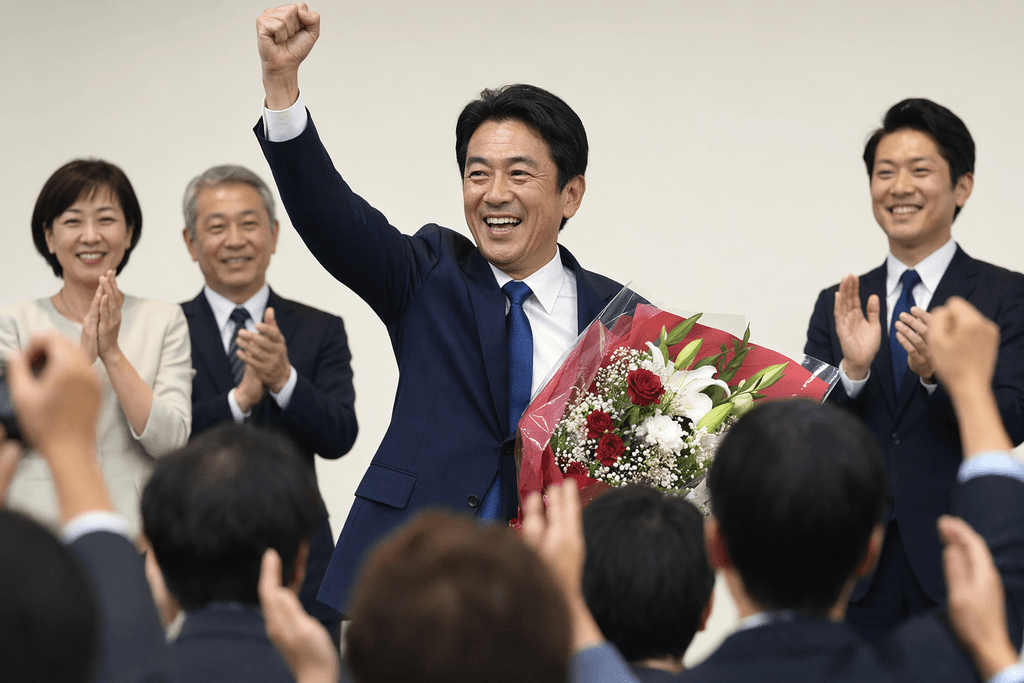
当選
තේරී පත්වීම / දිනුම ලැබීම
当選
තේරී පත්වීම / දිනුම ලැබීම
Explanation
当選
තේරී පත්වීම / දිනුම ලැබීම
当選
මැතිවරණයකින් ජයග්රහණය / මැතිවරණයෙන් තේරී පත්වීම
අපකීර්තියෙන් පසු ඔහුගේ අනුමත ශ් රේණිගත කිරීම් පහත වැටී තිබියදීත්, ඔහුගේ මැතිවරණ ජයග් රහණය විස්තර කරන ලද්දේ දේශීය ආර්ථිකය පුනර්ජීවනය සඳහා දිගටම පෙනී සිටි ස්ථාවර ව් යාපාරයේ ප් රති result ලයක් ලෙසය.
( Base form )
( romanization )
( hiragana )
仕上げる
නිම කරනවා
仕上げる
නිම කරනවා
Explanation
仕上げる
නිම කරනවා
仕上げる
අවසන් කිරීම / නිම කර දමනවා / සකස් කර සම්පූර්ණ කරනවා

Word Forms
The basic and commonly used forms of this verb.
Basic forms
| Form | Word form | Usage |
|---|---|---|
| Imperfective form (mizenkei) | Connects to endings such as nai, reru, and seru. | |
| Continuative form (renyokei) | Connects to endings such as masu, tai, and ta. | |
| Conclusive form (shushikei) | Ends a sentence and serves as the dictionary form. | |
| Attributive form (rentaikei) | Modifies a noun. | |
| Conditional form (kateikei) | Combines with ba to express a condition. | |
| Imperative form (meireikei) |
Alternative:
仕上げよ
|
Expresses a command or instruction. |
Common forms
代
මිල
代
මිල
Explanation
代
මිල
代
මිලය / වියදම / පරම්පරාව / පරම්පරාය / යුගය / රාජ්යකාලය

( romanization )
( hiragana )
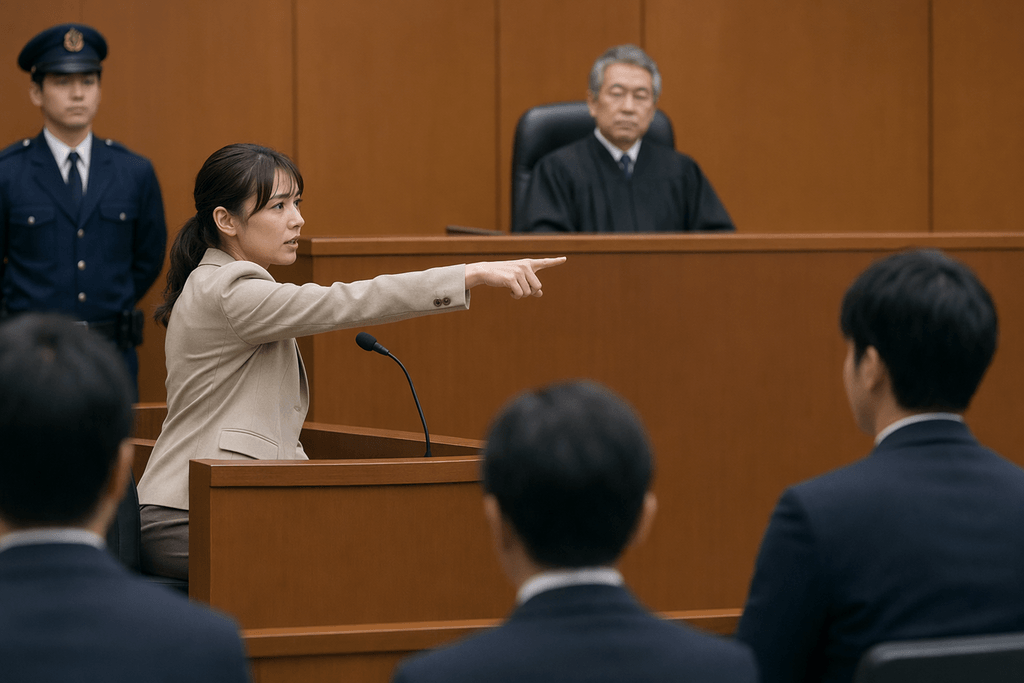
指差す
ඇඟිල්ලෙන් පෙන්වනවා
指差す
ඇඟිල්ලෙන් පෙන්වනවා
Explanation
指差す
ඇඟිල්ලෙන් පෙන්වනවා
指差す
ඇඟිල්ලෙන් පෙන්වන්න / යොමු කර පෙන්වන්න / සටහන් කර පෙන්වන්න
Word Forms
The basic and commonly used forms of this verb.
Basic forms
| Form | Word form | Usage |
|---|---|---|
| Imperfective form (mizenkei) |
Alternative:
指差そ
指ささ
指さそ
|
Connects to endings such as nai, reru, and seru. |
| Continuative form (renyokei) |
Alternative:
指さし
|
Connects to endings such as masu, tai, and ta. |
| Conclusive form (shushikei) |
Alternative:
指さす
|
Ends a sentence and serves as the dictionary form. |
| Attributive form (rentaikei) |
Alternative:
指さす
|
Modifies a noun. |
| Conditional form (kateikei) |
Alternative:
指させ
|
Combines with ba to express a condition. |
| Imperative form (meireikei) |
Alternative:
指させ
|
Expresses a command or instruction. |
Common forms
| Form | Word form | Usage |
|---|---|---|
| Te-form |
Alternative:
指さして
|
Connects clauses with te. |
| Ta-form |
Alternative:
指さした
|
Expresses the past with ta. |
| Nai-form |
Alternative:
指ささない
|
Expresses negation with nai. |
| Masu-form |
Alternative:
指さします
|
Used for polite speech. |
| Ba-form |
Alternative:
指させば
|
Expresses a condition with ba. |
| Volitional form |
Alternative:
指さそう
|
Expresses intention or invitation. |
Notes
適宜
සුදුසු ලෙස
適宜
සුදුසු ලෙස
Explanation
適宜
සුදුසු ලෙස
適宜
සුදුසු ලෙස / අවශ්ය පරිදි / තම කැමැත්තෙන් සුදුසු විට

( Base form )
( romanization )
( adnominal )
( adverbial )
( hiragana )
( table-tags )
( inflection-template )
( imperfective stem )
( imperfective stem )
( imperfective )
( continuative stem )
( continuative stem )
( continuative )
( stem terminative )
( stem terminative )
( terminative )
( attributive stem )
( attributive stem )
( attributive )
( hypothetical stem )
( hypothetical stem )
( hypothetical )
( Imperative stem )
( Imperative stem )
( Imperative )
( informal negative )
( informal negative )
( informal negative )
( informal negative )
( informal negative )
( informal negative )
( informal Past )
( informal Past )
( informal Past )
( informal negative Past )
( informal negative Past )
( informal negative Past )
( informal negative Past )
( informal negative Past )
( informal negative Past )
( formal )
( formal )
( formal )
( formal negative )
( formal negative )
( formal negative )
( formal negative )
( formal negative )
( formal negative )
( formal Past )
( formal Past )
( formal Past )
( formal negative Past )
( formal negative Past )
( formal negative Past )
( formal negative Past )
( formal negative Past )
( formal negative Past )
( conjunctive )
( conjunctive )
( conjunctive )
( Conditional )
( Conditional )
( Conditional )
( Conditional Past )
( Conditional Past )
( Conditional Past )
( volitional )
( volitional )
( volitional )
( adverbial )
( adverbial )
( adverbial )
( noun-from-adj )
( noun-from-adj )
( noun-from-adj )
未練
අත්හැරිය නොහැකි ඇල්ම
未練
අත්හැරිය නොහැකි ඇල්ම
Explanation
未練
අත්හැරිය නොහැකි ඇල්ම
未練
අත්හැරීමට අකමැත්ත / තවමත් ඇලී සිටින හැඟීම / නොමකුණු වූ සෙනෙහස/ඇලීම

( Base form )
( romanization )
( hiragana )
事によると
සමහරවිට
事によると
සමහරවිට
Explanation
事によると
සමහරවිට
事によると
සමහරවිට / ඇතිවිය හැක / විය හැකි බව
Loading...

JLPT N1 多言語単語帳・3032語 / JLPT N1 Multilingual Vocabulary: 3032 Words

Jonathan Waller 氏の JLPT Resources の語彙リスト・レベル分類を出典とし、CC BY の条件に従って DiQt が学習者向けに意味を作り直した3032語の単語帳です。JLPT公式の語彙リストではありません。
This collection of 3032 words is based on the vocabulary list and level classifications in Jonathan Waller’s JLPT Resources under CC BY, with meanings rewritten by DiQt for learners. It is not an official JLPT vocabulary list.
Key Operations
Select the first quiz:
Ctrl + Enter
View Explanation:Ctrl + G
Close a feedback:Esc
When selecting a quiz
Answer:Enter
Select a choice:↓ or ↑
Reading out the question:Ctrl + K
View Hint: Ctrl + M
I don't know: Ctrl + Y



