
JLPT N1 වචන අර්ථ පුහුණුව - Unsolved

පිළිතුරු විකල්ප හතරක් ඇති ප්රශ්න මඟින් JLPT N1 වචන 3032ක අර්ථ සිංහලෙන් ඉගෙන ගන්න.
-
අයිතිය / බලතල
-
කඩය
-
සමාගම
-
පළමු දුම්රිය
-
මවාපෑම
-
නීති පැනවීම
-
අවහිරය / අරමුදල් අත්හිටුවීම
-
ඉහළ නිලධාරියා
-
විශේෂිත අධ්යයනය
-
මුහුදු මට්ටමට ඉහළ උස
-
ඔත්තේ සංඛ්යාව
-
පුනරුදය
-
නොඉවසිලිමත් වෙනවා
-
සායම් වැටෙනවා
-
ස්වයං විමර්ශනය කරනවා
- 「堪える(たえる)」は下一段活用。文脈により「耐える」とも表記される。
-
අනනවා / සැලැස්ම වැඩිදියුණු කරනවා
-
මඟ පෙන්වනවා
-
වරදක් කරනවා / අසාර්ථක වෙනවා
-
බැහැදැකීමට පැමිණීම
-
පිරිහීම
-
කාණුව / කට්ටය
-
කැමැත්ත පරිදි
-
අත ළඟ
-
නිතර සිදුවන
-
රාජ්ය හිමිකාරිත්වය
-
කණ්ඩායම් ඒකකය
-
තුවාලය
-
පිළිකාව
-
ප්රතිප්රහාරය
-
පිහිටීමේ වෙනස / නොගැළපීම
〜歳
වයස් අවුරුදු
〜歳
වයස් අවුරුදු
Explanation
〜歳
වයස් අවුරුදු
〜歳
වයස … අවුරුදු / … වයසේ

( romanization )
( hiragana )
フロント
පිළිගැනීමේ කවුළුව / ඉදිරිපස
フロント
පිළිගැනීමේ කවුළුව / ඉදිරිපස
Explanation
පිළිගැනීමේ කවුළුව / ඉදිරිපස
フロント
(හෝටල් ආදියේ) පිළිගැනීමේ කවුන්ටරය / ඉදිරිපස; මුහුණත / ඉදිරි රේඛාව (යුධ/ක්රීඩා)
නවාතැන් ගත් අමුත්තන්ගෙන් පැමිණි පැමිණිලි අඛණ්ඩව ඉදිරිපත් වූ බැවින්, කළමනාකරුට ඉදිරිපස කවුන්ටරයේ ප්රතිචාර දැක්වීමේ ක්රියාපටිපාටි මූලිකවම යළි සමාලෝචනය කිරීමට සිදුවිය.

( romanization )
甘口
පැණි රස / ලිහිල් විනිශ්චය
甘口
පැණි රස / ලිහිල් විනිශ්චය
Explanation
甘口
පැණි රස / ලිහිල් විනිශ්චය
甘口
පැණිරස (රස) / මෘදු රසය / අඩු තිත්ත/අඩු සැර රසය
ඔහු තමන් මසුරු රසට කැමති කෙනා බව කියාගෙන ඉන්න කෙනෙක් වුණත්, වයින් පිළිබඳ ඔහුගේ රුචිය විතරක් නම් මිහිරි රසටයි; ඒ වගේම කෑමත් එක්ක ඒක ගැළපෙන හැටි ගැන කතා කරන වෙලාවටත් අමුතු ලෙසම අතිශය වාචාල වෙනවා.

( Base form )
( romanization )
( hiragana )
つかいみち
ප්රයෝජනය
つかいみち
ප්රයෝජනය
Explanation
ප්රයෝජනය
つかいみち
භාවිතය / භාවිත කරන ක්රමය / යොදාගැනීමේ මාර්ගය

( romanization )
( romanization )
( hiragana historical )
堪える
ඉවසා සිටිනවා / මැඩපවත්වනවා
堪える
ඉවසා සිටිනවා / මැඩපවත්වනවා
Explanation
堪える
ඉවසා සිටිනවා / මැඩපවත්වනවා
堪える
ඉවසන්න/දරාගන්න / (කඳුළු හෝ සිනා වැනි දෙයක්) නවත්වගන්න බැරිවීම

Word Forms
The basic and commonly used forms of this verb.
Basic forms
| Form | Word form | Usage |
|---|---|---|
| Imperfective form (mizenkei) | Connects to endings such as nai, reru, and seru. | |
| Continuative form (renyokei) | Connects to endings such as masu, tai, and ta. | |
| Conclusive form (shushikei) | Ends a sentence and serves as the dictionary form. | |
| Attributive form (rentaikei) | Modifies a noun. | |
| Conditional form (kateikei) | Combines with ba to express a condition. | |
| Imperative form (meireikei) |
Alternative:
堪えよ
|
Expresses a command or instruction. |
Common forms
| Form | Word form | Usage |
|---|---|---|
| Te-form | Connects clauses with te. | |
| Ta-form | Expresses the past with ta. | |
| Nai-form | Expresses negation with nai. | |
| Masu-form | Used for polite speech. | |
| Ba-form | Expresses a condition with ba. | |
| Volitional form | Expresses intention or invitation. |
Notes
労る
කරුණාවෙන් රැකබලා ගන්නවා
労る
කරුණාවෙන් රැකබලා ගන්නවා
Explanation
労る
කරුණාවෙන් රැකබලා ගන්නවා
労る
සැනසීමෙන් හෝ අනුකම්පායෙන් බලමින් උදව් කිරීම / රැකබලා සත්කාර කිරීම / කලබල දුකක් ඇති විට පසුතැවීම සහ සැනසීම පෙන්වීම

Word Forms
The basic and commonly used forms of this verb.
Basic forms
| Form | Word form | Usage |
|---|---|---|
| Imperfective form (mizenkei) | Connects to endings such as nai, reru, and seru. | |
| Continuative form (renyokei) | Connects to endings such as masu, tai, and ta. | |
| Conclusive form (shushikei) | Ends a sentence and serves as the dictionary form. | |
| Attributive form (rentaikei) | Modifies a noun. | |
| Conditional form (kateikei) | Combines with ba to express a condition. | |
| Imperative form (meireikei) | Expresses a command or instruction. |
Common forms
天国
ස්වර්ගය
天国
ස්වර්ගය
Explanation
天国
ස්වර්ගය
天国
ස්වර්ගය / දෙවලොව / පරලොව

( Base form )
( romanization )
( kyūjitai )
( hiragana )
良質
උසස් තත්ත්වයේ
良質
උසස් තත්ත්වයේ
Explanation
良質
උසස් තත්ත්වයේ
良質
උසස් තත්ත්වයේ / හොඳ ගුණාත්මක / ප්රමුඛ තත්ත්වයේ

Word Forms
The basic and commonly used forms of this adjectival noun.
Basic forms
| Form | Word form | Usage |
|---|---|---|
| Imperfective form (mizenkei) | Used in forms such as darou. | |
| Continuative form (renyokei) |
Alternative:
良質に
|
Used with de or ni. |
| Conclusive form (shushikei) | Ends a sentence with da. | |
| Attributive form (rentaikei) | Modifies a noun with na. | |
| Conditional form (kateikei) | Expresses a condition with nara. | |
| Imperative form (meireikei) | Used in formal expressions such as de are. |
Common forms
施行
බලාත්මක කිරීම
施行
බලාත්මක කිරීම
Explanation
施行
බලාත්මක කිරීම
施行
ක්රියාත්මක කිරීම / විධිවිධාන/නීති බලපැවැත්වීම / අනුෂ්ඨානය

( Base form )
( romanization )
( hiragana )
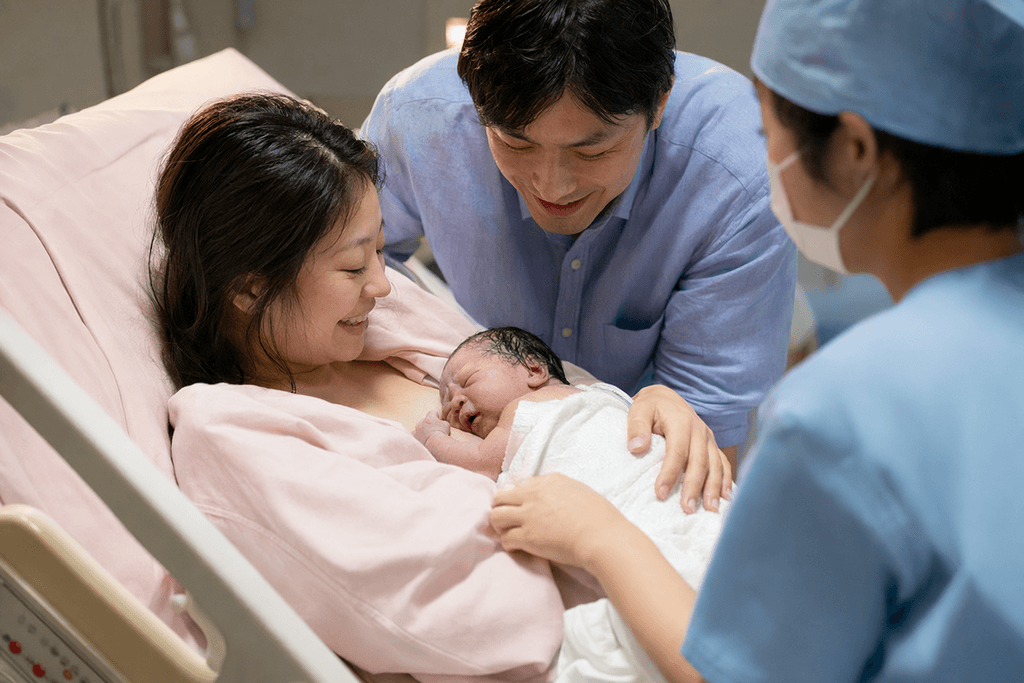
出生
උපත
出生
උපත
Explanation
出生
උපත
出生
උපත / උපන්ම / ජන්මය
( Base form )
( romanization )
( romanization )
( hiragana )
Loading...

JLPT N1 多言語単語帳・3032語 / JLPT N1 Multilingual Vocabulary: 3032 Words

Jonathan Waller 氏の JLPT Resources の語彙リスト・レベル分類を出典とし、CC BY の条件に従って DiQt が学習者向けに意味を作り直した3032語の単語帳です。JLPT公式の語彙リストではありません。
This collection of 3032 words is based on the vocabulary list and level classifications in Jonathan Waller’s JLPT Resources under CC BY, with meanings rewritten by DiQt for learners. It is not an official JLPT vocabulary list.
Key Operations
Select the first quiz:
Ctrl + Enter
View Explanation:Ctrl + G
Close a feedback:Esc
When selecting a quiz
Answer:Enter
Select a choice:↓ or ↑
Reading out the question:Ctrl + K
View Hint: Ctrl + M
I don't know: Ctrl + Y



