
JLPT N1 වචන අර්ථ පුහුණුව - Unsolved

පිළිතුරු විකල්ප හතරක් ඇති ප්රශ්න මඟින් JLPT N1 වචන 3032ක අර්ථ සිංහලෙන් ඉගෙන ගන්න.
-
එකට යනවා / කැමැත්තට ගැළපෙනවා
-
ඇතිල්ලී ගෙවෙනවා / ලෝකයට හුරු වෙනවා
-
තෙතමනය උරාගන්නවා
-
ප්රකාශනයක් ආරම්භ කිරීම
-
පාෂාණය
-
කොටස් බෙදාදීම
-
මැටි බඳුන
-
අයදුම්පත
-
ඉතිරි මුදල
-
ගනුදෙනුව
-
ෆොසිලය
-
ජපන් පාඨය
-
ගසේ වාර්ෂික වළල්ල
-
පියවර / ප්රගතිය
-
නිකුත් කිරීම
-
රැකියා ස්ථානය
-
කාලසටහන
-
වීදිය
-
පොළොව යට සම්පත්
-
මළපහ
-
වෙළඳපොළ මිල
-
දෙසට මුහුණලා තිබෙනවා
-
නම් කරනවා / කියාගන්නවා
-
කැපී පෙනී ලස්සන වෙනවා
- 「浚う」「渫う」は五段活用。未然形は否定接続の「さらわ」と、意志形に現れる「さらお」がある。
-
ඉඩම් හිමියා
-
භෞතික වස්තුව
-
දඩයම
-
සැහැල්ලු / ප්රාණවත්
-
දැඩි ස්ථාවරයක ඇති
-
යහපත් හදවතැති
励ます
දිරිමත් කරනවා
励ます
දිරිමත් කරනවා
Explanation
励ます
දිරිමත් කරනවා
励ます
ධෛර්ය දීම / උද්යෝග ගැන්වීම / සැනසීම හා සහාය වීම

Word Forms
The basic and commonly used forms of this verb.
Basic forms
| Form | Word form | Usage |
|---|---|---|
| Imperfective form (mizenkei) |
Alternative:
励まそ
|
Connects to endings such as nai, reru, and seru. |
| Continuative form (renyokei) | Connects to endings such as masu, tai, and ta. | |
| Conclusive form (shushikei) | Ends a sentence and serves as the dictionary form. | |
| Attributive form (rentaikei) | Modifies a noun. | |
| Conditional form (kateikei) | Combines with ba to express a condition. | |
| Imperative form (meireikei) | Expresses a command or instruction. |
Common forms
独占
ඒකාධිකාරය
独占
ඒකාධිකාරය
Explanation
独占
ඒකාධිකාරය
独占
ඒකපාර්ශවික පාලනය/මොනොපොලිය / අන්යයන්ට නොදී එකටම අයිතිව තබාගැනීම (එක්ස්ක්ලූසීව් අයිතිය) / වෙළඳපොළ හෝ ව්යාපාරයක් එකම පාර්ශවයක් විසින් පාලනය කිරීම

( Base form )
( romanization )
( kyūjitai )
( hiragana )
短波
කෙටි තරංග
短波
කෙටි තරංග
Explanation
短波
කෙටි තරංග
短波
කෙටි තරංගය / කෙටි තරංග විකිරණය/රේඩියෝ තරංගය

( Base form )
( romanization )
( hiragana )
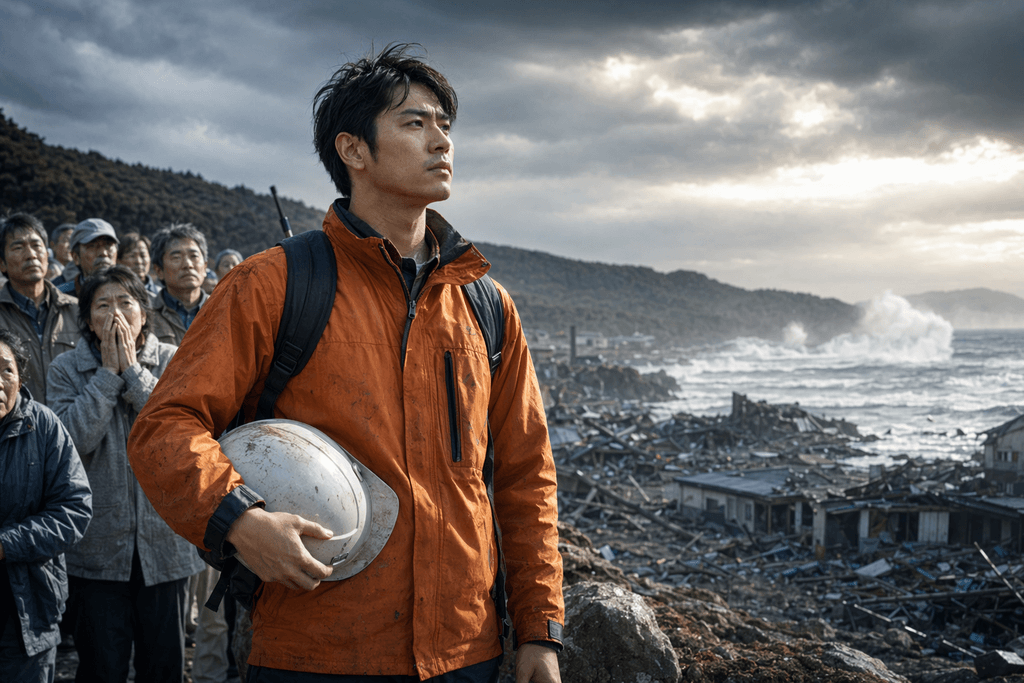
使命
මෙහෙවර
使命
මෙහෙවර
Explanation
使命
මෙහෙවර
使命
මෙහෙවර / වගකීමේ හැඟීම / ජීවිත අරමුණ / කැඳවීම
( Base form )
( romanization )
( hiragana )
原油
බොරතෙල්
原油
බොරතෙල්
Explanation
原油
බොරතෙල්
原油
අමු තෙල් / කර්මාන්තයට පෙර පිරිපහදු නොකළ පෙට්රෝලියම් තෙල්

( Base form )
( romanization )
( hiragana )
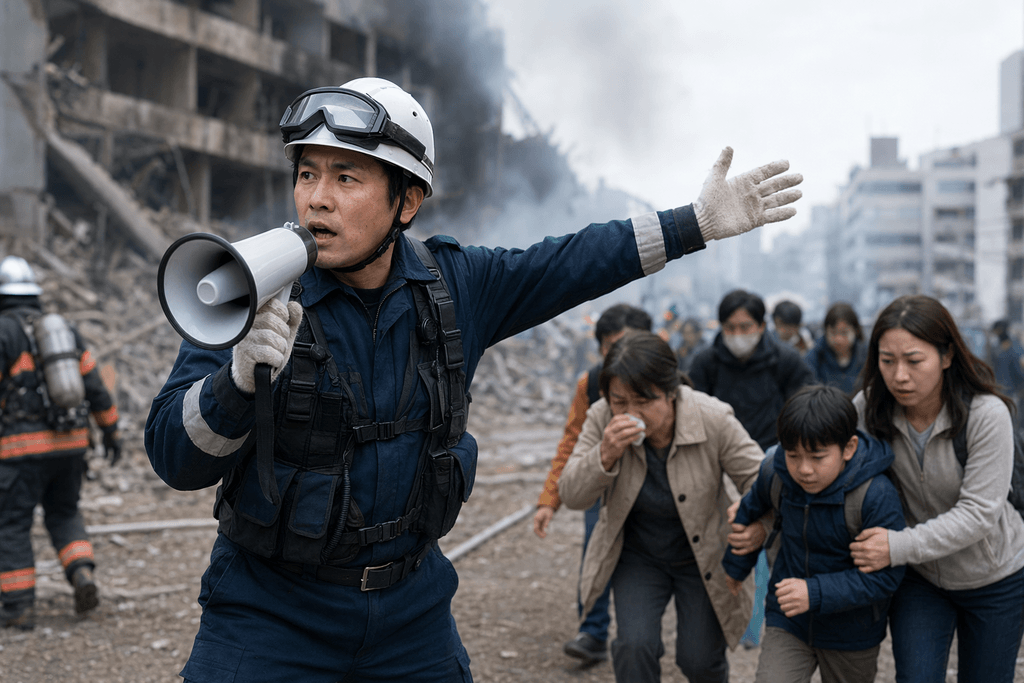
指揮
අණ දීම / වාදක මණ්ඩල මෙහෙයවීම
指揮
අණ දීම / වාදක මණ්ඩල මෙහෙයවීම
Explanation
指揮
අණ දීම / වාදක මණ්ඩල මෙහෙයවීම
指揮
අණදීම; නායකත්වයෙන් මෙහෙයවීම / (සංගීතයේ) නායකත්වයෙන් වාදනය/ගායනය මෙහෙයවීම
( Base form )
( romanization )
( hiragana )
除外
ඉවත් කිරීම
除外
ඉවත් කිරීම
Explanation
除外
ඉවත් කිරීම
除外
වෙනම කර දැමීම / ඉවත් කිරීම / ව්යතිරේක කිරීම

( Base form )
( romanization )
( hiragana )
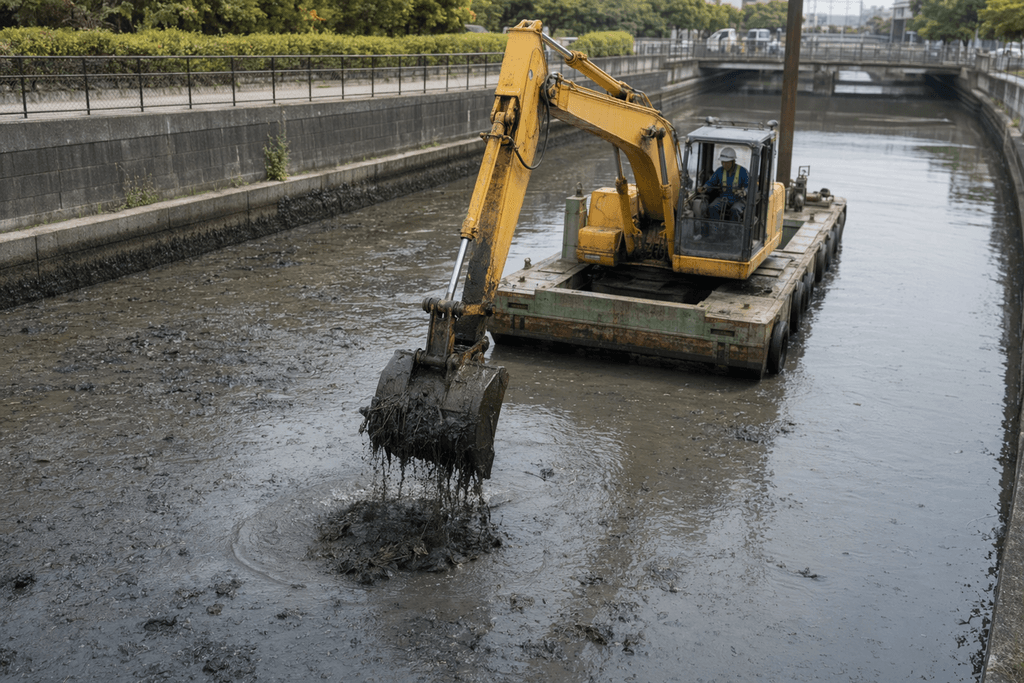
さらう
ගසාගෙන යෑම / පැහැරගෙන යෑම
さらう
ගසාගෙන යෑම / පැහැරගෙන යෑම
Explanation
ගසාගෙන යෑම / පැහැරගෙන යෑම
さらう
ඉතිරි නොවෙන ලෙස සම්පූර්ණයෙන්ම පිරිසිදු කර ඉවත් කිරීම / (දෑ) සම්පූර්ණයෙන්ම ගෙන/සෝදා ඉවත් කිරීම, අතුල්ලමින් අතුල්ලන ලෙස කඩිනමින් ඉවත් කිරීම
පරණ වී ගිය කැනාලයේ මැටි හා වැලි තැන්පත් වීම නිසා ජල ප්රවාහය දුර්වල වූ අතර, පළාත් පාලන ආයතනය විශේෂඥ සේවා සපයන්නෙකුට භාර දී නියමිත කාලවලදී කැනාලයේ පතුල පිරිසිදු කිරීමට තීරණය කළා.
Word Forms
The basic and commonly used forms of this verb.
Basic forms
| Form | Word form | Usage |
|---|---|---|
| Imperfective form (mizenkei) |
Alternative:
さらお
|
Connects to endings such as nai, reru, and seru. |
| Continuative form (renyokei) | Connects to endings such as masu, tai, and ta. | |
| Conclusive form (shushikei) | Ends a sentence and serves as the dictionary form. | |
| Attributive form (rentaikei) | Modifies a noun. | |
| Conditional form (kateikei) | Combines with ba to express a condition. | |
| Imperative form (meireikei) | Expresses a command or instruction. |
Common forms
| Form | Word form | Usage |
|---|---|---|
| Te-form | Connects clauses with te. | |
| Ta-form | Expresses the past with ta. | |
| Nai-form | Expresses negation with nai. | |
| Masu-form | Used for polite speech. | |
| Ba-form | Expresses a condition with ba. | |
| Volitional form | Expresses intention or invitation. |
Notes
液
ද්රවය
液
ද්රවය
Explanation
液
ද්රවය
液
ද්රවය / දියර / ද්රව තත්ත්වය

( romanization )
( hiragana )
静的
ස්ථිතික
静的
ස්ථිතික
Explanation
静的
ස්ථිතික
静的
ස්ථිතික / නිශ්චල / ක්රියාකාරී නොවන
ඔහු ස්ථිතික දත්ත පමණක් මත රඳා සිටීම ප්රමාණවත් නොවන බව අවබෝධ කරගෙන, තත්ත්වයට අනුව ගතික ලෙස යුධනීතිය නැවත සංවිධානය කිරීමේ අවශ්යතාවය උද්ධරනය කළේය.

Word Forms
The basic and commonly used forms of this adjectival noun.
Basic forms
| Form | Word form | Usage |
|---|---|---|
| Imperfective form (mizenkei) | Used in forms such as darou. | |
| Continuative form (renyokei) |
Alternative:
静的に
|
Used with de or ni. |
| Conclusive form (shushikei) | Ends a sentence with da. | |
| Attributive form (rentaikei) | Modifies a noun with na. | |
| Conditional form (kateikei) | Expresses a condition with nara. | |
| Imperative form (meireikei) | Used in formal expressions such as de are. |
Common forms
Loading...

JLPT N1 多言語単語帳・3032語 / JLPT N1 Multilingual Vocabulary: 3032 Words

Jonathan Waller 氏の JLPT Resources の語彙リスト・レベル分類を出典とし、CC BY の条件に従って DiQt が学習者向けに意味を作り直した3032語の単語帳です。JLPT公式の語彙リストではありません。
This collection of 3032 words is based on the vocabulary list and level classifications in Jonathan Waller’s JLPT Resources under CC BY, with meanings rewritten by DiQt for learners. It is not an official JLPT vocabulary list.
Key Operations
Select the first quiz:
Ctrl + Enter
View Explanation:Ctrl + G
Close a feedback:Esc
When selecting a quiz
Answer:Enter
Select a choice:↓ or ↑
Reading out the question:Ctrl + K
View Hint: Ctrl + M
I don't know: Ctrl + Y



