
JLPT N1 වචන අර්ථ පුහුණුව - Unsolved

පිළිතුරු විකල්ප හතරක් ඇති ප්රශ්න මඟින් JLPT N1 වචන 3032ක අර්ථ සිංහලෙන් ඉගෙන ගන්න.
-
කලකිරෙනවා / පහළ වැටෙනවා
-
දිවුරනවා
-
සෙනඟින් පිරෙනවා / සමෘද්ධ වෙනවා
-
සමගිය
-
නින්දේ ගොරවීම
-
මුත්රා
-
පුණ්ය ආධාර දෙනවා
-
දඟලනවා
-
නම් කරනවා / කියාගන්නවා
-
අහස
-
සැපයීම
-
ලීවරය / අක්මාව
-
දුප්පත්කම / හිඟකම
-
අභිලාෂය
-
උද්යෝගය
-
ප්රගතිය / කාලය ගත වීම
-
එකඟතාවකට එළඹීම
-
ජාතික ආරක්ෂාව
-
දෝංකාරය / මහජන ප්රතිචාරය
-
ඉහළ යෑම
-
ප්රශ්නාවලිය
-
ලේ ගැලීම
-
ඇඳුම් පැළඳුම්
-
මියගිය තැනැත්තා
-
පසුබසිනවා
-
ආශාවෙන් සිහි කරනවා / ආදරයෙන් අගය කරනවා
-
දෙසට මුහුණලා තිබෙනවා
- カ行下一段活用。
- 表記ゆれとして「引っかける」も用いられる。
-
සමඟ එනවා
-
රංචු ගැසෙනවා
-
නිහතමානී වෙනවා
背く
අකීකරු වෙනවා / විරුද්ධ වෙනවා
背く
අකීකරු වෙනවා / විරුද්ධ වෙනවා
Explanation
背く
අකීකරු වෙනවා / විරුද්ධ වෙනවා
背く
අකමැතිව/විරෝධයෙන් ක්රියා කිරීම; ආඥාවකට නොඇතුළත් වීම / නීතියක්/නියමයක් උල්ලංඝනය කිරීම; එකඟතාවයක් බිඳ දැමීම / දූෂණය කිරීම; පක්ෂය හෝ රටට විරුද්ධව ද්රෝහී වීම

Word Forms
The basic and commonly used forms of this verb.
Basic forms
| Form | Word form | Usage |
|---|---|---|
| Imperfective form (mizenkei) |
Alternative:
背こ
|
Connects to endings such as nai, reru, and seru. |
| Continuative form (renyokei) | Connects to endings such as masu, tai, and ta. | |
| Conclusive form (shushikei) | Ends a sentence and serves as the dictionary form. | |
| Attributive form (rentaikei) | Modifies a noun. | |
| Conditional form (kateikei) | Combines with ba to express a condition. | |
| Imperative form (meireikei) | Expresses a command or instruction. |
Common forms
採用
බඳවා ගැනීම / යොදාගැනීම
採用
බඳවා ගැනීම / යොදාගැනීම
Explanation
採用
බඳවා ගැනීම / යොදාගැනීම
採用
බඳවාගැනීම / තෝරාපත් කිරීම / ක්රමයක් හෝ ප්රතිපත්තියක් අනුගමනය කිරීම

( Base form )
( romanization )
( hiragana )
出尽くす
සියල්ල පිටවෙනවා
出尽くす
සියල්ල පිටවෙනවා
Explanation
出尽くす
සියල්ල පිටවෙනවා
出尽くす
සම්පූර්ණයෙන්ම අවසන්වීම / සම්පූර්ණයෙන්ම භාවිතා වී ඉවර වීම / සියල්ලම එළියට/හෙළි වීම

Word Forms
The basic and commonly used forms of this verb.
Basic forms
| Form | Word form | Usage |
|---|---|---|
| Imperfective form (mizenkei) |
Alternative:
出尽くそ
|
Connects to endings such as nai, reru, and seru. |
| Continuative form (renyokei) | Connects to endings such as masu, tai, and ta. | |
| Conclusive form (shushikei) | Ends a sentence and serves as the dictionary form. | |
| Attributive form (rentaikei) | Modifies a noun. | |
| Conditional form (kateikei) | Combines with ba to express a condition. | |
| Imperative form (meireikei) | Expresses a command or instruction. |
Common forms
お産
දරු ප්රසූතිය
お産
දරු ප්රසූතිය
Explanation
お産
දරු ප්රසූතිය
お産
දරු ප්රසවය / දරු උපත / ප්රසව කිරීම
දරු උපතට දිනය ලංවෙමින් යන තරමට, ඇය දායකාව සමඟ උපදේශනය කරමින් නිවසේදී දරු උපත සඳහා සූදානම් විය, හදිසි අවස්ථාවක් ඇතිවුවහොත් රැගෙන යාමට නියමිත රෝහලද පෙරමුණින්ම තීරණය කරගෙන තිබුණා.

了解
අවබෝධය / කැමැත්ත
了解
අවබෝධය / කැමැත්ත
Explanation
了解
අවබෝධය / කැමැත්ත
了解
අවබෝධය / තේරුම්ගැනීම / එකඟතාව
ඔහුගේ අපැහැදිලි පැහැදිලි කිරීම පිළිබඳ මතුපිටින් අවබෝධයක් සඳහා අප පදිංචි නොවිය යුතුය, නමුත් එය පිටුපස ඇති ආයතනික උපකල්පන පවා ගැඹුරින් පරීක්ෂා කළ යුතුය.

( Base form )
( romanization )
( hiragana )
弁論
තර්ක ඉදිරිපත් කිරීම
弁論
තර්ක ඉදිරිපත් කිරීම
Explanation
弁論
තර්ක ඉදිරිපත් කිරීම
弁論
තර්ක වාදය / වාද විවාදය / චර්චාව
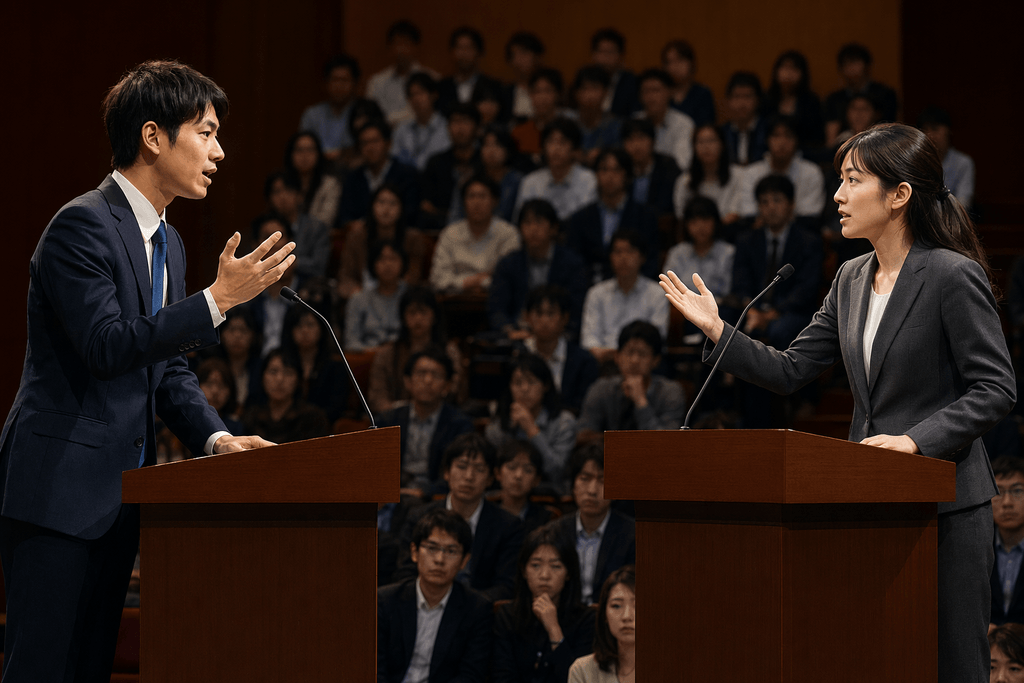
ゆとり
ඉඩකඩ
ゆとり
ඉඩකඩ
Explanation
ඉඩකඩ
ゆとり
ඉඩකඩ;余裕 / සහනය; ඉතිරිය/ලීවේ (ක්රියාකාරකම් සඳහා) / (අපහාස) ‘යුතොරි’ අධ්යාපනයෙන් හැදුණු පුද්ගලයා

( romanization )
酸化
ඔක්සිකරණය
酸化
ඔක්සිකරණය
Explanation
酸化
ඔක්සිකරණය
酸化
ඔක්සිකරණය / ඔක්සිකරණ ප්රක්රියාව

( Base form )
( romanization )
( hiragana )
引っ掛ける
කොක්කෙන් අල්ලනවා / උගුලට හසුකරනවා
引っ掛ける
කොක්කෙන් අල්ලනවා / උගුලට හසුකරනවා
Explanation
引っ掛ける
කොක්කෙන් අල්ලනවා / උගුලට හසුකරනවා
引っ掛ける
අල්ලාගෙන වැටෙන්න/අටවලා ගැටෙන්න / (දියරයක්) ඉහිරවන්න/චාප් කරන්න / (කෙනෙකු) රවටන්න/හිංදා කරන්න

Word Forms
The basic and commonly used forms of this verb.
Basic forms
| Form | Word form | Usage |
|---|---|---|
| Imperfective form (mizenkei) |
Alternative:
引っかけ
|
Connects to endings such as nai, reru, and seru. |
| Continuative form (renyokei) |
Alternative:
引っかけ
|
Connects to endings such as masu, tai, and ta. |
| Conclusive form (shushikei) |
Alternative:
引っかける
|
Ends a sentence and serves as the dictionary form. |
| Attributive form (rentaikei) |
Alternative:
引っかける
|
Modifies a noun. |
| Conditional form (kateikei) |
Alternative:
引っかけれ
|
Combines with ba to express a condition. |
| Imperative form (meireikei) |
Alternative:
引っ掛けよ
引っかけろ
引っかけよ
|
Expresses a command or instruction. |
Common forms
| Form | Word form | Usage |
|---|---|---|
| Te-form |
Alternative:
引っかけて
|
Connects clauses with te. |
| Ta-form |
Alternative:
引っかけた
|
Expresses the past with ta. |
| Nai-form |
Alternative:
引っかけない
|
Expresses negation with nai. |
| Masu-form |
Alternative:
引っかけます
|
Used for polite speech. |
| Ba-form |
Alternative:
引っかければ
|
Expresses a condition with ba. |
| Volitional form |
Alternative:
引っかけよう
|
Expresses intention or invitation. |
Notes
絡む
පැටලෙනවා / සම්බන්ධ වෙනවා
絡む
පැටලෙනවා / සම්බන්ධ වෙනවා
Explanation
絡む
පැටලෙනවා / සම්බන්ධ වෙනවා
絡む
පැටලී යාම / බැඳී ඇල්ලි යාම / සම්බන්ධ වීම / මැදිහත් වීම / ඇල්ල වාදයට හෝ ගැටුමකට පැටලීම (රණ්ඩුවක් අරඹීම)
බහු රජයේ අමාත් යාංශවල අභිප් රායන් සහ සංස්ථාවල අවශ් යතා සංකීර්ණ ලෙස බැඳී ඇති හෙයින්, මෙම ප් රතිපත්තියේ ගුණාංග හුදෙක් හොඳ සහ නරක අනුව විනිශ්චය කළ නොහැක.

Word Forms
The basic and commonly used forms of this verb.
Basic forms
| Form | Word form | Usage |
|---|---|---|
| Imperfective form (mizenkei) |
Alternative:
絡も
|
Connects to endings such as nai, reru, and seru. |
| Continuative form (renyokei) | Connects to endings such as masu, tai, and ta. | |
| Conclusive form (shushikei) | Ends a sentence and serves as the dictionary form. | |
| Attributive form (rentaikei) | Modifies a noun. | |
| Conditional form (kateikei) | Combines with ba to express a condition. | |
| Imperative form (meireikei) | Expresses a command or instruction. |
Common forms
Loading...

JLPT N1 多言語単語帳・3032語 / JLPT N1 Multilingual Vocabulary: 3032 Words

Jonathan Waller 氏の JLPT Resources の語彙リスト・レベル分類を出典とし、CC BY の条件に従って DiQt が学習者向けに意味を作り直した3032語の単語帳です。JLPT公式の語彙リストではありません。
This collection of 3032 words is based on the vocabulary list and level classifications in Jonathan Waller’s JLPT Resources under CC BY, with meanings rewritten by DiQt for learners. It is not an official JLPT vocabulary list.
Key Operations
Select the first quiz:
Ctrl + Enter
View Explanation:Ctrl + G
Close a feedback:Esc
When selecting a quiz
Answer:Enter
Select a choice:↓ or ↑
Reading out the question:Ctrl + K
View Hint: Ctrl + M
I don't know: Ctrl + Y



