
JLPT N1 වචන අර්ථ පුහුණුව - Unsolved

පිළිතුරු විකල්ප හතරක් ඇති ප්රශ්න මඟින් JLPT N1 වචන 3032ක අර්ථ සිංහලෙන් ඉගෙන ගන්න.
-
දරු ප්රසවය
-
විදේශීය මූලය / බාහිර රෝගී සේවාව
-
මුද්රණය නවතා ඇති තත්ත්වය
-
නොසැලකිලිමත්
-
ගාම්භීර
-
චපල
-
ද්රවය
-
වෛද්ය සත්කාරය
-
පුළුල් දසුන
-
සිටිනවා / පැමිණෙනවා
-
බොඳ වෙනවා / කාන්දු වෙනවා
-
ඇල කරනවා / කැප කරනවා
-
නිශ්චිතවම / බොහෝ සෙයින්
-
පහසුවෙන් / සිහින් හැඩයෙන්
-
අතිශයින්
-
හුදකලාව / තනිකම
-
රෝගය
-
ඇතුළු කිරීම
-
ගබඩා කාමරය
-
ඇතුළත පිටතට හැරුණු බව
-
ප්රචාලනය / ප්රවර්ධනය
-
හුරුපුරුදු වෙනවා
-
නැවතී යනවා
-
අසනවා / වගකීම විමසනවා
-
යුගයක පළමු වසර
-
තේ උත්සවය
-
හදිසි තත්ත්වය
-
අවශ්ය වෙනවා
-
ආහාර සපයනවා / වියදම් දරනවා
-
ඉක්මන් කරනවා
- 「藻掻く」は「もがく」の漢字表記。五段活用(カ行)。
末期
අවසන් අදියර
末期
අවසන් අදියර
Explanation
末期
අවසන් අදියර
末期
අවසන් සමය / අන්තිම අවධිය / රෝගයේ අවසන් (මරණයට ලං) අවස්ථාව
( Base form )
( romanization )
( hiragana )
有望
බලාපොරොත්තු සහිත
有望
බලාපොරොත්තු සහිත
Explanation
有望
බලාපොරොත්තු සහිත
有望
බලාපොරොත්තු ඇති / අනාගතය හොඳ ලෙස පෙනෙන / සාර්ථක වීමට ඉඩ ඇති

Word Forms
The basic and commonly used forms of this adjectival noun.
Basic forms
| Form | Word form | Usage |
|---|---|---|
| Imperfective form (mizenkei) | Used in forms such as darou. | |
| Continuative form (renyokei) |
Alternative:
有望に
|
Used with de or ni. |
| Conclusive form (shushikei) | Ends a sentence with da. | |
| Attributive form (rentaikei) | Modifies a noun with na. | |
| Conditional form (kateikei) | Expresses a condition with nara. | |
| Imperative form (meireikei) | Used in formal expressions such as de are. |
Common forms
歩
පාබල ඉත්ත
歩
පාබල ඉත්ත
Explanation
歩
පාබල ඉත්ත
歩
(ෂෝගි) පියන් / (ෂෝගි) පාද සෙබළා (歩兵) සඳහා කෙටි නාමය
( romanization )
( kyūjitai )
( hiragana )
裂ける
පැළෙනවා / ඉරී යනවා
裂ける
පැළෙනවා / ඉරී යනවා
Explanation
裂ける
පැළෙනවා / ඉරී යනවා
裂ける
ඉරී යාම / පැලී යාම / බෙදී යාම

Word Forms
The basic and commonly used forms of this verb.
Basic forms
| Form | Word form | Usage |
|---|---|---|
| Imperfective form (mizenkei) | Connects to endings such as nai, reru, and seru. | |
| Continuative form (renyokei) | Connects to endings such as masu, tai, and ta. | |
| Conclusive form (shushikei) | Ends a sentence and serves as the dictionary form. | |
| Attributive form (rentaikei) | Modifies a noun. | |
| Conditional form (kateikei) | Combines with ba to express a condition. | |
| Imperative form (meireikei) |
Alternative:
裂けよ
|
Expresses a command or instruction. |
Common forms
ほっと
සැනසුම් සහිතව
ほっと
සැනසුම් සහිතව
Explanation
සැනසුම් සහිතව
ほっと
සැනසීමෙන් / විවේකයෙන් / හිත සන්සුන්ව

( romanization )
賛美
ප්රශංසාව
賛美
ප්රශංසාව
Explanation
賛美
ප්රශංසාව
賛美
ප්රශංසා කිරීම / වන්දනා කිරීම / මහත්කිරීම

( Base form )
( romanization )
( hiragana )
捕吏
පොලිස් නිලධාරියා
捕吏
පොලිස් නිලධාරියා
Explanation
捕吏
පොලිස් නිලධාරියා
捕吏
කොන්ස්ටබල් / පොලිස් නිලධාරී / අත්අඩංගුවට ගැනීමේ නිලධාරී
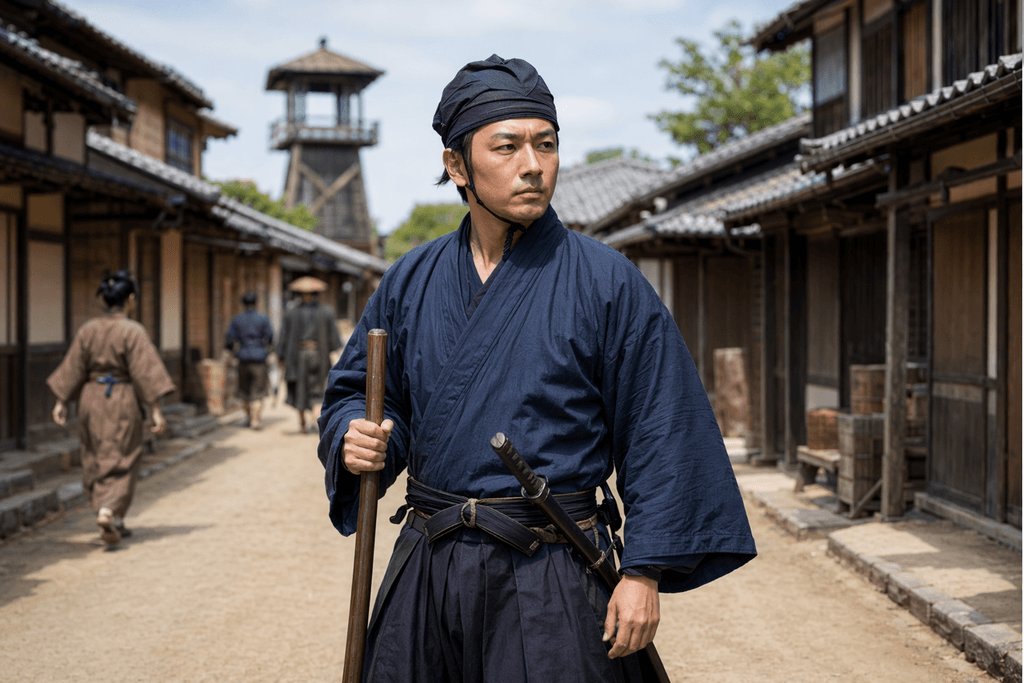
藩政යේ දූෂණය හෙළා දුටු එම රෝනින්වරයා රාත්රී අඳුරට සැඟවී පලා යාමට උත්සාහ කළ නමුත්, පෙර සිට සැඟවී බලා සිටි අත්අඩංගුවට ගන්නා නිලධාරීන් විසින් පහසුවෙන්ම අල්ලා පාලනයට ගන්නා ලදී.
萎びる
මැලවෙනවා
萎びる
මැලවෙනවා
Explanation
萎びる
මැලවෙනවා
萎びる
මැලවී යාම / ඉරීලා/සිඳීලා රැළිවීම / හැඩය අහිමිව කුඩා වීම
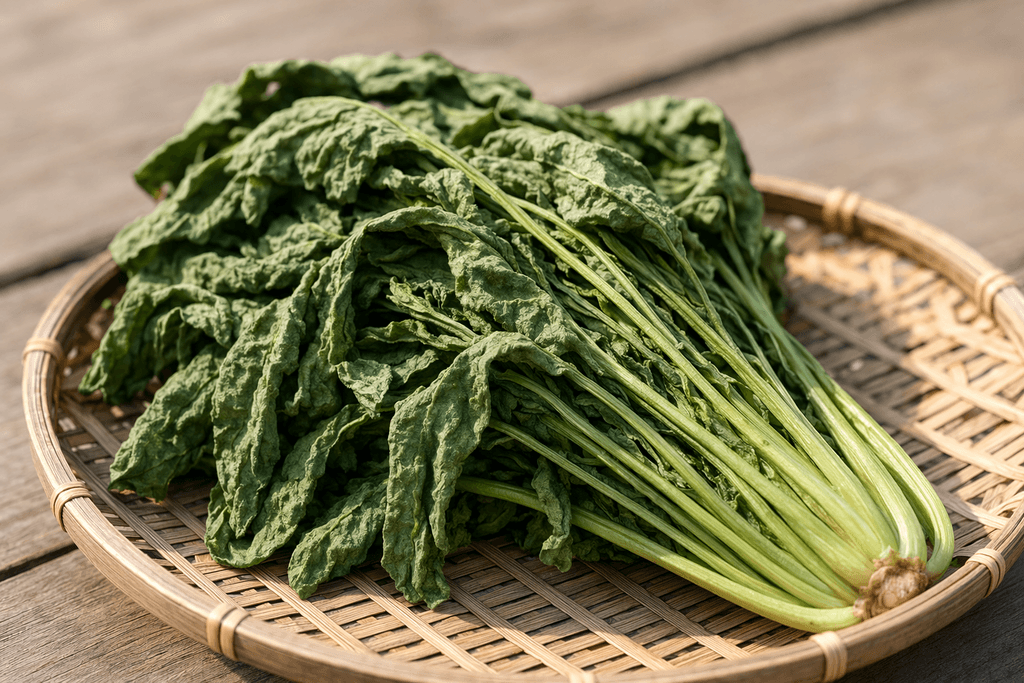
වෙළඳපොළෙන් ආපසු එන වෙලාව වන විට, දැඩි හිරු රශ්මියට නිරාවරණ වූ එළවළු සම්පූර්ණයෙන්ම මැලවී ගොස් තිබුණු අතර, තාජාභාවය පාලනය කිරීම කෙතරම් දුෂ්කරද යන්න දැඩි ලෙස හැඟුණි.
Word Forms
The basic and commonly used forms of this verb.
Basic forms
| Form | Word form | Usage |
|---|---|---|
| Imperfective form (mizenkei) | Connects to endings such as nai, reru, and seru. | |
| Continuative form (renyokei) | Connects to endings such as masu, tai, and ta. | |
| Conclusive form (shushikei) | Ends a sentence and serves as the dictionary form. | |
| Attributive form (rentaikei) | Modifies a noun. | |
| Conditional form (kateikei) | Combines with ba to express a condition. | |
| Imperative form (meireikei) |
Alternative:
萎びよ
|
Expresses a command or instruction. |
Common forms
病
රෝගය
病
රෝගය
Explanation
病
රෝගය
病
රෝගය / අසනීපය / නරක පුරුද්ද

( romanization )
( romanization )
( hiragana historical )
( hiragana )
藻掻く
දඟලනවා
藻掻く
දඟලනවා
Explanation
藻掻く
දඟලනවා
藻掻く
දඟලමින් වෑයම් කරනවා / උත්සාහයෙන් අරගල කරනවා / අසරණව පැනපැන වෑයම් කරනවා

Word Forms
The basic and commonly used forms of this verb.
Basic forms
| Form | Word form | Usage |
|---|---|---|
| Imperfective form (mizenkei) |
Alternative:
藻掻こ
|
Connects to endings such as nai, reru, and seru. |
| Continuative form (renyokei) | Connects to endings such as masu, tai, and ta. | |
| Conclusive form (shushikei) | Ends a sentence and serves as the dictionary form. | |
| Attributive form (rentaikei) | Modifies a noun. | |
| Conditional form (kateikei) | Combines with ba to express a condition. | |
| Imperative form (meireikei) | Expresses a command or instruction. |
Common forms
| Form | Word form | Usage |
|---|---|---|
| Te-form |
Alternative:
もがいて
|
Connects clauses with te. |
| Ta-form |
Alternative:
もがいた
|
Expresses the past with ta. |
| Nai-form |
Alternative:
もがかない
|
Expresses negation with nai. |
| Masu-form |
Alternative:
もがきます
|
Used for polite speech. |
| Ba-form |
Alternative:
もがけば
|
Expresses a condition with ba. |
| Volitional form |
Alternative:
もがこう
|
Expresses intention or invitation. |
Notes
Loading...

JLPT N1 多言語単語帳・3032語 / JLPT N1 Multilingual Vocabulary: 3032 Words

Jonathan Waller 氏の JLPT Resources の語彙リスト・レベル分類を出典とし、CC BY の条件に従って DiQt が学習者向けに意味を作り直した3032語の単語帳です。JLPT公式の語彙リストではありません。
This collection of 3032 words is based on the vocabulary list and level classifications in Jonathan Waller’s JLPT Resources under CC BY, with meanings rewritten by DiQt for learners. It is not an official JLPT vocabulary list.
Key Operations
Select the first quiz:
Ctrl + Enter
View Explanation:Ctrl + G
Close a feedback:Esc
When selecting a quiz
Answer:Enter
Select a choice:↓ or ↑
Reading out the question:Ctrl + K
View Hint: Ctrl + M
I don't know: Ctrl + Y



