
JLPT N1 වචන අර්ථ පුහුණුව - Unsolved

පිළිතුරු විකල්ප හතරක් ඇති ප්රශ්න මඟින් JLPT N1 වචන 3032ක අර්ථ සිංහලෙන් ඉගෙන ගන්න.
-
ආපසු නවා දමනවා / හැරී ආපසු යනවා
-
හැන්දෙන් ගන්නවා
-
කොනිත්තනවා
-
නිම කරනවා
-
ලිපිනය යොදනවා
-
අඬගසා නවත්වනවා
- 五段活用(ラ行)の動詞。未然形「跨がろ」は主に意志形「跨がろう」に用いる。
- 漢字表記には「跨る」もあるが、ここでは見出し語「跨がる」に合わせた形を示す。
-
දිවා ආහාරය
-
අනුබද්ධතාව
-
රහසිගත ඝාතනය
-
ගබඩා කාමරය
-
ඉහළ නිලධාරීන්
-
නිශ්චල දේපළ
-
ලාභදායී බව
-
රහසිගත
-
ගැඹුරු අවබෝධය
-
නිදහසට කරුණ
-
සංකල්පය
-
ප්රධාන ප්රවාහන මාර්ගය
-
ජනප්රිය වෙනවා
-
සායම් වැටෙනවා
-
නවත්වනවා / රඳවාගන්නවා
-
ආ
-
දැන් ඉතින් / තීරණාත්මක මොහොත
-
ස්තුතියි
-
උච්චාවචනය
-
වැසිකිළිය
-
සාකච්ඡා කිරීම
-
දඟලනවා
-
භාරගන්නවා / පිටව යනවා
-
හුවමාරු කරනවා
促す
උනන්දු කරනවා / ප්රවර්ධනය කරනවා
促す
උනන්දු කරනවා / ප්රවර්ධනය කරනවා
Explanation
促す
උනන්දු කරනවා / ප්රවර්ධනය කරනවා
促す
උනන්දු කරවීම / ප්රේරණය කිරීම / ඉක්මන් කිරීමට හෝ ඉදිරියට තල්ලු කිරීමට උත්තේජනය කිරීම / ගෙවීම් ආදිය ඉල්ලා බල කිරීම
ව්යාපාර ආචාරධර්ම පිළිබඳ ප්රශ්න මතුවෙමින් තිබෙන අතර, කළමනාකරණ මණ්ඩලය සියලු සේවකයන්ට අක්රමිකතා නොසලකා නොහරින ආකල්පය දැඩි ලෙස ක්රියාත්මක කිරීමට උනන්දු කළේය.

Word Forms
The basic and commonly used forms of this verb.
Basic forms
| Form | Word form | Usage |
|---|---|---|
| Imperfective form (mizenkei) |
Alternative:
促そ
|
Connects to endings such as nai, reru, and seru. |
| Continuative form (renyokei) | Connects to endings such as masu, tai, and ta. | |
| Conclusive form (shushikei) | Ends a sentence and serves as the dictionary form. | |
| Attributive form (rentaikei) | Modifies a noun. | |
| Conditional form (kateikei) | Combines with ba to express a condition. | |
| Imperative form (meireikei) | Expresses a command or instruction. |
Common forms
跨がる
දෙපසට පා තබා ඉඳගන්නවා / පුරා පැතිරෙනවා
跨がる
දෙපසට පා තබා ඉඳගන්නවා / පුරා පැතිරෙනවා
Explanation
跨がる
දෙපසට පා තබා ඉඳගන්නවා / පුරා පැතිරෙනවා
跨がる
(ඉහළින්) දෙපසට කකුල් දමා වාඩිවීම/නැගීම / දෙකක් අතරින් හරහා පැතිරී හෝ සම්බන්ධව තිබීම / සීමාවක් හෝ කාල පරාසයක් ඇතුළතට විහිදීම

Word Forms
The basic and commonly used forms of this verb.
Basic forms
| Form | Word form | Usage |
|---|---|---|
| Imperfective form (mizenkei) |
Alternative:
跨がろ
|
Connects to endings such as nai, reru, and seru. |
| Continuative form (renyokei) |
Alternative:
跨がっ
|
Connects to endings such as masu, tai, and ta. |
| Conclusive form (shushikei) | Ends a sentence and serves as the dictionary form. | |
| Attributive form (rentaikei) | Modifies a noun. | |
| Conditional form (kateikei) | Combines with ba to express a condition. | |
| Imperative form (meireikei) | Expresses a command or instruction. |
Common forms
| Form | Word form | Usage |
|---|---|---|
| Te-form | Connects clauses with te. | |
| Ta-form | Expresses the past with ta. | |
| Nai-form | Expresses negation with nai. | |
| Masu-form | Used for polite speech. | |
| Ba-form | Expresses a condition with ba. | |
| Volitional form | Expresses intention or invitation. |
Notes
勝利
ජයග්රහණය
勝利
ජයග්රහණය
Explanation
勝利
ජයග්රහණය
勝利
ජය / විජය / ජයග්රහණය

( Base form )
( romanization )
( romanization )
( hiragana historical )
( hiragana )
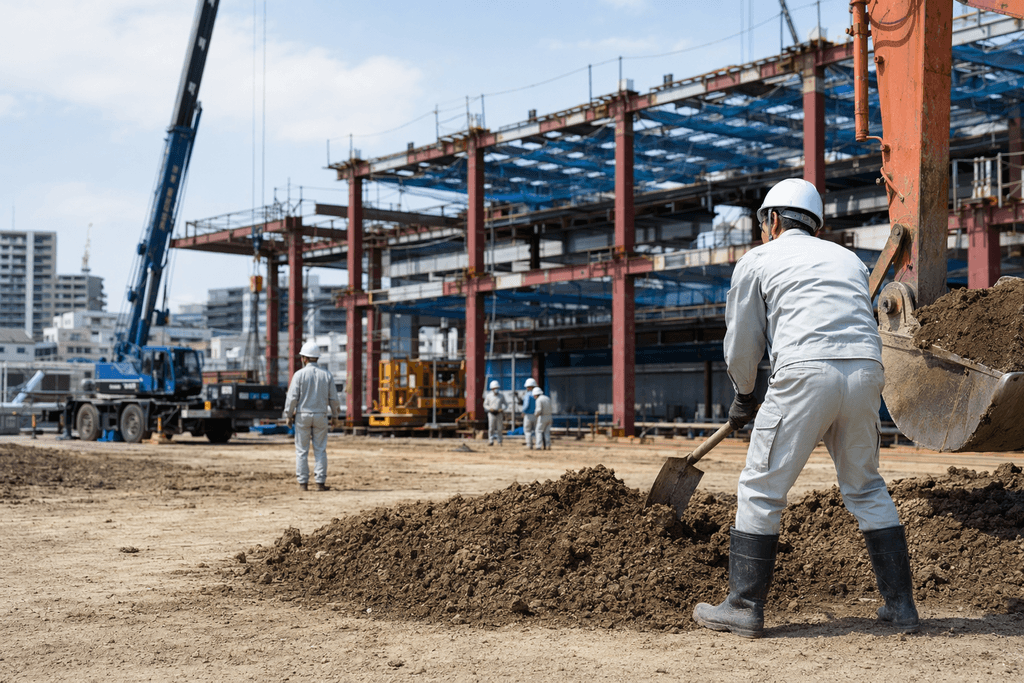
着工
ඉදිකිරීම් ඇරඹීම
着工
ඉදිකිරීම් ඇරඹීම
Explanation
着工
ඉදිකිරීම් ඇරඹීම
着工
ඉදිකිරීම් ආරම්භ කිරීම / ගොඩනැගීම පටන් ගැනීම
( Base form )
( romanization )
( hiragana )
浜
මුහුදු වෙරළ
浜
මුහුදු වෙරළ
Explanation
浜
මුහුදු වෙරළ
浜
වෙරළ / ගෝ ක්රීඩාවේ අල්ලාගත් කැබලි (කැප්චර්) / යොකොහාමා නගරයට කෙටි නාමය

( romanization )
( kyūjitai )
( hiragana )
統制
පාලනය
統制
පාලනය
Explanation
統制
පාලනය
統制
පාලනය / නියාමනය / සීමා පැනවීම

( Base form )
( romanization )
( hiragana )
歩む
ඇවිදිනවා / ඉදිරියට යනවා
歩む
ඇවිදිනවා / ඉදිරියට යනවා
Explanation
歩む
ඇවිදිනවා / ඉදිරියට යනවා
歩む
ඇවිදිනවා / පා තබා ගමන් කරනවා / ගමන් මඟින් ඉදිරියට යනවා

Word Forms
The basic and commonly used forms of this verb.
Basic forms
| Form | Word form | Usage |
|---|---|---|
| Imperfective form (mizenkei) |
Alternative:
歩も
|
Connects to endings such as nai, reru, and seru. |
| Continuative form (renyokei) | Connects to endings such as masu, tai, and ta. | |
| Conclusive form (shushikei) | Ends a sentence and serves as the dictionary form. | |
| Attributive form (rentaikei) | Modifies a noun. | |
| Conditional form (kateikei) | Combines with ba to express a condition. | |
| Imperative form (meireikei) | Expresses a command or instruction. |
Common forms
どれどれ
බලමුකෝ
どれどれ
බලමුකෝ
Explanation
බලමුකෝ
どれどれ
බලමු බලමු / දැන් බලමු මේක / හොඳට බලන්නම්

( romanization )
外来
විදේශීය මූලය / බාහිර රෝගී සේවාව
外来
විදේශීය මූලය / බාහිර රෝගී සේවාව
Explanation
外来
විදේශීය මූලය / බාහිර රෝගී සේවාව
外来
විදේශීයත්වය / බාහිර රෝගී ප්රතිකාරය
මෙම තෙත්බිම තුළ, විදේශීය ජලජ ශාක දේශීය විශේෂවල වාසස්ථාන ආක් රමණය කරමින් සිටින අතර ඔවුන්ගේ මර්දන සැලැස්ම සමාලෝචනය කිරීමට බලධාරීන්ට බල කෙරෙයි.

( Base form )
( romanization )
( romanization )
( kyūjitai )
( hiragana historical )
( hiragana )
剥げる
ගැලවෙනවා / පාට මැකෙනවා
剥げる
ගැලවෙනවා / පාට මැකෙනවා
Explanation
剥げる
ගැලවෙනවා / පාට මැකෙනවා
剥げる
(පත්ර/ලේපනය) ඉවත් වී පියලී යාම / (වර්ණය) මැකුනෙහි/නසී යාම / (හිසකෙස්) වැටී තට්ටුවීම

Word Forms
The basic and commonly used forms of this verb.
Basic forms
| Form | Word form | Usage |
|---|---|---|
| Imperfective form (mizenkei) | Connects to endings such as nai, reru, and seru. | |
| Continuative form (renyokei) | Connects to endings such as masu, tai, and ta. | |
| Conclusive form (shushikei) | Ends a sentence and serves as the dictionary form. | |
| Attributive form (rentaikei) | Modifies a noun. | |
| Conditional form (kateikei) | Combines with ba to express a condition. | |
| Imperative form (meireikei) |
Alternative:
剥げよ
|
Expresses a command or instruction. |
Common forms
Loading...

JLPT N1 多言語単語帳・3032語 / JLPT N1 Multilingual Vocabulary: 3032 Words

Jonathan Waller 氏の JLPT Resources の語彙リスト・レベル分類を出典とし、CC BY の条件に従って DiQt が学習者向けに意味を作り直した3032語の単語帳です。JLPT公式の語彙リストではありません。
This collection of 3032 words is based on the vocabulary list and level classifications in Jonathan Waller’s JLPT Resources under CC BY, with meanings rewritten by DiQt for learners. It is not an official JLPT vocabulary list.
Key Operations
Select the first quiz:
Ctrl + Enter
View Explanation:Ctrl + G
Close a feedback:Esc
When selecting a quiz
Answer:Enter
Select a choice:↓ or ↑
Reading out the question:Ctrl + K
View Hint: Ctrl + M
I don't know: Ctrl + Y



