
JLPT N2 शब्दार्थ अभ्यास - Unsolved

चार विकल्प भएका प्रश्नबाट JLPT N2 का 1790 शब्दका अर्थ नेपालीमा सिक्नुहोस्।
-
बढाउनु
-
बाल्नु / आगो सल्काउनु
-
लक्ष्य राख्नु
-
डुबुल्की मार्नु / भूमिगत हुनु
-
सन्देश पठाउनु
-
कमी पूरा गर्नु
-
जीवनशक्ति
-
साबुन
-
सजावटी भित्तेखोपो
-
अवरोहण
-
केतली
-
सम्बन्ध
-
महसुस गर्नु
-
डुबुल्की मार्नु / भूमिगत हुनु
-
चिच्याउनु
-
रिसइबी राख्नु
-
एकातिर ढल्किनु / पक्षपाती हुनु
-
मुक्का हान्नु
-
व्यापक बनाउनु
-
बढार्नु
-
जिम्मामा राख्नु
-
कमी पूरा गर्नु
-
मिलाएर राख्नु / एकरूप बनाउनु
-
पर्याप्त हुनु
-
नदीको माथितिर जानु / विगतमा फर्कनु
-
एकत्रित हुनु / टुङ्गो लाग्नु
-
ओर्लनु
- 五段活用(ラ行)の動詞。
-
सायद
-
मुसुमुसु हाँस्दै
-
सबैभन्दा पहिले
睨む
घुर्नु / नजर राख्नु
睨む
घुर्नु / नजर राख्नु
Explanation
睨む
घुर्नु / नजर राख्नु
睨む
घुरेर हेर्नु / निगरानी राख्नु / परख्नु/अन्दाज लाउनु/शङ्का गर्नु

Word Forms
The basic and commonly used forms of this verb.
Basic forms
| Form | Word form | Usage |
|---|---|---|
| Imperfective form (mizenkei) |
Alternative:
睨も
|
Connects to endings such as nai, reru, and seru. |
| Continuative form (renyokei) | Connects to endings such as masu, tai, and ta. | |
| Conclusive form (shushikei) | Ends a sentence and serves as the dictionary form. | |
| Attributive form (rentaikei) | Modifies a noun. | |
| Conditional form (kateikei) | Combines with ba to express a condition. | |
| Imperative form (meireikei) | Expresses a command or instruction. |
Common forms
響く
गुञ्जिनु
響く
गुञ्जिनु
Explanation
響く
गुञ्जिनु
響く
गुन्जिनु / प्रतिध्वनित हुनु / मन छुनु

Word Forms
The basic and commonly used forms of this verb.
Basic forms
| Form | Word form | Usage |
|---|---|---|
| Imperfective form (mizenkei) |
Alternative:
響こ
|
Connects to endings such as nai, reru, and seru. |
| Continuative form (renyokei) | Connects to endings such as masu, tai, and ta. | |
| Conclusive form (shushikei) | Ends a sentence and serves as the dictionary form. | |
| Attributive form (rentaikei) | Modifies a noun. | |
| Conditional form (kateikei) | Combines with ba to express a condition. | |
| Imperative form (meireikei) | Expresses a command or instruction. |
Common forms
おかわり
थप खाना
おかわり
थप खाना
Explanation
थप खाना
おかわり
दोस्रो परोस / थप परोस / रिफिल

( Base form )
( romanization )
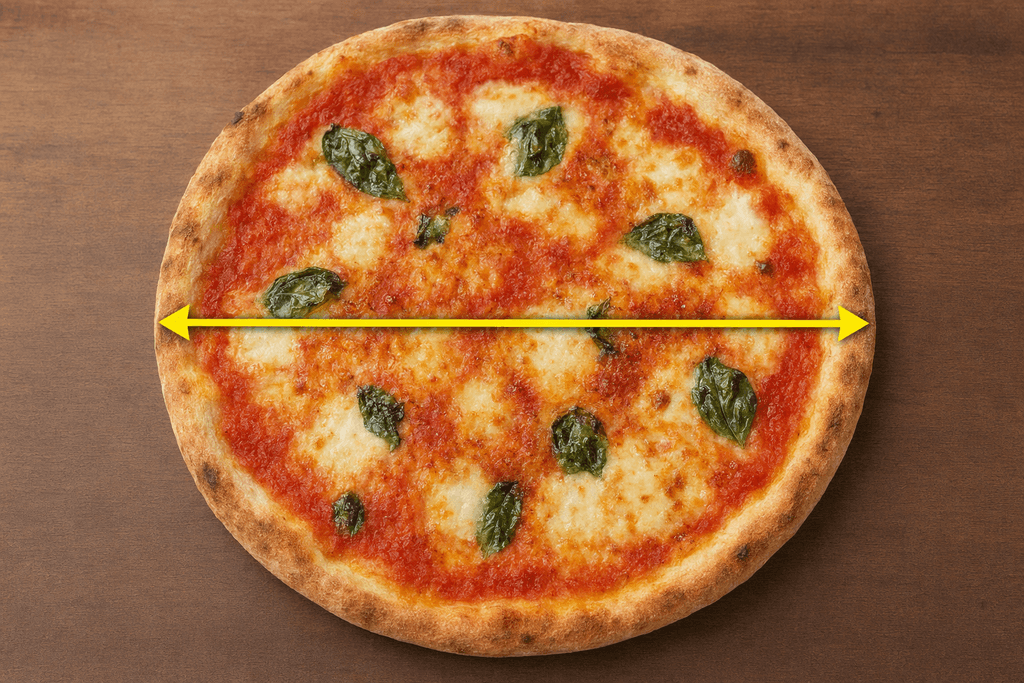
直径
व्यास
直径
व्यास
Explanation
直径
व्यास
直径
व्यास (ज्यामिति): वृत्त/गोलेमा केन्द्र हुँदै विपरीत दुई बिन्दु जोड्ने रेखाखण्डको लम्बाइ / व्यास (ग्राफ सिद्धान्त): ग्राफमा शीर्षबिन्दु जोडीहरूबीचको सबैभन्दा छोटो दूरीहरूमध्ये अधिकतम मान
( Base form )
( romanization )
( kyūjitai )
( hiragana )
当てはまる
लागू हुनु / मिल्नु
当てはまる
लागू हुनु / मिल्नु
Explanation
当てはまる
लागू हुनु / मिल्नु
当てはまる
लागू हुनु / मेल खानु / सही ठहरिनु

Word Forms
The basic and commonly used forms of this verb.
Basic forms
| Form | Word form | Usage |
|---|---|---|
| Imperfective form (mizenkei) | Connects to endings such as nai, reru, and seru. | |
| Continuative form (renyokei) | Connects to endings such as masu, tai, and ta. | |
| Conclusive form (shushikei) | Ends a sentence and serves as the dictionary form. | |
| Attributive form (rentaikei) | Modifies a noun. | |
| Conditional form (kateikei) | Combines with ba to express a condition. | |
| Imperative form (meireikei) | Expresses a command or instruction. |
Common forms
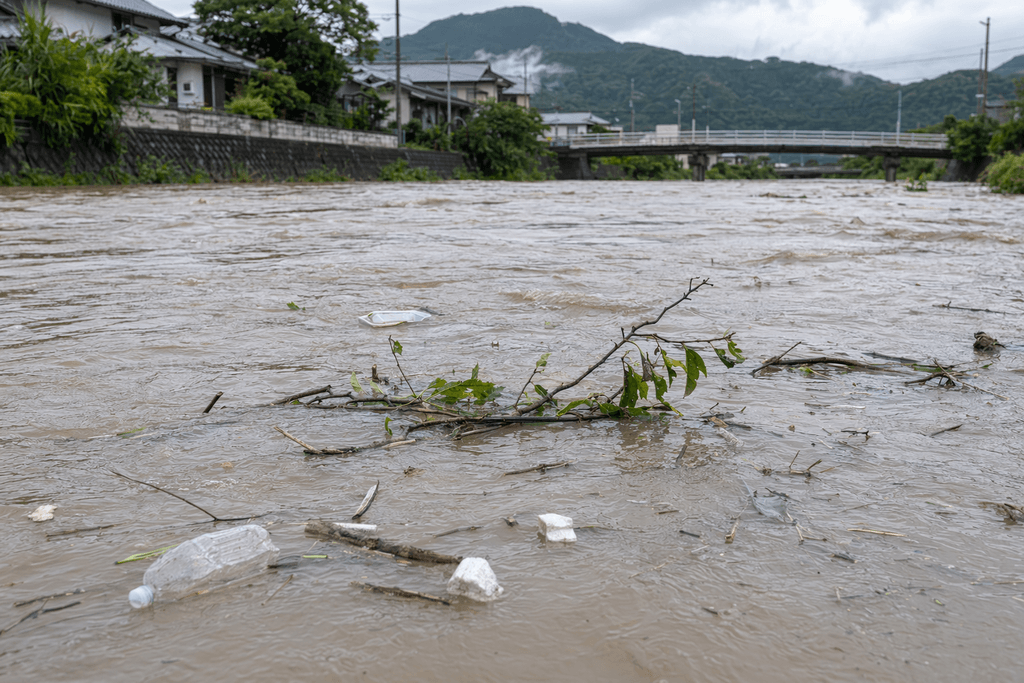
浮く
तैरिनु / खुकुलो हुनु
浮く
तैरिनु / खुकुलो हुनु
Explanation
浮く
तैरिनु / खुकुलो हुनु
浮く
तैरिनु; माथि उठ्नु / खुकुलो हुनु; छुट्टिनु; ठीकसँग नबस्नु / असङ्गत देखिनु वा हावादारी हुनु; पैसा/समय बच्नु
Word Forms
The basic and commonly used forms of this verb.
Basic forms
| Form | Word form | Usage |
|---|---|---|
| Imperfective form (mizenkei) |
Alternative:
浮こ
|
Connects to endings such as nai, reru, and seru. |
| Continuative form (renyokei) | Connects to endings such as masu, tai, and ta. | |
| Conclusive form (shushikei) | Ends a sentence and serves as the dictionary form. | |
| Attributive form (rentaikei) | Modifies a noun. | |
| Conditional form (kateikei) | Combines with ba to express a condition. | |
| Imperative form (meireikei) | Expresses a command or instruction. |
Common forms
ずらす
सार्नु / पछि सार्नु
ずらす
सार्नु / पछि सार्नु
Explanation
सार्नु / पछि सार्नु
ずらす
अलिकति सार्नु / स्थान थोरै परिवर्तन गर्नु / समय/तारीख पछाडि सार्नु

Word Forms
The basic and commonly used forms of this verb.
Basic forms
| Form | Word form | Usage |
|---|---|---|
| Imperfective form (mizenkei) |
Alternative:
ずらそ
|
Connects to endings such as nai, reru, and seru. |
| Continuative form (renyokei) | Connects to endings such as masu, tai, and ta. | |
| Conclusive form (shushikei) | Ends a sentence and serves as the dictionary form. | |
| Attributive form (rentaikei) | Modifies a noun. | |
| Conditional form (kateikei) | Combines with ba to express a condition. | |
| Imperative form (meireikei) | Expresses a command or instruction. |
Common forms
寄せる
नजिक ल्याउनु / बटुल्नु
寄せる
नजिक ल्याउनु / बटुल्नु
Explanation
寄せる
नजिक ल्याउनु / बटुल्नु
寄せる
नजिक ल्याउनु / पेश गर्नु / आकर्षित हुनु

Word Forms
The basic and commonly used forms of this verb.
Basic forms
| Form | Word form | Usage |
|---|---|---|
| Imperfective form (mizenkei) | Connects to endings such as nai, reru, and seru. | |
| Continuative form (renyokei) | Connects to endings such as masu, tai, and ta. | |
| Conclusive form (shushikei) | Ends a sentence and serves as the dictionary form. | |
| Attributive form (rentaikei) | Modifies a noun. | |
| Conditional form (kateikei) | Combines with ba to express a condition. | |
| Imperative form (meireikei) |
Alternative:
寄せよ
|
Expresses a command or instruction. |
Common forms
茂る
घना भएर बढ्नु
茂る
घना भएर बढ्नु
Explanation
茂る
घना भएर बढ्नु
茂る
बाक्लै बढ्नु (वनस्पति) / लहलहाउनु (बिरुवा/बाली) / हरियालीले भरिनु

Word Forms
The basic and commonly used forms of this verb.
Basic forms
| Form | Word form | Usage |
|---|---|---|
| Imperfective form (mizenkei) |
Alternative:
茂ろ
|
Connects to endings such as nai, reru, and seru. |
| Continuative form (renyokei) | Connects to endings such as masu, tai, and ta. | |
| Conclusive form (shushikei) | Ends a sentence and serves as the dictionary form. | |
| Attributive form (rentaikei) | Modifies a noun. | |
| Conditional form (kateikei) | Combines with ba to express a condition. | |
| Imperative form (meireikei) | Expresses a command or instruction. |
Common forms
| Form | Word form | Usage |
|---|---|---|
| Te-form | Connects clauses with te. | |
| Ta-form | Expresses the past with ta. | |
| Nai-form | Expresses negation with nai. | |
| Masu-form | Used for polite speech. | |
| Ba-form | Expresses a condition with ba. | |
| Volitional form | Expresses intention or invitation. |
Notes
まもなく
चाँडै
まもなく
चाँडै
Explanation
चाँडै
まもなく
चाँडै / छिट्टै / केही समयमै

( Base form )
( romanization )
Loading...

JLPT N2 多言語単語帳・1790語 / JLPT N2 Multilingual Vocabulary: 1790 Words

Jonathan Waller 氏の JLPT Resources の語彙リスト・レベル分類を出典とし、CC BY の条件に従って DiQt が学習者向けに意味を作り直した1790語の単語帳です。JLPT公式の語彙リストではありません。
This collection of 1790 words is based on the vocabulary list and level classifications in Jonathan Waller’s JLPT Resources under CC BY, with meanings rewritten by DiQt for learners. It is not an official JLPT vocabulary list.
Key Operations
Select the first quiz:
Ctrl + Enter
View Explanation:Ctrl + G
Close a feedback:Esc
When selecting a quiz
Answer:Enter
Select a choice:↓ or ↑
Reading out the question:Ctrl + K
View Hint: Ctrl + M
I don't know: Ctrl + Y



