
JLPT N2 शब्दार्थ अभ्यास - Unsolved

चार विकल्प भएका प्रश्नबाट JLPT N2 का 1790 शब्दका अर्थ नेपालीमा सिक्नुहोस्।
-
सुकाउनु
-
दोहोरो भूमिका निभाउनु / गर्न नसक्नु
-
संशोधन गर्नु / सुधार्नु
-
अत्यावश्यक वस्तुहरू
-
सिर्जनात्मक रचना
-
प्रापकको नाम
-
टिकट जाँच / टिकट जाँचद्वार
-
दम्पती
-
गाँस, बास र कपास
-
वाणिज्यदूत
-
उचित / सजिलो
-
काका-मामा र फुपू-सानीमाका सन्तान
-
पछि आउनु
-
गुडाउनु
-
खाँद्नु / लगाउनु
- 五段活用ラ行。自動詞。表記揺れとして「引っくり返る」「引っ繰り返る」「ひっくりかえる」がある。
-
झरना
-
बीच बाटो
-
गोदाम
-
चराको बथान / जनावरको बथान
-
बहाना
-
कर छुट
-
भेला / गणितीय समुच्चय
-
ढाँचा
-
किनबेच
-
पारदर्शी हुनु
-
बाधा पुर्याउनु / रोक्नु
-
माथिबाट तल हेर्नु
-
प्याकिङ
-
छुट्टी बिताउने घर
-
कुहिनो
吊るす
झुन्ड्याउनु
吊るす
झुन्ड्याउनु
Explanation
吊るす
झुन्ड्याउनु
吊るす
झुण्ड्याउनु / टाँग्नु / फाँसी दिनु

Word Forms
The basic and commonly used forms of this verb.
Basic forms
| Form | Word form | Usage |
|---|---|---|
| Imperfective form (mizenkei) |
Alternative:
吊るそ
|
Connects to endings such as nai, reru, and seru. |
| Continuative form (renyokei) | Connects to endings such as masu, tai, and ta. | |
| Conclusive form (shushikei) | Ends a sentence and serves as the dictionary form. | |
| Attributive form (rentaikei) | Modifies a noun. | |
| Conditional form (kateikei) | Combines with ba to express a condition. | |
| Imperative form (meireikei) | Expresses a command or instruction. |
Common forms
公正
निष्पक्षता
公正
निष्पक्षता
Explanation
公正
निष्पक्षता
公正
निष्पक्षता / न्याय / न्यायसंगतता

( Base form )
( romanization )
( hiragana )
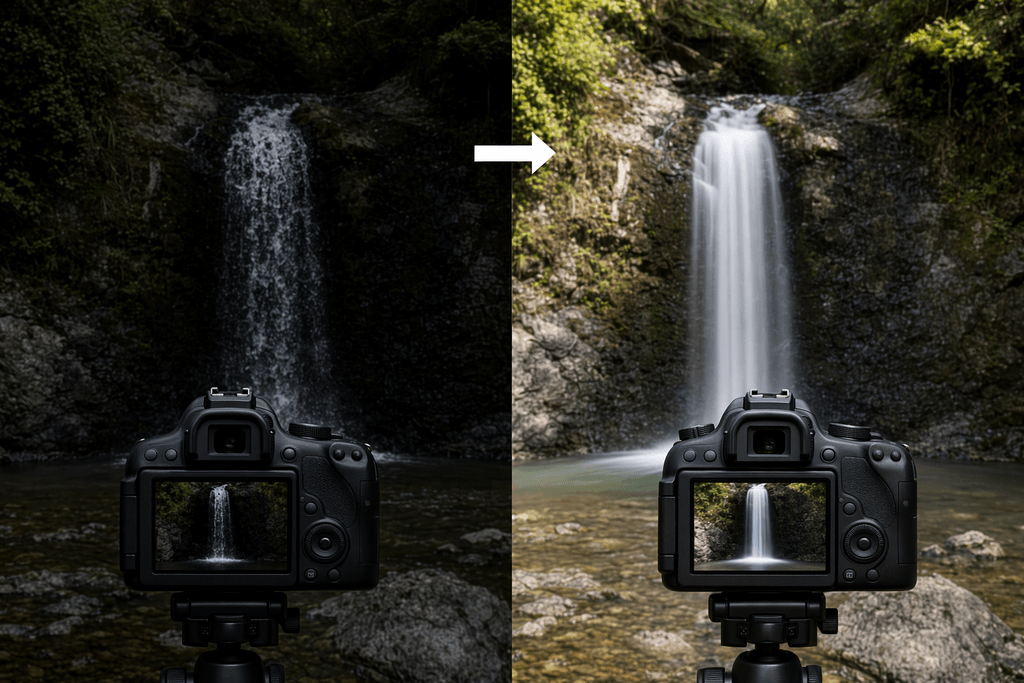
シャッター
क्यामेराको शटर / रोलिङ ढोका
シャッター
क्यामेराको शटर / रोलिङ ढोका
Explanation
क्यामेराको शटर / रोलिङ ढोका
シャッター
क्यामेरामा प्रकाश प्रवेश खोल्ने–बन्द गर्ने यन्त्र / झ्याल ढाक्ने चल पाटा / पसल वा ग्यारेजको रोलिङ् ढोका
( romanization )
姓
थर
姓
थर
Explanation
姓
थर
姓
थर / ऐतिहासिक वंशानुगत उपाधि (काबाने)

( romanization )
( hiragana )
ひっくり返る
पल्टिनु
ひっくり返る
पल्टिनु
Explanation
ひっくり返る
पल्टिनु
ひっくり返る
उल्टिनु / पल्टिनु / बिथोलिनु

Word Forms
The basic and commonly used forms of this verb.
Basic forms
| Form | Word form | Usage |
|---|---|---|
| Imperfective form (mizenkei) |
Alternative:
引っくり返ら
引っ繰り返ら
ひっくりかえら
|
Connects to endings such as nai, reru, and seru. |
| Continuative form (renyokei) |
Alternative:
引っくり返り
引っ繰り返り
ひっくりかえり
|
Connects to endings such as masu, tai, and ta. |
| Conclusive form (shushikei) |
Alternative:
引っくり返る
引っ繰り返る
ひっくりかえる
|
Ends a sentence and serves as the dictionary form. |
| Attributive form (rentaikei) |
Alternative:
引っくり返る
引っ繰り返る
ひっくりかえる
|
Modifies a noun. |
| Conditional form (kateikei) |
Alternative:
引っくり返れ
引っ繰り返れ
ひっくりかえれ
|
Combines with ba to express a condition. |
| Imperative form (meireikei) |
Alternative:
引っくり返れ
引っ繰り返れ
ひっくりかえれ
|
Expresses a command or instruction. |
Common forms
| Form | Word form | Usage |
|---|---|---|
| Te-form |
Alternative:
引っくり返って
引っ繰り返って
ひっくりかえって
|
Connects clauses with te. |
| Ta-form |
Alternative:
引っくり返った
引っ繰り返った
ひっくりかえった
|
Expresses the past with ta. |
| Nai-form |
Alternative:
引っくり返らない
引っ繰り返らない
ひっくりかえらない
|
Expresses negation with nai. |
| Masu-form |
Alternative:
引っくり返ります
引っ繰り返ります
ひっくりかえります
|
Used for polite speech. |
| Ba-form |
Alternative:
引っくり返れば
引っ繰り返れば
ひっくりかえれば
|
Expresses a condition with ba. |
| Volitional form |
Alternative:
引っくり返ろう
引っ繰り返ろう
ひっくりかえろう
|
Expresses intention or invitation. |
Notes
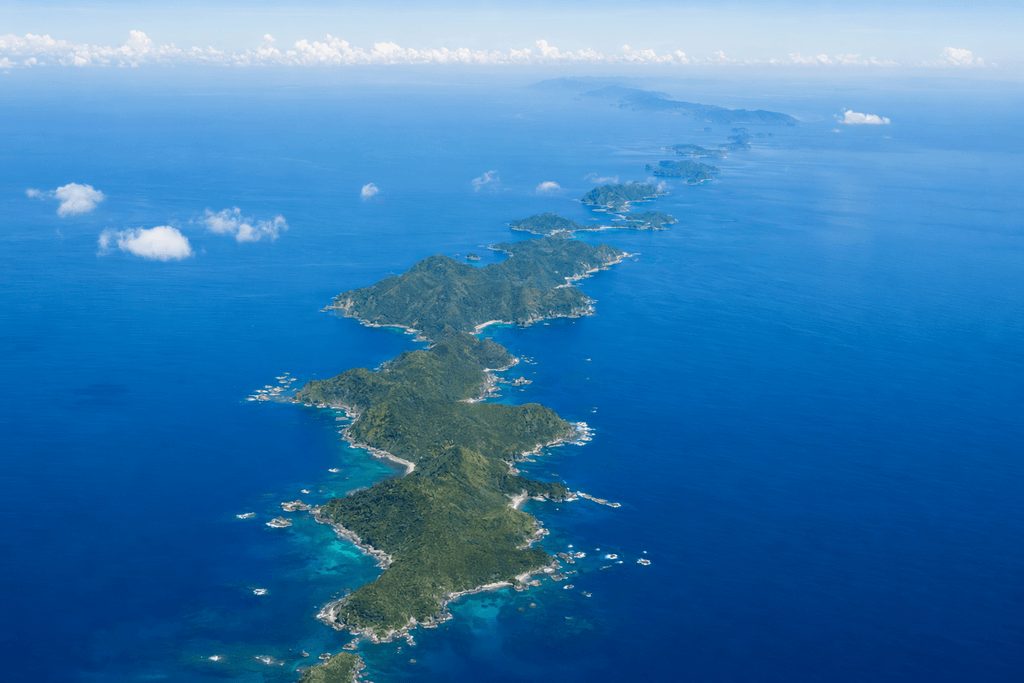
列島
द्वीप शृङ्खला
列島
द्वीप शृङ्खला
Explanation
列島
द्वीप शृङ्खला
列島
द्वीपसमूह / टापुहरूको शृंखला / जापानी द्वीपसमूह
( Base form )
( romanization )
( hiragana )
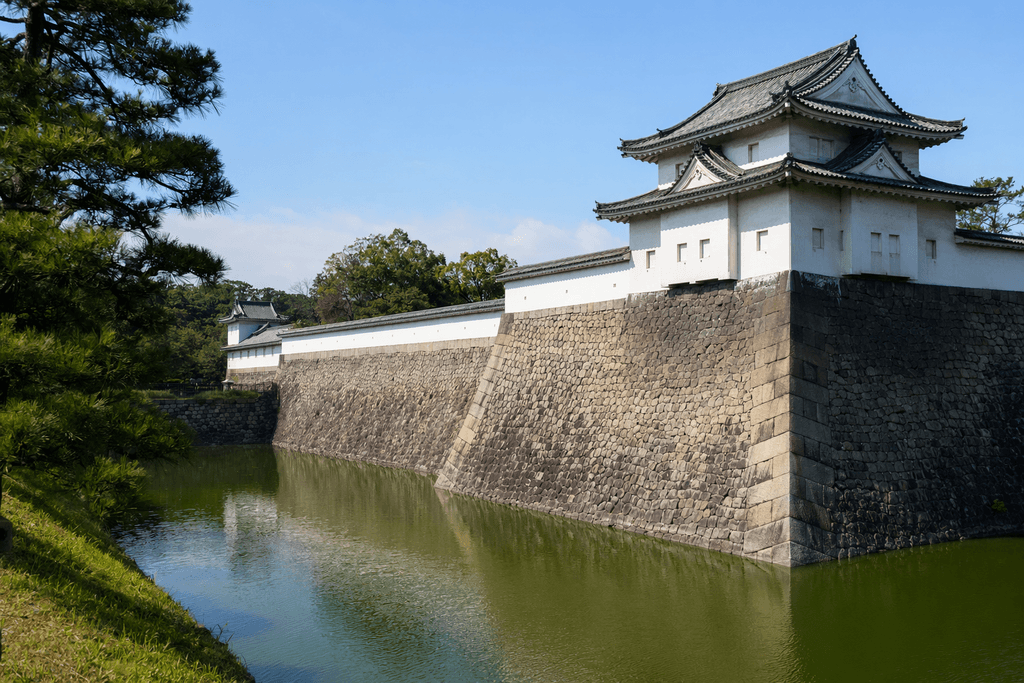
堀
किल्लाको खाडल
堀
किल्लाको खाडल
Explanation
堀
किल्लाको खाडल
堀
खाँडो / नहर / किल्लाको खाई
( romanization )
( hiragana )
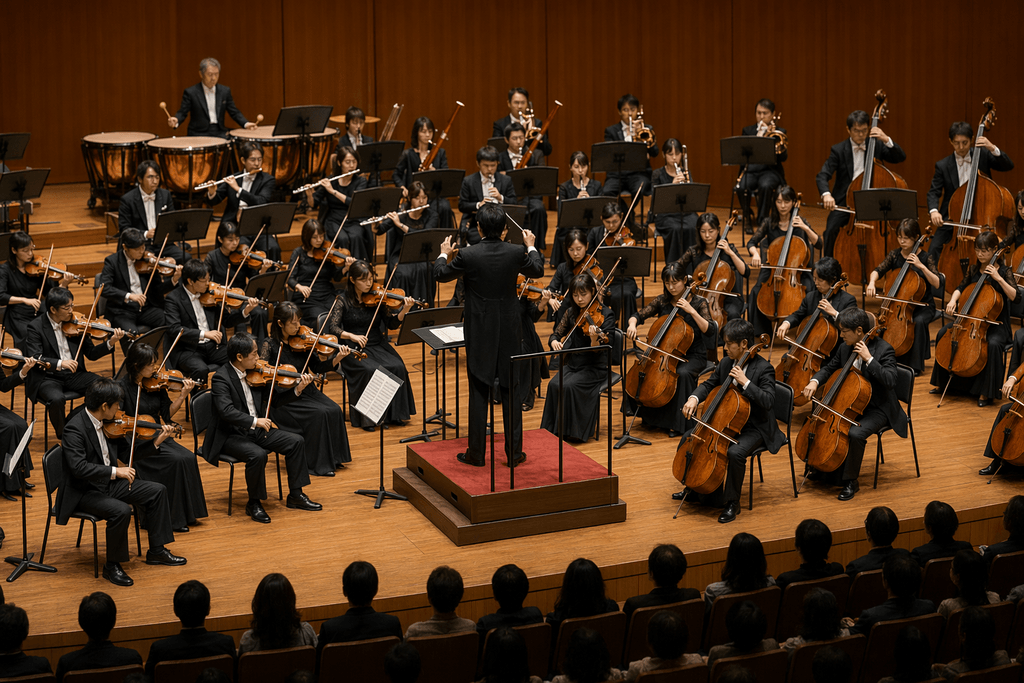
オーケストラ
अर्केस्ट्रा
オーケストラ
अर्केस्ट्रा
Explanation
अर्केस्ट्रा
オーケストラ
वाद्यवृन्द / ठूलो सङ्गीत मण्डली / विभिन्न वाद्ययन्त्र बजाउने समूह
( romanization )
重なる
खप्टिनु / थुप्रिनु
重なる
खप्टिनु / थुप्रिनु
Explanation
重なる
खप्टिनु / थुप्रिनु
重なる
थुप्रिनु / एक-अर्कामाथि राखिनु / एकै समयमा पर्नु

Word Forms
The basic and commonly used forms of this verb.
Basic forms
| Form | Word form | Usage |
|---|---|---|
| Imperfective form (mizenkei) |
Alternative:
重なろ
|
Connects to endings such as nai, reru, and seru. |
| Continuative form (renyokei) |
Alternative:
重なっ
|
Connects to endings such as masu, tai, and ta. |
| Conclusive form (shushikei) | Ends a sentence and serves as the dictionary form. | |
| Attributive form (rentaikei) | Modifies a noun. | |
| Conditional form (kateikei) | Combines with ba to express a condition. | |
| Imperative form (meireikei) | Expresses a command or instruction. |
Common forms
半径
अर्धव्यास
半径
अर्धव्यास
Explanation
半径
अर्धव्यास
半径
त्रिज्या / व्यासको आधा / केन्द्रदेखि परिधिसम्मको दूरी

( Base form )
( romanization )
( kyūjitai )
( hiragana )
Loading...

JLPT N2 多言語単語帳・1790語 / JLPT N2 Multilingual Vocabulary: 1790 Words

Jonathan Waller 氏の JLPT Resources の語彙リスト・レベル分類を出典とし、CC BY の条件に従って DiQt が学習者向けに意味を作り直した1790語の単語帳です。JLPT公式の語彙リストではありません。
This collection of 1790 words is based on the vocabulary list and level classifications in Jonathan Waller’s JLPT Resources under CC BY, with meanings rewritten by DiQt for learners. It is not an official JLPT vocabulary list.
Key Operations
Select the first quiz:
Ctrl + Enter
View Explanation:Ctrl + G
Close a feedback:Esc
When selecting a quiz
Answer:Enter
Select a choice:↓ or ↑
Reading out the question:Ctrl + K
View Hint: Ctrl + M
I don't know: Ctrl + Y



