
JLPT N2 शब्दार्थ अभ्यास - Unsolved

चार विकल्प भएका प्रश्नबाट JLPT N2 का 1790 शब्दका अर्थ नेपालीमा सिक्नुहोस्।
-
मसिनो काट्नु / खोप्नु
-
सुँघ्नु
-
सङ्गत गर्नु / प्रेमसम्बन्ध राख्नु
-
संलग्न हुनु / असर पार्नु
-
मूल फुटेर निस्कनु / उत्पन्न हुनु
-
जोत्नु
-
थुप्रिनु
-
सार्नु / पछि सार्नु
-
निर्माण हुनु
-
उपलब्धि / योगदान
-
चिनजानको व्यक्ति
-
अध्ययन भ्रमण
-
सुँघ्नु
-
बेर्नु / गोलो पार्नु
-
पूरा हुनु
-
भान्साको चक्कु
-
पाहुना स्वागत
-
एकदिने यात्रा
-
एकएक गरी
-
निकै धेरै
-
क्रमशः
-
मिसिनु
-
पैसा फिर्ता गर्नु
-
धम्क्याउनु / तर्साउनु
-
साथमा ल्याउने काम
-
बाल्टिन
-
गोष्ठी कक्षा
-
पत्नी
-
भेला / गणितीय समुच्चय
-
कक्षाको समयतालिका
代える
सट्टामा राख्नु
代える
सट्टामा राख्नु
Explanation
代える
सट्टामा राख्नु
代える
प्रतिस्थापन गर्नु / स्थानापन्न गर्नु / अर्कोको सट्टा प्रयोग गर्नु

Word Forms
The basic and commonly used forms of this verb.
Basic forms
| Form | Word form | Usage |
|---|---|---|
| Imperfective form (mizenkei) | Connects to endings such as nai, reru, and seru. | |
| Continuative form (renyokei) | Connects to endings such as masu, tai, and ta. | |
| Conclusive form (shushikei) | Ends a sentence and serves as the dictionary form. | |
| Attributive form (rentaikei) | Modifies a noun. | |
| Conditional form (kateikei) | Combines with ba to express a condition. | |
| Imperative form (meireikei) |
Alternative:
代えよ
|
Expresses a command or instruction. |
Common forms
隔てる
छुट्याउनु
隔てる
छुट्याउनु
Explanation
隔てる
छुट्याउनु
隔てる
छुट्याउनु / पृथक राख्नु / विमुख बनाउनु

Word Forms
The basic and commonly used forms of this verb.
Basic forms
| Form | Word form | Usage |
|---|---|---|
| Imperfective form (mizenkei) | Connects to endings such as nai, reru, and seru. | |
| Continuative form (renyokei) | Connects to endings such as masu, tai, and ta. | |
| Conclusive form (shushikei) | Ends a sentence and serves as the dictionary form. | |
| Attributive form (rentaikei) | Modifies a noun. | |
| Conditional form (kateikei) | Combines with ba to express a condition. | |
| Imperative form (meireikei) |
Alternative:
隔てよ
|
Expresses a command or instruction. |
Common forms
浮かぶ
तैरिनु / मनमा आउनु
浮かぶ
तैरिनु / मनमा आउनु
Explanation
浮かぶ
तैरिनु / मनमा आउनु
浮かぶ
तैरिनु / (विचार) मनमा आउनु / झल्किनु

Word Forms
The basic and commonly used forms of this verb.
Basic forms
| Form | Word form | Usage |
|---|---|---|
| Imperfective form (mizenkei) |
Alternative:
浮かぼ
|
Connects to endings such as nai, reru, and seru. |
| Continuative form (renyokei) | Connects to endings such as masu, tai, and ta. | |
| Conclusive form (shushikei) | Ends a sentence and serves as the dictionary form. | |
| Attributive form (rentaikei) | Modifies a noun. | |
| Conditional form (kateikei) | Combines with ba to express a condition. | |
| Imperative form (meireikei) | Expresses a command or instruction. |
Common forms
汁
रस / झोल
汁
रस / झोल
Explanation
汁
रस / झोल
汁
रस / झोल / सूप

( romanization )
( hiragana )
湧く
मूल फुटेर निस्कनु / उत्पन्न हुनु
湧く
मूल फुटेर निस्कनु / उत्पन्न हुनु
Explanation
湧く
मूल फुटेर निस्कनु / उत्पन्न हुनु
湧く
पानी वा भावना उम्लिनु/उर्लिनु; फूटेर निस्किनु / भावना, प्रश्न, ताली, भीड आदि उत्पन्न हुनु; देखा पर्नु / कीरा वा भुसुना धेरै संख्यामा बढ्नु/फैलिनु; भीर्नु

Word Forms
The basic and commonly used forms of this verb.
Basic forms
| Form | Word form | Usage |
|---|---|---|
| Imperfective form (mizenkei) |
Alternative:
湧こ
|
Connects to endings such as nai, reru, and seru. |
| Continuative form (renyokei) | Connects to endings such as masu, tai, and ta. | |
| Conclusive form (shushikei) | Ends a sentence and serves as the dictionary form. | |
| Attributive form (rentaikei) | Modifies a noun. | |
| Conditional form (kateikei) | Combines with ba to express a condition. | |
| Imperative form (meireikei) | Expresses a command or instruction. |
Common forms
口実
बहाना
口実
बहाना
Explanation
口実
बहाना
口実
बहाना / झुटो बहाना / आड बनाइएको कारण

( Base form )
( romanization )
( hiragana )
しいんと
निस्तब्ध भएर
しいんと
निस्तब्ध भएर
Explanation
निस्तब्ध भएर
しいんと
एकदमै शान्त रूपमा / पूर्णतया सुनसान / मृत्युसन्नाटा छाएको जस्तै

ひっくり返す
उल्ट्याउनु
ひっくり返す
उल्ट्याउनु
Explanation
ひっくり返す
उल्ट्याउनु
ひっくり返す
उल्ट्याउनु / पल्ट्याउनु / उल्टो पार्नु

Word Forms
The basic and commonly used forms of this verb.
Basic forms
| Form | Word form | Usage |
|---|---|---|
| Imperfective form (mizenkei) |
Alternative:
ひっくり返そ
|
Connects to endings such as nai, reru, and seru. |
| Continuative form (renyokei) | Connects to endings such as masu, tai, and ta. | |
| Conclusive form (shushikei) | Ends a sentence and serves as the dictionary form. | |
| Attributive form (rentaikei) | Modifies a noun. | |
| Conditional form (kateikei) | Combines with ba to express a condition. | |
| Imperative form (meireikei) | Expresses a command or instruction. |
Common forms
| Form | Word form | Usage |
|---|---|---|
| Te-form | Connects clauses with te. | |
| Ta-form | Expresses the past with ta. | |
| Nai-form | Expresses negation with nai. | |
| Masu-form | Used for polite speech. | |
| Ba-form | Expresses a condition with ba. | |
| Volitional form | Expresses intention or invitation. |
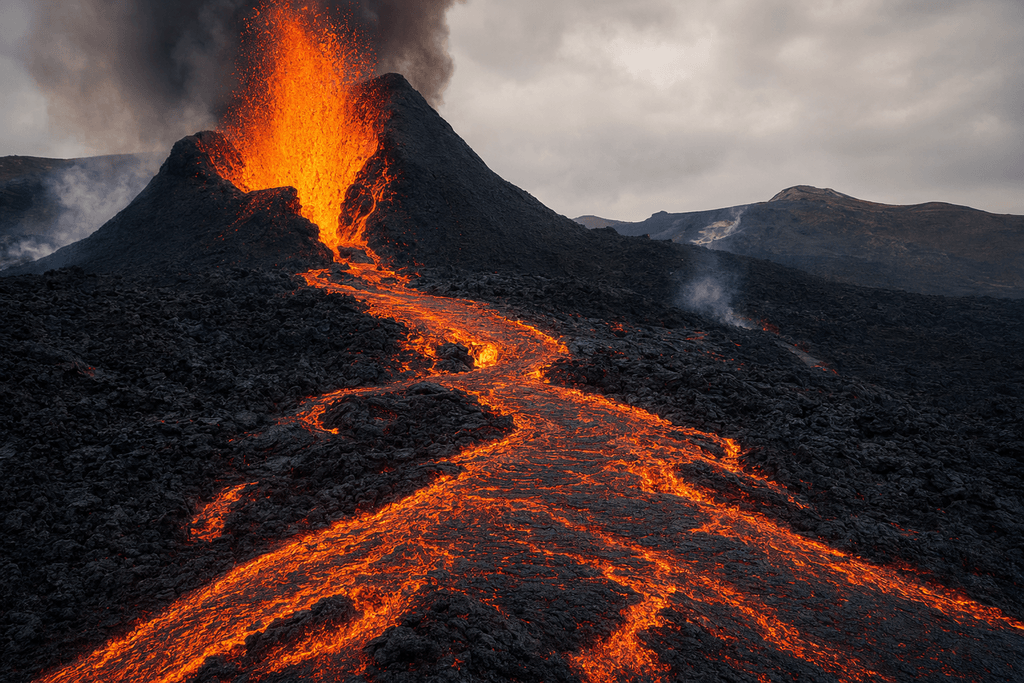
溶岩
लाभा
溶岩
लाभा
Explanation
溶岩
लाभा
溶岩
लावा / ज्वालामुखीबाट निस्किने पग्लिएको चट्टान
( Base form )
( romanization )
( hiragana )
通貨
मुद्रा
通貨
मुद्रा
Explanation
通貨
मुद्रा
通貨
मुद्रा / लेनदेनका लागि वैधानिक पैसा / परिचलनमा रहेको पैसा

( Base form )
( romanization )
( hiragana )
Loading...

JLPT N2 多言語単語帳・1790語 / JLPT N2 Multilingual Vocabulary: 1790 Words

Jonathan Waller 氏の JLPT Resources の語彙リスト・レベル分類を出典とし、CC BY の条件に従って DiQt が学習者向けに意味を作り直した1790語の単語帳です。JLPT公式の語彙リストではありません。
This collection of 1790 words is based on the vocabulary list and level classifications in Jonathan Waller’s JLPT Resources under CC BY, with meanings rewritten by DiQt for learners. It is not an official JLPT vocabulary list.
Key Operations
Select the first quiz:
Ctrl + Enter
View Explanation:Ctrl + G
Close a feedback:Esc
When selecting a quiz
Answer:Enter
Select a choice:↓ or ↑
Reading out the question:Ctrl + K
View Hint: Ctrl + M
I don't know: Ctrl + Y



