
JLPT N1 詞義四選一 - Unsolved

透過四選一題目,用繁體中文學習JLPT N1的3032個單字詞義。
-
黑暗 / 黑市交易
-
視察
-
壟斷
-
富於同情心的
-
強健的
-
迅捷的
- 「厭らしい」は「嫌らしい」「いやらしい」とも表記されます。
- 基本活用の命令形「厭らしかれ」は現代語ではまれです。
-
故鄉
-
儀表
-
證言
-
倒立 / 頭倒立
-
上市 / 特賣
-
以舊換新
-
膨脹
-
腐爛 / 腐敗
-
開頭
-
當然
-
天生
-
總覺得
-
交替
-
專用
-
指示
-
吞下 / 領會
-
順著 / 遵循
-
犯錯
- 「反する」はサ行変格活用の複合動詞です。
- 未然形「反せ」「反さ」は接続する助動詞によって現れる形です。
-
抱負
-
一律
-
溶液
-
油門踏板
-
分娩
-
公務用途
インフレ
通貨膨脹
インフレ
通貨膨脹
Explanation
通貨膨脹
インフレ
通貨膨脹 / 物價上漲

( romanization )
厭らしい
令人討厭 / 猥褻
厭らしい
令人討厭 / 猥褻
Explanation
厭らしい
令人討厭 / 猥褻
厭らしい
令人厭惡的;噁心的 / 粗俗的;冒犯的 / 下流的;猥褻的

Word Forms
The basic and commonly used forms of this adjective.
Basic forms
| Form | Word form | Usage |
|---|---|---|
| Imperfective form (mizenkei) |
Alternative:
厭やらしかろ
嫌らしかろ
いやらしかろ
|
Used in forms such as karou; mainly literary. |
| Continuative form (renyokei) |
Alternative:
厭らしかっ
厭やらしく
厭やらしかっ
嫌らしく
嫌らしかっ
いやらしく
いやらしかっ
|
Used in forms such as kute and kunai. |
| Conclusive form (shushikei) |
Alternative:
厭やらしい
嫌らしい
いやらしい
|
Ends a sentence. |
| Attributive form (rentaikei) |
Alternative:
厭やらしい
嫌らしい
いやらしい
|
Modifies a noun. |
| Conditional form (kateikei) |
Alternative:
厭やらしけれ
嫌らしけれ
いやらしけれ
|
Expresses a condition with kereba. |
| Imperative form (meireikei) |
Alternative:
厭やらしかれ
嫌らしかれ
いやらしかれ
|
Rarely used in modern Japanese. |
Common forms
| Form | Word form | Usage |
|---|---|---|
| Te-form |
Alternative:
厭やらしくて
嫌らしくて
いやらしくて
|
Connects clauses with kute. |
| Ta-form |
Alternative:
厭やらしかった
嫌らしかった
いやらしかった
|
Expresses the past with katta. |
| Nai-form |
Alternative:
厭やらしくない
嫌らしくない
いやらしくない
|
Expresses negation with kunai. |
| Ba-form |
Alternative:
厭やらしければ
嫌らしければ
いやらしければ
|
Expresses a condition with kereba. |
Notes
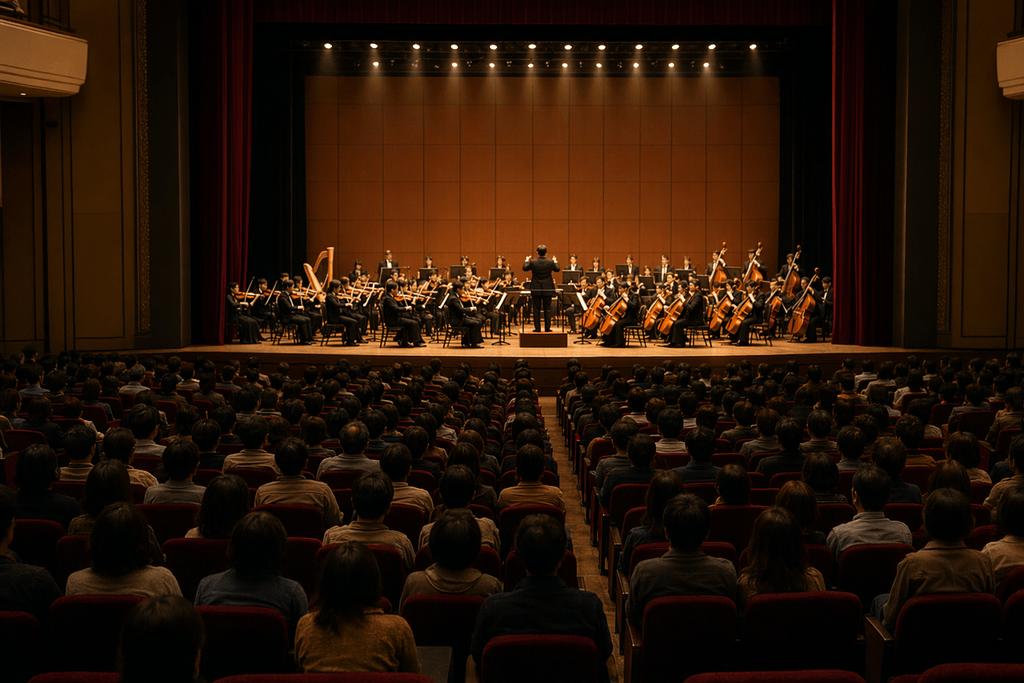
公演
公開演出
公演
公開演出
Explanation
公演
公開演出
公演
公開演出(音樂會、戲劇等) / 對外上演的舞臺表演
( Base form )
( romanization )
( hiragana )
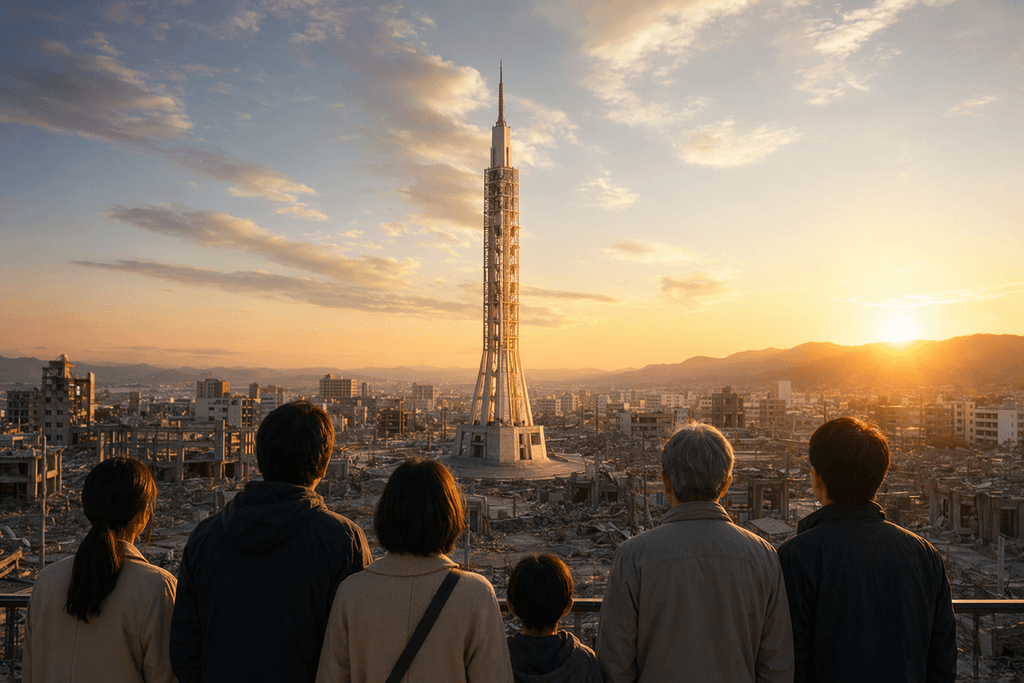
象徴
象徵
象徴
象徵
Explanation
象徴
象徵
象徴
象徵 / 標誌 / 象徵物
( Base form )
( romanization )
( kyūjitai )
( hiragana )
意向
意向
意向
意向
Explanation
意向
意向
意向
意圖、打算 / 傾向、取向 / 意願、心願

( Base form )
( romanization )
( romanization )
( hiragana historical )
( hiragana )
代わる代わる
輪流
代わる代わる
輪流
Explanation
代わる代わる
輪流
代わる代わる
輪流地 / 交替地 / 依次地

( Base form )
( romanization )
セックス
性交
セックス
性交
Explanation
性交
セックス
性交 / 性行為 / 性關係
( romanization )
反する
違反
反する
違反
Explanation
反する
違反
反する
違反;觸犯 / 與…相悖;不一致 / 相反;背道而馳

Word Forms
The basic and commonly used forms of this verb.
Basic forms
| Form | Word form | Usage |
|---|---|---|
| Imperfective form (mizenkei) |
Alternative:
反せ
反さ
|
Connects to endings such as nai, reru, and seru. |
| Continuative form (renyokei) | Connects to endings such as masu, tai, and ta. | |
| Conclusive form (shushikei) | Ends a sentence and serves as the dictionary form. | |
| Attributive form (rentaikei) | Modifies a noun. | |
| Conditional form (kateikei) | Combines with ba to express a condition. | |
| Imperative form (meireikei) |
Alternative:
反せよ
|
Expresses a command or instruction. |
Common forms
| Form | Word form | Usage |
|---|---|---|
| Te-form | Connects clauses with te. | |
| Ta-form | Expresses the past with ta. | |
| Nai-form | Expresses negation with nai. | |
| Masu-form | Used for polite speech. | |
| Ba-form | Expresses a condition with ba. | |
| Volitional form | Expresses intention or invitation. |
Notes
渦
漩渦
渦
漩渦
Explanation
渦
漩渦
渦
漩渦 / 渦流

( romanization )
( romanization )
( hiragana historical )
( hiragana )
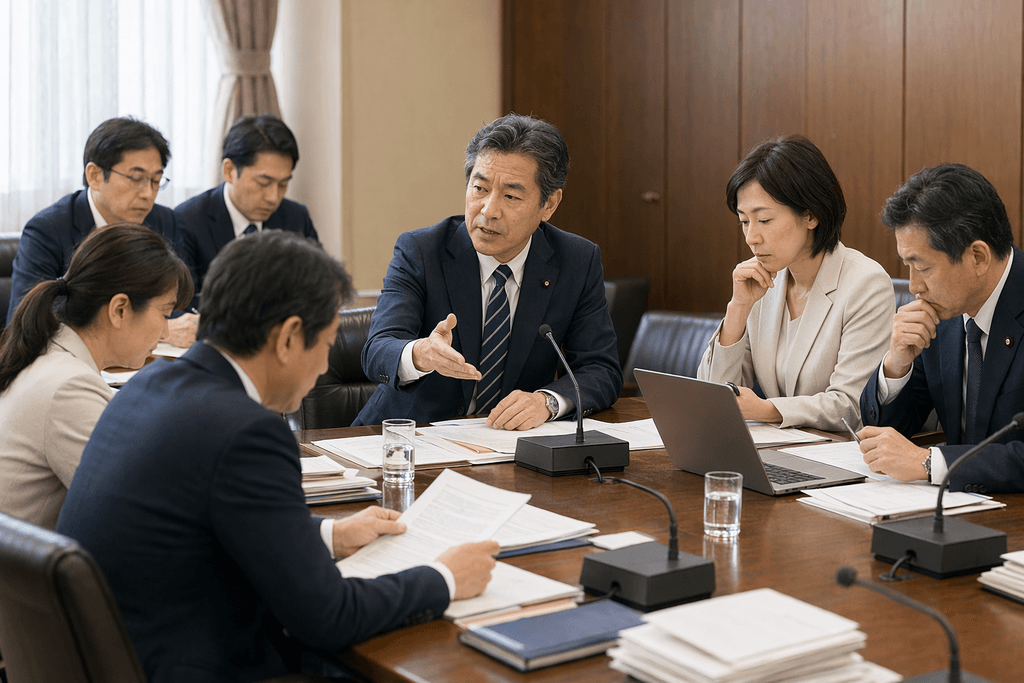
審議
審議
審議
審議
Explanation
審議
審議
審議
審慎討論與評議 / 對議題或議案的審查與辯論 / 會議中的討論與決策程序
( Base form )
( romanization )
( hiragana )
Loading...

JLPT N1 多言語単語帳・3032語 / JLPT N1 Multilingual Vocabulary: 3032 Words

Jonathan Waller 氏の JLPT Resources の語彙リスト・レベル分類を出典とし、CC BY の条件に従って DiQt が学習者向けに意味を作り直した3032語の単語帳です。JLPT公式の語彙リストではありません。
This collection of 3032 words is based on the vocabulary list and level classifications in Jonathan Waller’s JLPT Resources under CC BY, with meanings rewritten by DiQt for learners. It is not an official JLPT vocabulary list.
Key Operations
Select the first quiz:
Ctrl + Enter
View Explanation:Ctrl + G
Close a feedback:Esc
When selecting a quiz
Answer:Enter
Select a choice:↓ or ↑
Reading out the question:Ctrl + K
View Hint: Ctrl + M
I don't know: Ctrl + Y



