
JLPT N1 詞義四選一 - Unsolved

透過四選一題目,用繁體中文學習JLPT N1的3032個單字詞義。
-
全盛時期
-
定義
-
解剖 / 驗屍
-
過度密集
-
外遇
-
忠告 / 警告
-
副手 / 次要的
-
簡潔
-
女服務生
-
勝過
-
考上
-
能勝任
-
熱情
-
手勢
-
全場觀眾
-
污垢
-
救援
-
幹線
-
班組
-
國有
-
負傷
-
請求
-
展覽
-
明細
-
叫住
-
偶然看到
-
凝固 / 鞏固
- 五段活用の動詞。「舞うて」「舞うた」は古風・方言的な異形。
-
旁人目光
-
客觀性
-
形態
憤慨
憤慨
憤慨
憤慨
Explanation
憤慨
憤慨
憤慨
強烈的不滿與憤怒 / 對不公正所生的義憤 / 憤怒不平之情

( Base form )
( romanization )
( hiragana )
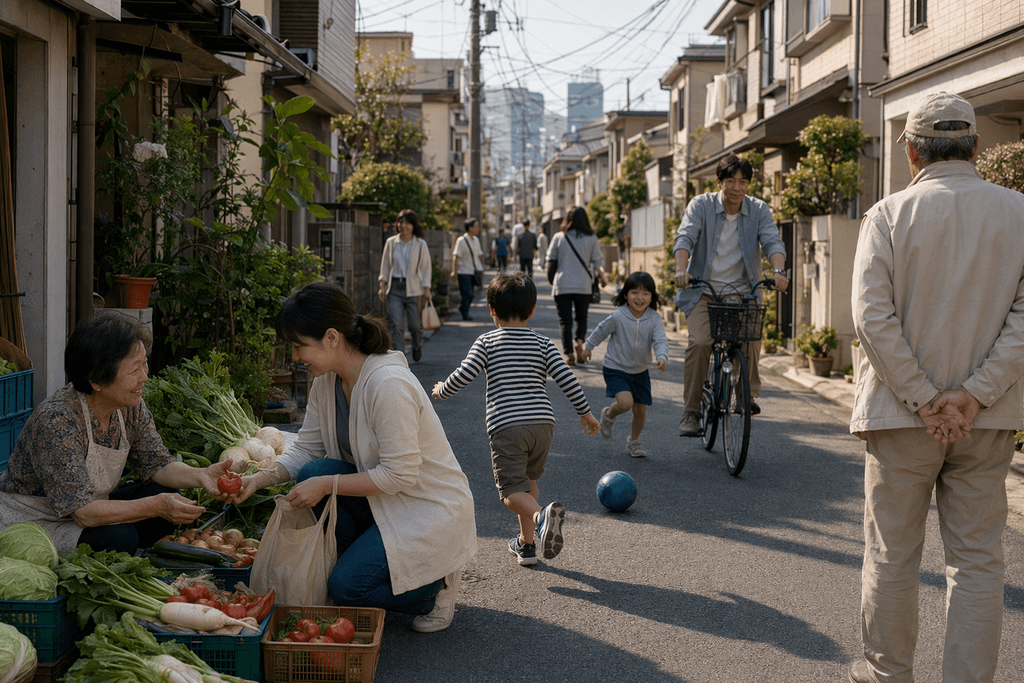
庶民
平民
庶民
平民
Explanation
庶民
平民
庶民
平民 / 普通百姓 / 一般民眾
( Base form )
( romanization )
( hiragana )
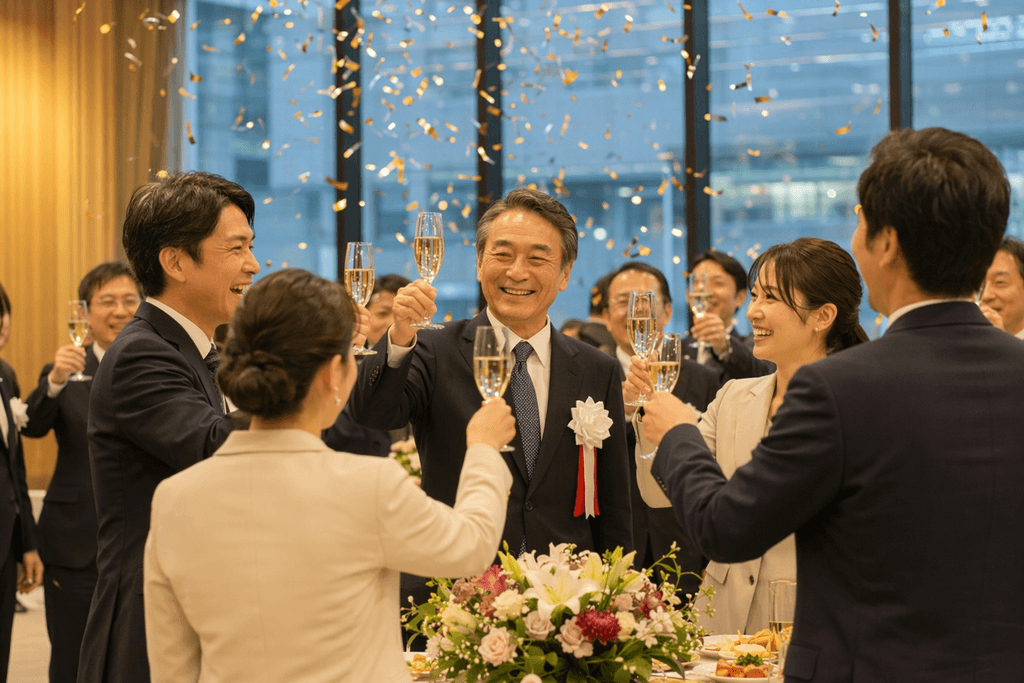
祝賀
慶賀
祝賀
慶賀
Explanation
祝賀
慶賀
祝賀
祝賀之意 / 慶祝 / 祝福的話語
( Base form )
( romanization )
( hiragana )
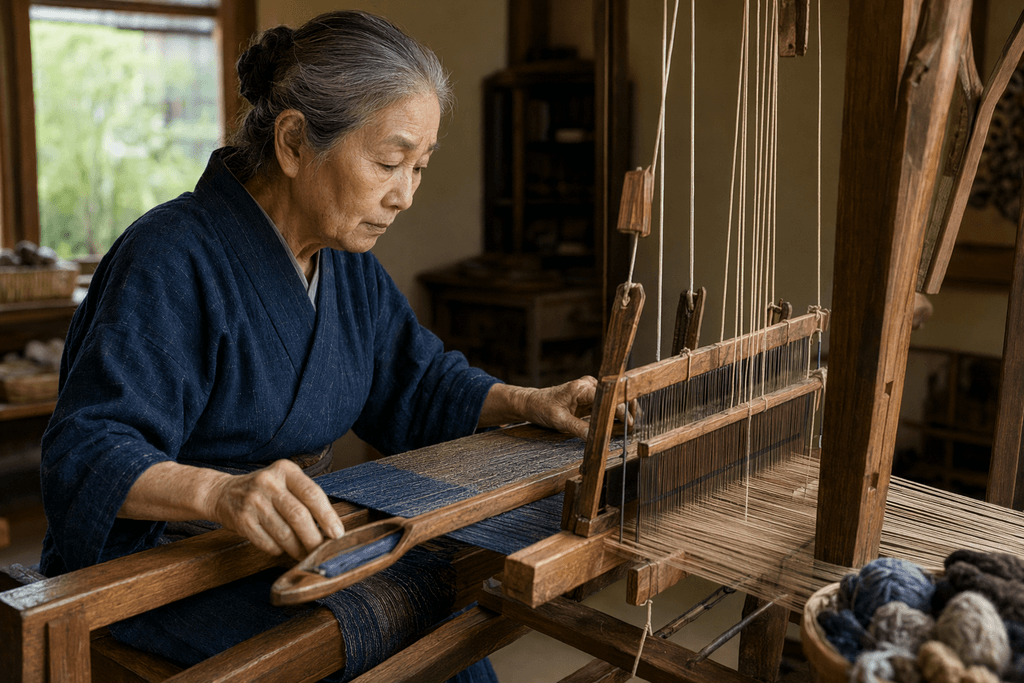
織る
織
織る
織
Explanation
織る
織
織る
編織 / 織布
Word Forms
The basic and commonly used forms of this verb.
Basic forms
| Form | Word form | Usage |
|---|---|---|
| Imperfective form (mizenkei) |
Alternative:
織ろ
|
Connects to endings such as nai, reru, and seru. |
| Continuative form (renyokei) | Connects to endings such as masu, tai, and ta. | |
| Conclusive form (shushikei) | Ends a sentence and serves as the dictionary form. | |
| Attributive form (rentaikei) | Modifies a noun. | |
| Conditional form (kateikei) | Combines with ba to express a condition. | |
| Imperative form (meireikei) | Expresses a command or instruction. |
Common forms
居住
居住
居住
居住
Explanation
居住
居住
居住
居住(行為或狀態) / 居留

( Base form )
( romanization )
( hiragana )
両立
兩者兼顧
両立
兩者兼顧
Explanation
両立
兩者兼顧
両立
並存 / 相容 / 兼容

( Base form )
( romanization )
( kyūjitai )
( hiragana )
施行
施行
施行
施行
Explanation
施行
施行
施行
實施 / 執行 / 付諸實行

( Base form )
( romanization )
( hiragana )
達成
達成
達成
達成
Explanation
達成
達成
達成
成就 / 完成 / 實現

( Base form )
( romanization )
( hiragana )
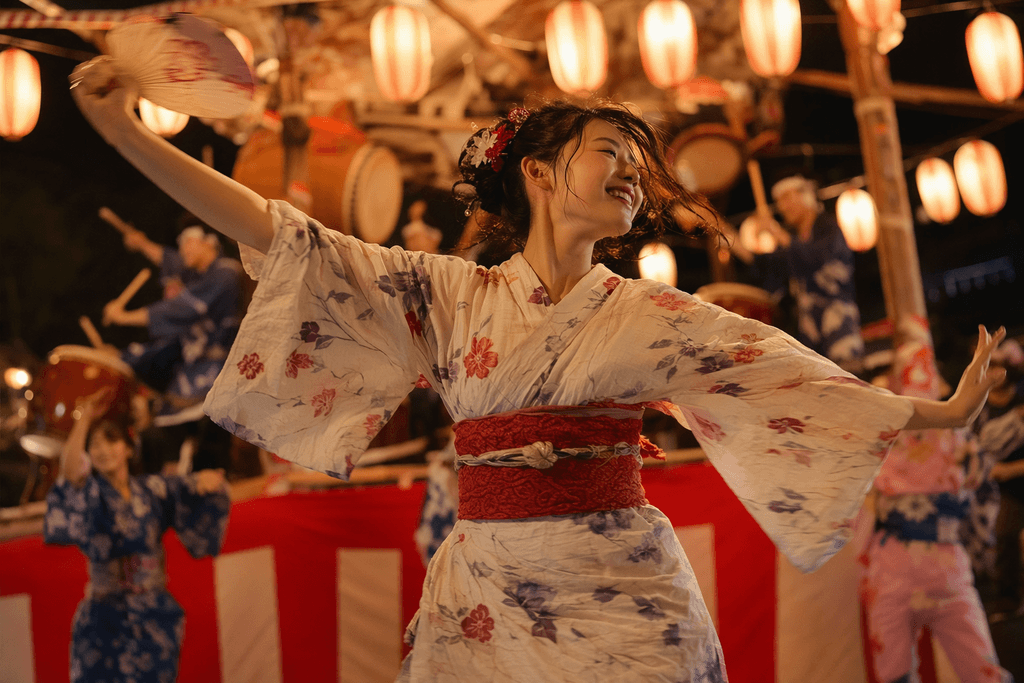
舞う
舞蹈 / 飛舞
舞う
舞蹈 / 飛舞
Explanation
舞う
舞蹈 / 飛舞
舞う
跳舞 / 旋轉;轉圈 / 持續運動
Word Forms
The basic and commonly used forms of this verb.
Basic forms
| Form | Word form | Usage |
|---|---|---|
| Imperfective form (mizenkei) |
Alternative:
舞お
|
Connects to endings such as nai, reru, and seru. |
| Continuative form (renyokei) |
Alternative:
舞っ
|
Connects to endings such as masu, tai, and ta. |
| Conclusive form (shushikei) | Ends a sentence and serves as the dictionary form. | |
| Attributive form (rentaikei) | Modifies a noun. | |
| Conditional form (kateikei) | Combines with ba to express a condition. | |
| Imperative form (meireikei) | Expresses a command or instruction. |
Common forms
| Form | Word form | Usage |
|---|---|---|
| Te-form |
Alternative:
舞うて
|
Connects clauses with te. |
| Ta-form |
Alternative:
舞うた
|
Expresses the past with ta. |
| Nai-form | Expresses negation with nai. | |
| Masu-form | Used for polite speech. | |
| Ba-form | Expresses a condition with ba. | |
| Volitional form | Expresses intention or invitation. |
Notes
情緒
情緒 / 情趣
情緒
情緒 / 情趣
Explanation
情緒
情緒 / 情趣
情緒
心情;情感的狀態 / 情感的波動或表現 / 精神與情感的整體狀態
( Base form )
( romanization )
( romanization )
( hiragana )
Loading...

JLPT N1 多言語単語帳・3032語 / JLPT N1 Multilingual Vocabulary: 3032 Words

Jonathan Waller 氏の JLPT Resources の語彙リスト・レベル分類を出典とし、CC BY の条件に従って DiQt が学習者向けに意味を作り直した3032語の単語帳です。JLPT公式の語彙リストではありません。
This collection of 3032 words is based on the vocabulary list and level classifications in Jonathan Waller’s JLPT Resources under CC BY, with meanings rewritten by DiQt for learners. It is not an official JLPT vocabulary list.
Key Operations
Select the first quiz:
Ctrl + Enter
View Explanation:Ctrl + G
Close a feedback:Esc
When selecting a quiz
Answer:Enter
Select a choice:↓ or ↑
Reading out the question:Ctrl + K
View Hint: Ctrl + M
I don't know: Ctrl + Y



