
JLPT N1 詞義四選一 - Unsolved

透過四選一題目,用繁體中文學習JLPT N1的3032個單字詞義。
-
混血
-
居住
-
航空郵件
-
臉頰
-
使命
-
阿拉伯人
-
領悟 / 開悟
-
折磨
-
弄傷 / 痛心
- 五段活用(ラ行)。「触る(さわる)」と同音だが、本語は「気に障る」「体に障る」など、害する・差し支える意で用いられる。
-
核對
-
刑罰
-
協商
-
沮喪 / 下跌
-
催收欠款 / 提拔
-
達到 / 波及
- 「嵌める」の異表記。
-
令人安心的
-
卑鄙
-
陰沉 / 煩人
-
個
-
扁平物品
-
出發 / 發射
-
護理
-
支票
-
構造 / 生魚片
-
製造商
-
雜耍
-
革新
-
雞尾酒
-
認識
-
法案
旦那
丈夫 / 主人
旦那
丈夫 / 主人
Explanation
旦那
丈夫 / 主人
旦那
布施(波羅蜜)之德目 / 對僧侶或寺院的捐贈(金錢、物品或服務)

( Base form )
( romanization )
( hiragana )
読者
讀者
読者
讀者
Explanation
読者
讀者
読者
閱讀出版物的人 / 某作品或文章的讀者

( Base form )
( romanization )
( hiragana )
障る
損害 / 妨礙
障る
損害 / 妨礙
Explanation
障る
損害 / 妨礙
障る
妨礙、干擾 / 有害;傷害(身體、健康等) / 產生不良影響

Word Forms
The basic and commonly used forms of this verb.
Basic forms
| Form | Word form | Usage |
|---|---|---|
| Imperfective form (mizenkei) |
Alternative:
障ろ
|
Connects to endings such as nai, reru, and seru. |
| Continuative form (renyokei) | Connects to endings such as masu, tai, and ta. | |
| Conclusive form (shushikei) | Ends a sentence and serves as the dictionary form. | |
| Attributive form (rentaikei) | Modifies a noun. | |
| Conditional form (kateikei) | Combines with ba to express a condition. | |
| Imperative form (meireikei) | Expresses a command or instruction. |
Common forms
| Form | Word form | Usage |
|---|---|---|
| Te-form | Connects clauses with te. | |
| Ta-form | Expresses the past with ta. | |
| Nai-form | Expresses negation with nai. | |
| Masu-form | Used for polite speech. | |
| Ba-form | Expresses a condition with ba. | |
| Volitional form | Expresses intention or invitation. |
Notes
ドライクリーニング
乾洗
ドライクリーニング
乾洗
Explanation
乾洗
ドライクリーニング
乾洗 / 乾式洗衣 / 不用水的衣物清潔法

( romanization )
填める
嵌入 / 戴上
填める
嵌入 / 戴上
Explanation
填める
嵌入 / 戴上
填める
嵌入;鑲上;裝入 / 戴上(戒指、手套等);套上 / 設局陷害;誘使上當
Word Forms
The basic and commonly used forms of this verb.
Basic forms
| Form | Word form | Usage |
|---|---|---|
| Imperfective form (mizenkei) | Connects to endings such as nai, reru, and seru. | |
| Continuative form (renyokei) | Connects to endings such as masu, tai, and ta. | |
| Conclusive form (shushikei) | Ends a sentence and serves as the dictionary form. | |
| Attributive form (rentaikei) | Modifies a noun. | |
| Conditional form (kateikei) | Combines with ba to express a condition. | |
| Imperative form (meireikei) |
Alternative:
填めよ
|
Expresses a command or instruction. |
Common forms
| Form | Word form | Usage |
|---|---|---|
| Te-form | Connects clauses with te. | |
| Ta-form | Expresses the past with ta. | |
| Nai-form | Expresses negation with nai. | |
| Masu-form | Used for polite speech. | |
| Ba-form | Expresses a condition with ba. | |
| Volitional form | Expresses intention or invitation. |
Notes
なれなれしい
過分親熱的
なれなれしい
過分親熱的
Explanation
過分親熱的
なれなれしい
過分親暱的 / 冒昧無禮的

Word Forms
The basic and commonly used forms of this adjective.
Basic forms
| Form | Word form | Usage |
|---|---|---|
| Imperfective form (mizenkei) |
Alternative:
馴れ馴れしかろ
|
Used in forms such as karou; mainly literary. |
| Continuative form (renyokei) |
Alternative:
なれなれしかっ
馴れ馴れしく
馴れ馴れしかっ
|
Used in forms such as kute and kunai. |
| Conclusive form (shushikei) |
Alternative:
馴れ馴れしい
|
Ends a sentence. |
| Attributive form (rentaikei) |
Alternative:
馴れ馴れしい
|
Modifies a noun. |
| Conditional form (kateikei) |
Alternative:
馴れ馴れしけれ
|
Expresses a condition with kereba. |
| Imperative form (meireikei) |
Alternative:
馴れ馴れしかれ
|
Rarely used in modern Japanese. |
Common forms
| Form | Word form | Usage |
|---|---|---|
| Te-form |
Alternative:
馴れ馴れしくて
|
Connects clauses with kute. |
| Ta-form |
Alternative:
馴れ馴れしかった
|
Expresses the past with katta. |
| Nai-form |
Alternative:
馴れ馴れしくない
|
Expresses negation with kunai. |
| Ba-form |
Alternative:
馴れ馴れしければ
|
Expresses a condition with kereba. |
ヶ月
個月
ヶ月
個月
Explanation
ヶ月
個月
ヶ月
以月為單位的期間量詞 / 表示持續幾個月

( romanization )
( hiragana )
罰
懲罰
罰
懲罰
Explanation
罰
懲罰
罰
懲罰 / 處罰 / 刑罰

( romanization )
( hiragana )
徴収
徵收
徴収
徵收
Explanation
徴収
徵收
徴収
收取(稅費、罰款等) / 徵收(款項、稅費) / 課徵(稅款等)

( Base form )
( romanization )
( hiragana )
一帯
一帶
一帯
一帶
Explanation
一帯
一帶
一帯
地區 / 區域 / 地帶
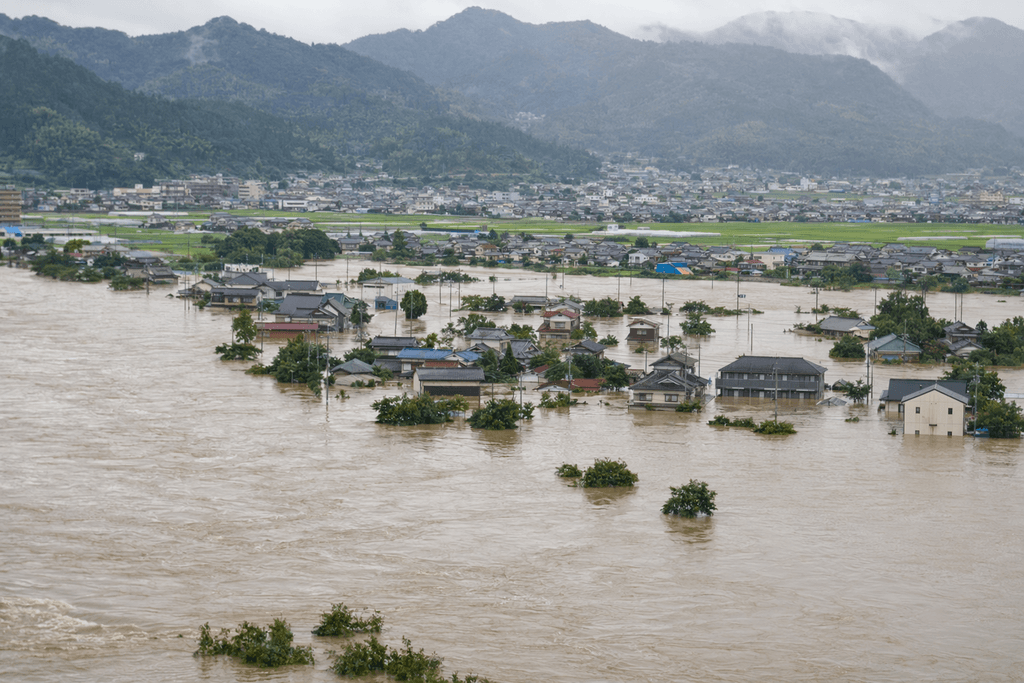
( Base form )
( romanization )
( hiragana )
Loading...

JLPT N1 多言語単語帳・3032語 / JLPT N1 Multilingual Vocabulary: 3032 Words

Jonathan Waller 氏の JLPT Resources の語彙リスト・レベル分類を出典とし、CC BY の条件に従って DiQt が学習者向けに意味を作り直した3032語の単語帳です。JLPT公式の語彙リストではありません。
This collection of 3032 words is based on the vocabulary list and level classifications in Jonathan Waller’s JLPT Resources under CC BY, with meanings rewritten by DiQt for learners. It is not an official JLPT vocabulary list.
Key Operations
Select the first quiz:
Ctrl + Enter
View Explanation:Ctrl + G
Close a feedback:Esc
When selecting a quiz
Answer:Enter
Select a choice:↓ or ↑
Reading out the question:Ctrl + K
View Hint: Ctrl + M
I don't know: Ctrl + Y



