
JLPT N1 詞義四選一 - Unsolved

透過四選一題目,用繁體中文學習JLPT N1的3032個單字詞義。
-
良心
-
逆轉 / 反敗為勝
-
詞源
-
答覆
-
報酬
-
公開徵求
-
隔週
-
防衛
-
餐巾 / 衛生棉
-
阿拉伯人
-
標語
-
一眼
-
傭人
-
一口氣 / 一舉
-
銀行存款
-
經濟不景氣
-
各式各樣
-
人體
-
柔韌的
-
迅速的
-
嫻熟的 / 巧妙的
-
丘陵
-
血管
-
僧人
-
塞進
-
毀滅
-
詢問
- 漢字表記は「出くわす」。
-
煩惱
-
匱乏
-
聖經
大水
大水
大水
大水
Explanation
大水
大水
大水
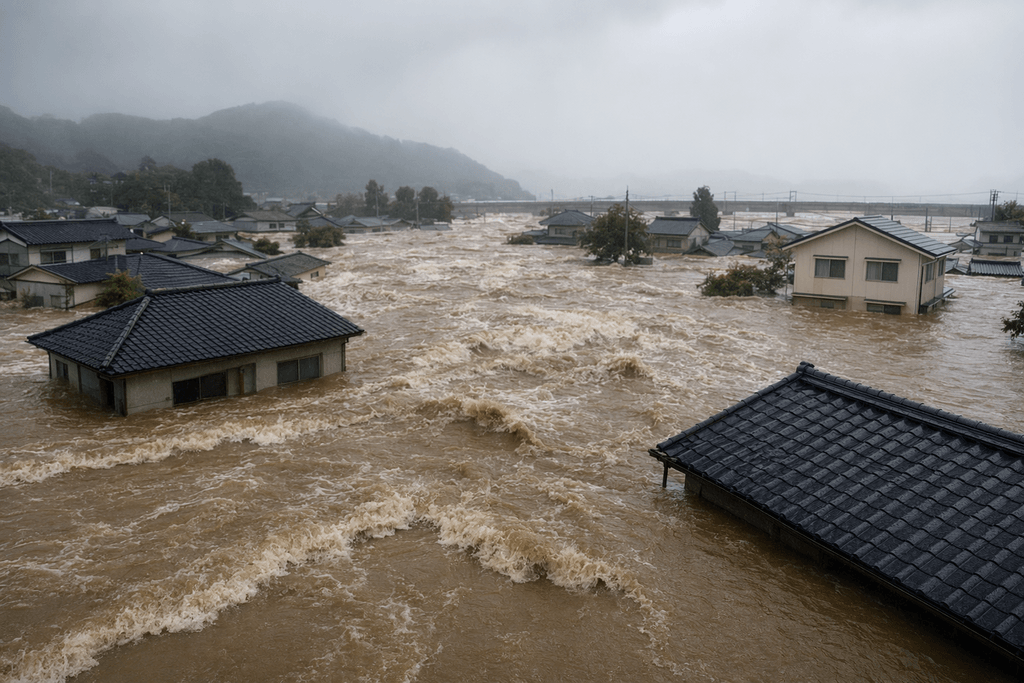
洪水 / 大河或湖泊等大型水域
( Base form )
( romanization )
( hiragana )
調停
調解
調停
調解
Explanation
調停
調解
調停
仲裁 / 調解 / 斡旋

( Base form )
( romanization )
( hiragana )
代用
代用
代用
代用
Explanation
代用
代用
代用
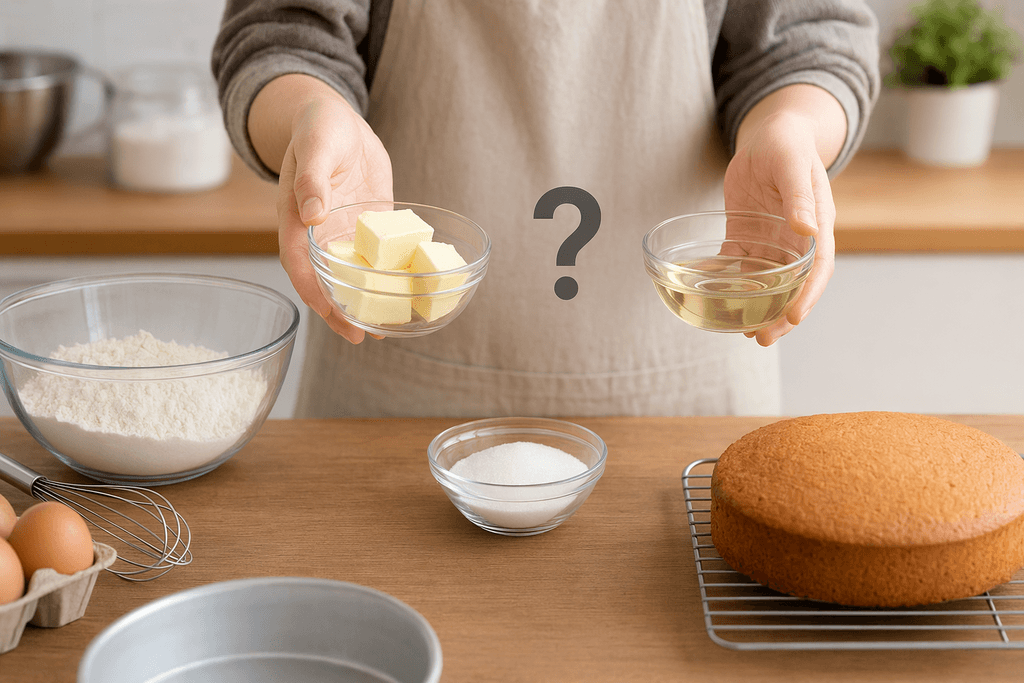
代用品 / 替代品
( Base form )
( romanization )
( hiragana )
増し
增加 / 比較好
増し
增加 / 比較好
Explanation
増し
增加 / 比較好
増し
增加 / 加量 / 額外

( Base form )
( romanization )
奨励
提倡
奨励
提倡
Explanation
奨励
提倡
奨励
鼓勵 / 獎勵 / 激勵

( Base form )
( romanization )
( romanization )
( kyūjitai )
( hiragana historical )
( hiragana )
デザイン
設計
デザイン
設計
Explanation
設計
デザイン
設計 / 設計風格 / 圖案

( romanization )
円滑
順利
円滑
順利
Explanation
円滑
順利
円滑
順利的 / 無阻礙的 / 關係和諧的

Word Forms
The basic and commonly used forms of this adjectival noun.
Basic forms
| Form | Word form | Usage |
|---|---|---|
| Imperfective form (mizenkei) | Used in forms such as darou. | |
| Continuative form (renyokei) |
Alternative:
円滑に
円滑だっ
|
Used with de or ni. |
| Conclusive form (shushikei) | Ends a sentence with da. | |
| Attributive form (rentaikei) | Modifies a noun with na. | |
| Conditional form (kateikei) |
Alternative:
円滑であれば
|
Expresses a condition with nara. |
| Imperative form (meireikei) | Used in formal expressions such as de are. |
Common forms
還元
回饋 / 還原
還元
回饋 / 還原
Explanation
還元
回饋 / 還原
還元
化學上的還原作用 / 問題的解決 / 返還、回饋

( Base form )
( romanization )
( hiragana )
でくわす
偶遇
でくわす
偶遇
Explanation
偶遇
でくわす
偶然遇到 / 碰上 / 遭遇

Word Forms
The basic and commonly used forms of this verb.
Basic forms
| Form | Word form | Usage |
|---|---|---|
| Imperfective form (mizenkei) |
Alternative:
でくわそ
|
Connects to endings such as nai, reru, and seru. |
| Continuative form (renyokei) | Connects to endings such as masu, tai, and ta. | |
| Conclusive form (shushikei) | Ends a sentence and serves as the dictionary form. | |
| Attributive form (rentaikei) | Modifies a noun. | |
| Conditional form (kateikei) | Combines with ba to express a condition. | |
| Imperative form (meireikei) | Expresses a command or instruction. |
Common forms
| Form | Word form | Usage |
|---|---|---|
| Te-form | Connects clauses with te. | |
| Ta-form | Expresses the past with ta. | |
| Nai-form | Expresses negation with nai. | |
| Masu-form | Used for polite speech. | |
| Ba-form | Expresses a condition with ba. | |
| Volitional form | Expresses intention or invitation. |
Notes
換算
換算
換算
換算
Explanation
換算
換算
換算
用比例或公式把數值換成其他單位的折算 / 按相對價值進行折算(如貨幣、尺寸) / 將不同標準轉為可比較的數值

( Base form )
( romanization )
( hiragana )
Loading...

JLPT N1 多言語単語帳・3032語 / JLPT N1 Multilingual Vocabulary: 3032 Words

Jonathan Waller 氏の JLPT Resources の語彙リスト・レベル分類を出典とし、CC BY の条件に従って DiQt が学習者向けに意味を作り直した3032語の単語帳です。JLPT公式の語彙リストではありません。
This collection of 3032 words is based on the vocabulary list and level classifications in Jonathan Waller’s JLPT Resources under CC BY, with meanings rewritten by DiQt for learners. It is not an official JLPT vocabulary list.
Key Operations
Select the first quiz:
Ctrl + Enter
View Explanation:Ctrl + G
Close a feedback:Esc
When selecting a quiz
Answer:Enter
Select a choice:↓ or ↑
Reading out the question:Ctrl + K
View Hint: Ctrl + M
I don't know: Ctrl + Y



