
JLPT N1 詞義四選一 - Unsolved

透過四選一題目,用繁體中文學習JLPT N1的3032個單字詞義。
-
珍視
-
組合起來
-
敬仰 / 請教
-
已婚
-
必修課
-
簡潔
-
歸還
-
尾巴
-
分子
-
幫浦
-
肺
-
除外
-
服裝
-
匱乏
-
健全性
-
柔軟的 / 靈活的
-
完美
-
無效的
-
各不相同
-
動態的
-
深切的
- 「漠然と」の形でも副詞的に用いられる。
- 連体形には文語的な「漠然たる」もある。
-
獨特的
-
微弱
-
關鍵
-
倚靠 / 積食
-
馴服
-
責罵
-
上市銷售 / 推出
-
脫線 / 綻放
-
變鈍
見逃す
錯過 / 放過
見逃す
錯過 / 放過
Explanation
見逃す
錯過 / 放過
見逃す
故意忽視 / 放過 / 錯過或未察覺

Word Forms
The basic and commonly used forms of this verb.
Basic forms
| Form | Word form | Usage |
|---|---|---|
| Imperfective form (mizenkei) |
Alternative:
見逃そ
|
Connects to endings such as nai, reru, and seru. |
| Continuative form (renyokei) | Connects to endings such as masu, tai, and ta. | |
| Conclusive form (shushikei) | Ends a sentence and serves as the dictionary form. | |
| Attributive form (rentaikei) | Modifies a noun. | |
| Conditional form (kateikei) | Combines with ba to express a condition. | |
| Imperative form (meireikei) | Expresses a command or instruction. |
Common forms
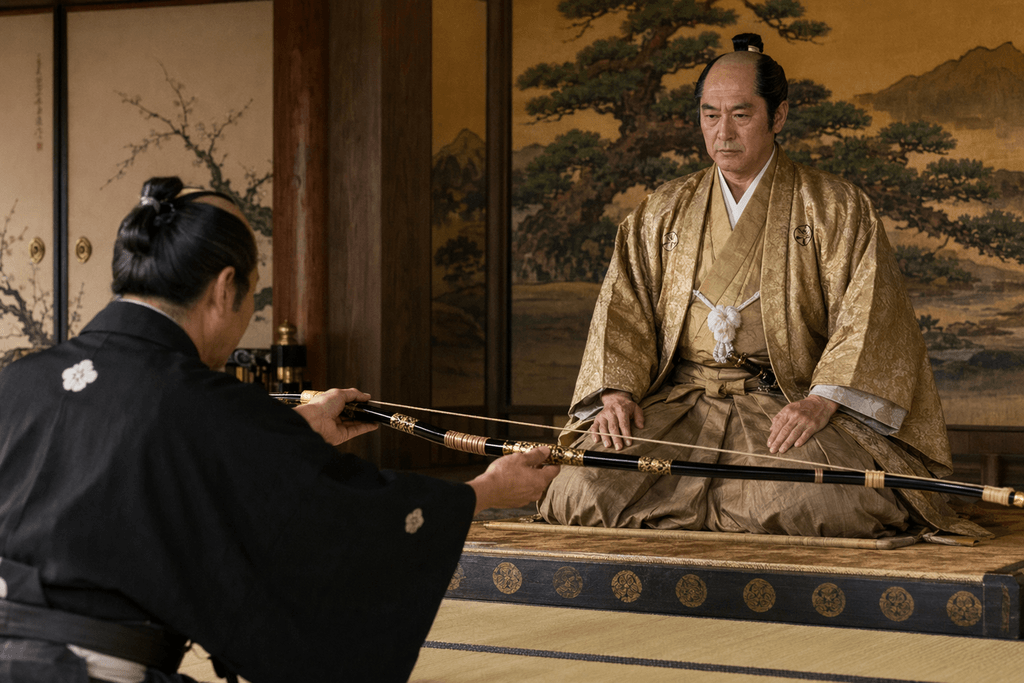
弓
弓
弓
弓
Explanation
弓
弓
弓
(敬語)指貴族所用的弓 / 對貴族所屬弓的尊稱
( romanization )
( hiragana )
起伏
起伏
起伏
起伏
Explanation
起伏
起伏
起伏
高低起落 / 地形或表面的起伏 / 人生或局勢的起落、興衰

( Base form )
( romanization )
( hiragana )
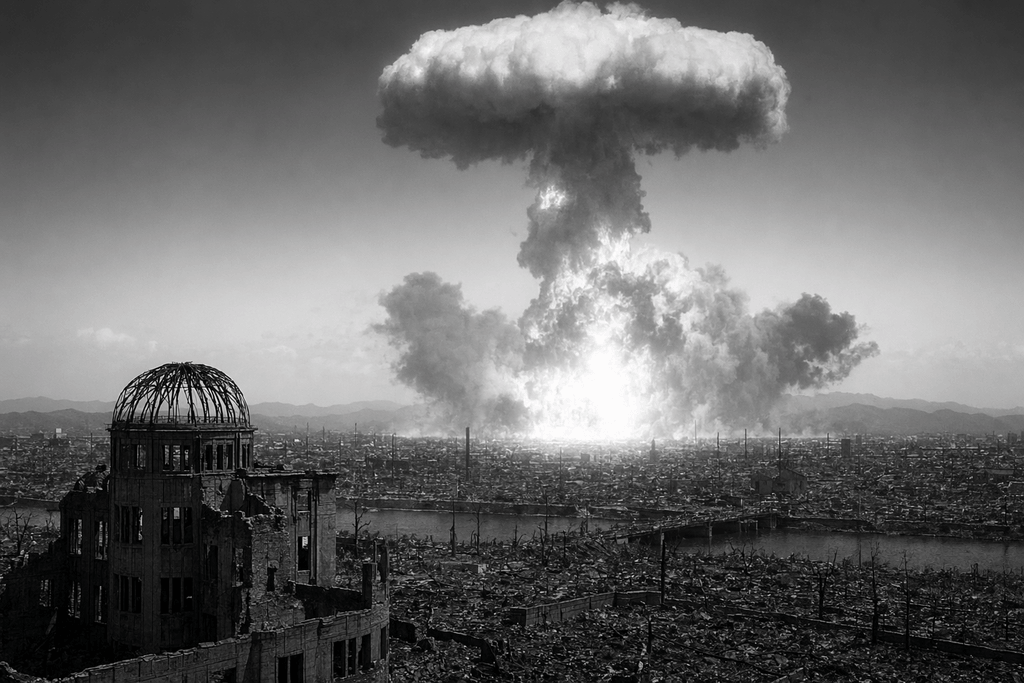
原爆
原子彈
原爆
原子彈
Explanation
原爆
原子彈
原爆
原子彈 / 原子彈轟炸
( Base form )
( romanization )
( hiragana )
感染
感染
感染
感染
Explanation
感染
感染
感染
病原體侵入並引起疾病的狀態 / 疾病的傳播;傳染

( Base form )
( romanization )
( hiragana )
健やか
健康的
健やか
健康的
Explanation
健やか
健康的
健やか
健康的 / 健全的 / 強健的

Word Forms
The basic and commonly used forms of this adjectival noun.
Basic forms
| Form | Word form | Usage |
|---|---|---|
| Imperfective form (mizenkei) |
Alternative:
健やかでしょ
|
Used in forms such as darou. |
| Continuative form (renyokei) |
Alternative:
健やかに
|
Used with de or ni. |
| Conclusive form (shushikei) |
Alternative:
健やかです
|
Ends a sentence with da. |
| Attributive form (rentaikei) |
Alternative:
健やかなる
|
Modifies a noun with na. |
| Conditional form (kateikei) | Expresses a condition with nara. | |
| Imperative form (meireikei) | Used in formal expressions such as de are. |
Common forms
漠然
模糊的
漠然
模糊的
Explanation
漠然
模糊的
漠然
模糊的 / 不清楚的 / 不明確的

Word Forms
The basic and commonly used forms of this adjectival noun.
Basic forms
| Form | Word form | Usage |
|---|---|---|
| Imperfective form (mizenkei) | Used in forms such as darou. | |
| Continuative form (renyokei) |
Alternative:
漠然に
|
Used with de or ni. |
| Conclusive form (shushikei) | Ends a sentence with da. | |
| Attributive form (rentaikei) |
Alternative:
漠然たる
|
Modifies a noun with na. |
| Conditional form (kateikei) | Expresses a condition with nara. | |
| Imperative form (meireikei) | Used in formal expressions such as de are. |
Common forms
| Form | Word form | Usage |
|---|---|---|
| Te-form equivalent | Connects clauses using de. | |
| Ta-form | Expresses the past with datta. | |
| Nai-form |
Alternative:
漠然じゃない
|
Expresses negation with dewa nai or ja nai. |
| Desu-form | Used for polite speech. |
Notes
巧み
嫻熟的 / 巧妙的
巧み
嫻熟的 / 巧妙的
Explanation
巧み
嫻熟的 / 巧妙的
巧み
技巧 / 技藝 / 手藝

Word Forms
The basic and commonly used forms of this adjectival noun.
Basic forms
| Form | Word form | Usage |
|---|---|---|
| Imperfective form (mizenkei) |
Alternative:
巧みであろ
|
Used in forms such as darou. |
| Continuative form (renyokei) |
Alternative:
巧みに
巧みだっ
|
Used with de or ni. |
| Conclusive form (shushikei) |
Alternative:
巧みである
|
Ends a sentence with da. |
| Attributive form (rentaikei) |
Alternative:
巧みである
|
Modifies a noun with na. |
| Conditional form (kateikei) |
Alternative:
巧みであれば
|
Expresses a condition with nara. |
| Imperative form (meireikei) | Used in formal expressions such as de are. |
Common forms
揉める
發生爭執
揉める
發生爭執
Explanation
揉める
發生爭執
揉める
發生爭執 / 鬧矛盾 / 煩惱不安

Word Forms
The basic and commonly used forms of this verb.
Basic forms
| Form | Word form | Usage |
|---|---|---|
| Imperfective form (mizenkei) | Connects to endings such as nai, reru, and seru. | |
| Continuative form (renyokei) | Connects to endings such as masu, tai, and ta. | |
| Conclusive form (shushikei) | Ends a sentence and serves as the dictionary form. | |
| Attributive form (rentaikei) | Modifies a noun. | |
| Conditional form (kateikei) | Combines with ba to express a condition. | |
| Imperative form (meireikei) |
Alternative:
揉めよ
|
Expresses a command or instruction. |
Common forms
受け付ける
受理
受け付ける
受理
Explanation
受け付ける
受理
受け付ける
受理;接受(申請、訂單等) / 櫃台受理;收件 / 能接受;容得下(如身體對食物)

Word Forms
The basic and commonly used forms of this verb.
Basic forms
| Form | Word form | Usage |
|---|---|---|
| Imperfective form (mizenkei) | Connects to endings such as nai, reru, and seru. | |
| Continuative form (renyokei) | Connects to endings such as masu, tai, and ta. | |
| Conclusive form (shushikei) | Ends a sentence and serves as the dictionary form. | |
| Attributive form (rentaikei) | Modifies a noun. | |
| Conditional form (kateikei) | Combines with ba to express a condition. | |
| Imperative form (meireikei) |
Alternative:
受け付けよ
|
Expresses a command or instruction. |
Common forms
Loading...

JLPT N1 多言語単語帳・3032語 / JLPT N1 Multilingual Vocabulary: 3032 Words

Jonathan Waller 氏の JLPT Resources の語彙リスト・レベル分類を出典とし、CC BY の条件に従って DiQt が学習者向けに意味を作り直した3032語の単語帳です。JLPT公式の語彙リストではありません。
This collection of 3032 words is based on the vocabulary list and level classifications in Jonathan Waller’s JLPT Resources under CC BY, with meanings rewritten by DiQt for learners. It is not an official JLPT vocabulary list.
Key Operations
Select the first quiz:
Ctrl + Enter
View Explanation:Ctrl + G
Close a feedback:Esc
When selecting a quiz
Answer:Enter
Select a choice:↓ or ↑
Reading out the question:Ctrl + K
View Hint: Ctrl + M
I don't know: Ctrl + Y



