
JLPT N1 詞義四選一 - Unsolved

透過四選一題目,用繁體中文學習JLPT N1的3032個單字詞義。
-
群
-
重
-
費用 / 原料
-
申報 / 報稅
-
一打
-
絕望
-
阻礙
-
鍛鍊 / 鍛造
-
肩負
-
手工藝
-
暴力
-
困難 / 缺陷
-
致力於
-
貶低
-
率領
- 「重んずる」はサ変系の「〜ずる」動詞で、「重んじる」と同義。現代語では連用形由来の「重んじて」「重んじた」「重んじない」が一般的。
-
西裝褲
-
視野 / 眼界
-
過渡
-
職位
-
停戰
-
標籤
-
分散 / 變異數
-
高原
-
壓制
-
體貼的 / 細膩的
-
光彩奪目
-
精密的
-
雜貨
-
重逢
-
助詞
庁
廳
庁
廳
Explanation
庁
廳
庁
政府機關 / 行政機構 / 廳

( romanization )
( hiragana )
小児科
兒科
小児科
兒科
Explanation
小児科
兒科
小児科
研究與治療嬰幼兒與兒童疾病的醫學領域 / 醫院中負責兒童診療的科別

( Base form )
( romanization )
( kyūjitai )
( hiragana )
追い出す
趕走
追い出す
趕走
Explanation
追い出す
趕走
追い出す
趕出 / 逐出 / 驅逐

Word Forms
The basic and commonly used forms of this verb.
Basic forms
| Form | Word form | Usage |
|---|---|---|
| Imperfective form (mizenkei) |
Alternative:
追い出そ
|
Connects to endings such as nai, reru, and seru. |
| Continuative form (renyokei) | Connects to endings such as masu, tai, and ta. | |
| Conclusive form (shushikei) | Ends a sentence and serves as the dictionary form. | |
| Attributive form (rentaikei) | Modifies a noun. | |
| Conditional form (kateikei) | Combines with ba to express a condition. | |
| Imperative form (meireikei) | Expresses a command or instruction. |
Common forms
資産
資產
資産
資產
Explanation
資産
資產
資産
財產、所有物 / 資產(具經濟價值的資源) / (會計)資產

( Base form )
( romanization )
( hiragana )
重んずる
重視
重んずる
重視
Explanation
重んずる
重視
重んずる
尊重 / 重視 / 珍惜

Word Forms
The basic and commonly used forms of this verb.
Basic forms
| Form | Word form | Usage |
|---|---|---|
| Imperfective form (mizenkei) |
Alternative:
重んぜ
|
Connects to endings such as nai, reru, and seru. |
| Continuative form (renyokei) | Connects to endings such as masu, tai, and ta. | |
| Conclusive form (shushikei) | Ends a sentence and serves as the dictionary form. | |
| Attributive form (rentaikei) | Modifies a noun. | |
| Conditional form (kateikei) | Combines with ba to express a condition. | |
| Imperative form (meireikei) |
Alternative:
重んぜよ
重んじよ
|
Expresses a command or instruction. |
Common forms
| Form | Word form | Usage |
|---|---|---|
| Te-form | Connects clauses with te. | |
| Ta-form | Expresses the past with ta. | |
| Nai-form |
Alternative:
重んぜない
|
Expresses negation with nai. |
| Masu-form | Used for polite speech. | |
| Ba-form |
Alternative:
重んじれば
|
Expresses a condition with ba. |
| Volitional form | Expresses intention or invitation. |
Notes
インテリ
知識分子
インテリ
知識分子
Explanation
知識分子
インテリ
知識分子 / 知識階層 / 知識菁英

( romanization )
内乱
內亂
内乱
內亂
Explanation
内乱
內亂
内乱
內戰;叛亂 / 國內的動亂、騷亂 / (刑法)內亂罪

( Base form )
( romanization )
( kyūjitai )
( hiragana )
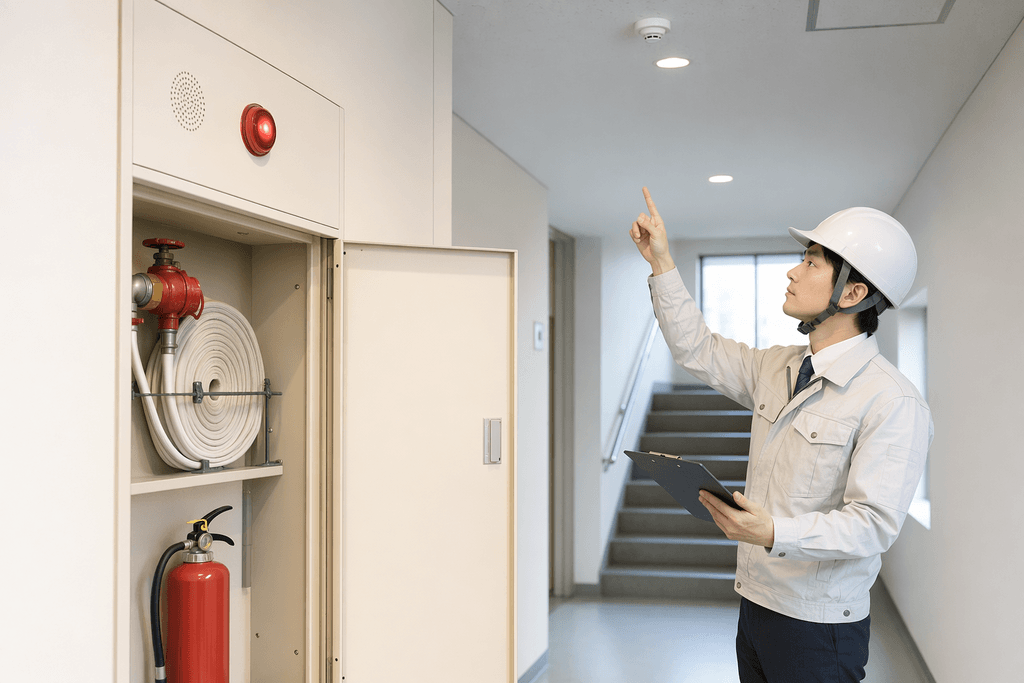
防火
防火
防火
防火
Explanation
防火
防火
防火
火災預防 / 防火性、耐火性 / 防火措施
( Base form )
( romanization )
( hiragana )
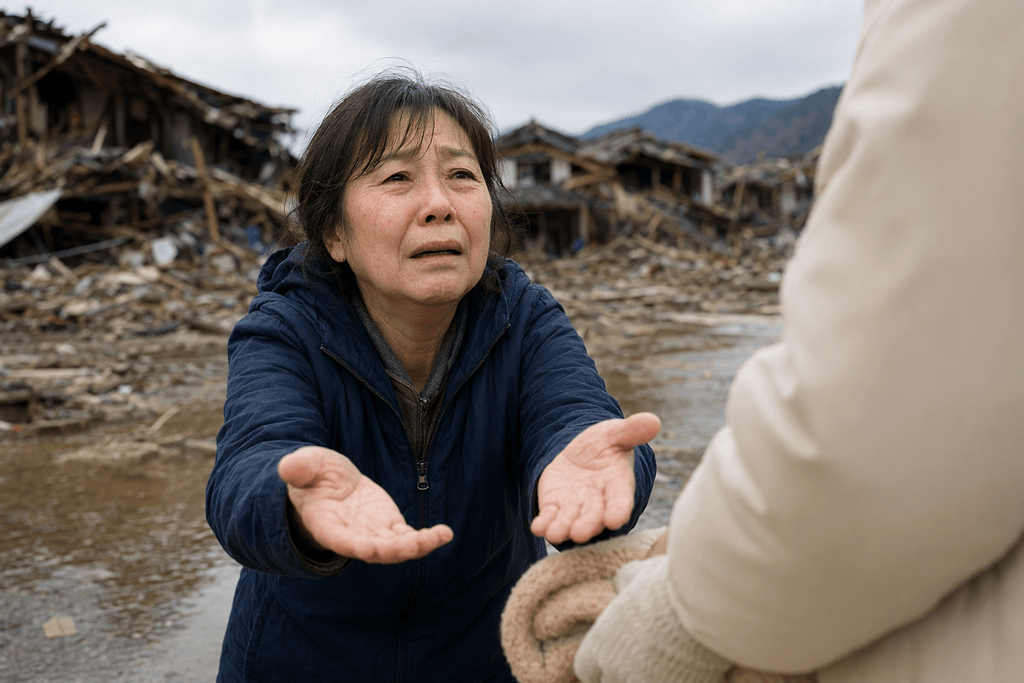
切実
迫切的 / 懇切的
切実
迫切的 / 懇切的
Explanation
切実
迫切的 / 懇切的
切実
深切的 / 迫切的 / 誠摯的
Word Forms
The basic and commonly used forms of this adjectival noun.
Basic forms
| Form | Word form | Usage |
|---|---|---|
| Imperfective form (mizenkei) | Used in forms such as darou. | |
| Continuative form (renyokei) |
Alternative:
切実に
|
Used with de or ni. |
| Conclusive form (shushikei) | Ends a sentence with da. | |
| Attributive form (rentaikei) |
Alternative:
切実の
|
Modifies a noun with na. |
| Conditional form (kateikei) | Expresses a condition with nara. | |
| Imperative form (meireikei) | Used in formal expressions such as de are. |
Common forms
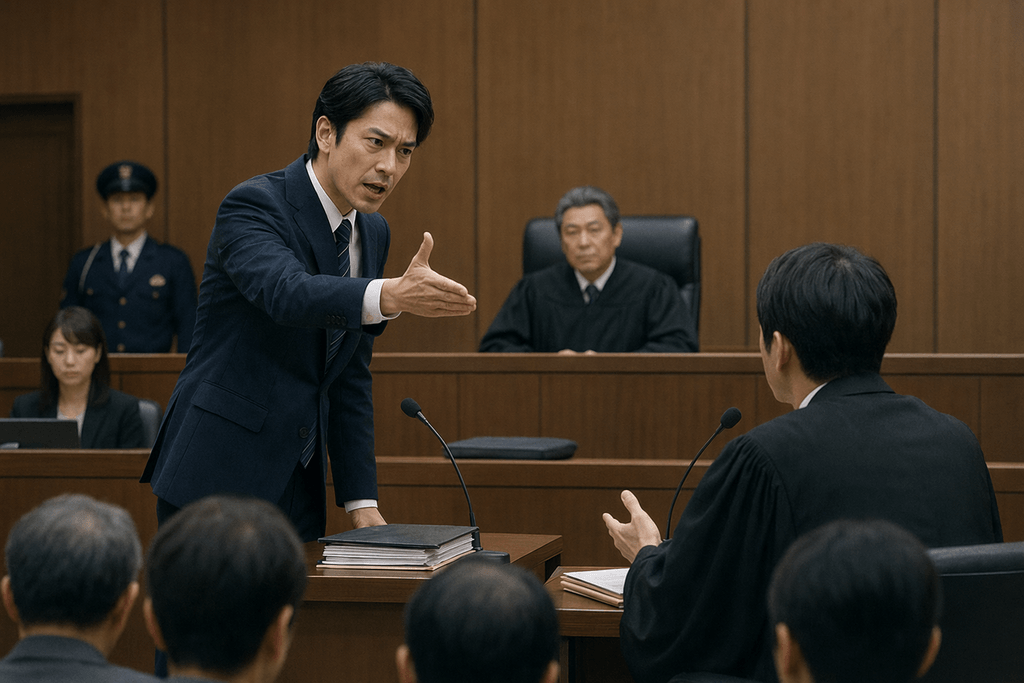
検事
檢察官
検事
檢察官
Explanation
検事
檢察官
検事
檢察官 / 公訴人
( Base form )
( romanization )
( kyūjitai )
( hiragana )
Loading...

JLPT N1 多言語単語帳・3032語 / JLPT N1 Multilingual Vocabulary: 3032 Words

Jonathan Waller 氏の JLPT Resources の語彙リスト・レベル分類を出典とし、CC BY の条件に従って DiQt が学習者向けに意味を作り直した3032語の単語帳です。JLPT公式の語彙リストではありません。
This collection of 3032 words is based on the vocabulary list and level classifications in Jonathan Waller’s JLPT Resources under CC BY, with meanings rewritten by DiQt for learners. It is not an official JLPT vocabulary list.
Key Operations
Select the first quiz:
Ctrl + Enter
View Explanation:Ctrl + G
Close a feedback:Esc
When selecting a quiz
Answer:Enter
Select a choice:↓ or ↑
Reading out the question:Ctrl + K
View Hint: Ctrl + M
I don't know: Ctrl + Y



