
JLPT N5 詞義四選一 - Unsolved

透過四選一題目,用繁體中文學習JLPT N5的665個單字詞義。
-
全部
-
非常
-
怎麼
-
還 / 還沒
-
全部
-
馬上
-
影印
-
回家
-
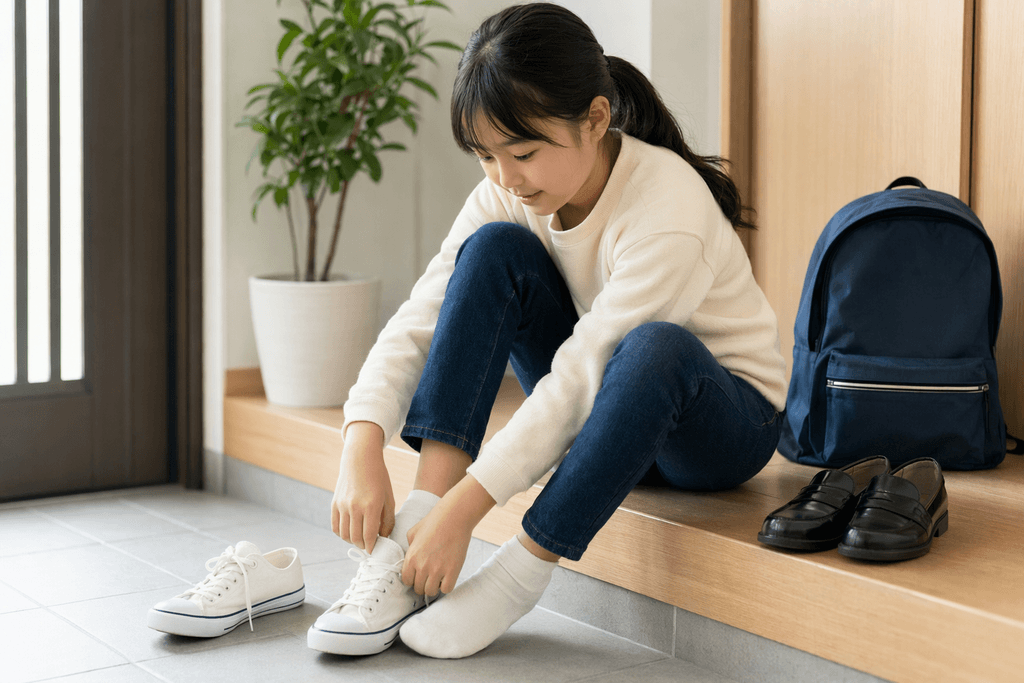
穿衣服
- 「履く」「穿く」などと書く。下半身に着ける衣類・履物について用いる。
- 連用形「はい」は「て・た」接続で現れる音便形。
-
椅子
-
考試
-
洗澡
-
謝謝
-
是
-
不
-
房子
-
牙齒
-
女人
-
橋
-
自己
-
餐廳
-
阿姨 / 中年婦女
-
北
-
飛機
-
早
-
冰涼
-
難吃
-
早晨
-
小孩
-
電影
結構
相當 / 足夠
結構
相當 / 足夠
Explanation
結構
相當 / 足夠
結構
相當 / 頗為 / 很

( Base form )
( romanization )
( hiragana )
毎朝
每天早上
毎朝
每天早上
Explanation
毎朝
每天早上
毎朝
每天早上 / 每個早晨

( Base form )
( romanization )
( hiragana )
はく
穿褲子 / 穿鞋
はく
穿褲子 / 穿鞋
Explanation
穿褲子 / 穿鞋
はく
穿(下身衣物或鞋襪) / 穿上(鞋、襪、褲、裙)
Word Forms
The basic and commonly used forms of this verb.
Basic forms
| Form | Word form | Usage |
|---|---|---|
| Imperfective form (mizenkei) |
Alternative:
はこ
|
Connects to endings such as nai, reru, and seru. |
| Continuative form (renyokei) |
Alternative:
はい
|
Connects to endings such as masu, tai, and ta. |
| Conclusive form (shushikei) | Ends a sentence and serves as the dictionary form. | |
| Attributive form (rentaikei) | Modifies a noun. | |
| Conditional form (kateikei) | Combines with ba to express a condition. | |
| Imperative form (meireikei) | Expresses a command or instruction. |
Common forms
| Form | Word form | Usage |
|---|---|---|
| Te-form | Connects clauses with te. | |
| Ta-form | Expresses the past with ta. | |
| Nai-form | Expresses negation with nai. | |
| Masu-form | Used for polite speech. | |
| Ba-form | Expresses a condition with ba. | |
| Volitional form | Expresses intention or invitation. |
Notes
西
西
西
西
Explanation
西
西
西
西方;西邊 / 西方世界;西洋
( romanization )
( hiragana )
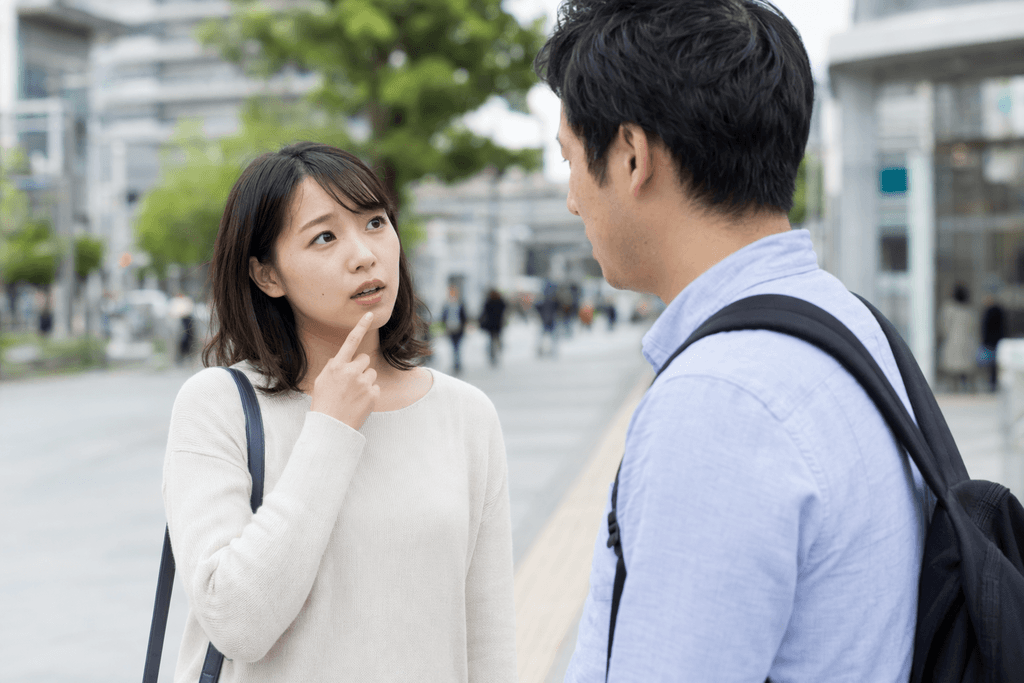
あの
嗯
あの
嗯
Explanation
嗯
あの
表示猶豫或思考時的語氣詞,相當於「呃、嗯」 / 會話中的填充詞或停頓,類似英語的「uh」
( romanization )
男
男人
男
男人
Explanation
男
男人
男
男人 / 男性 / 兒子

( romanization )
( hiragana )
土曜日
星期六
土曜日
星期六
Explanation
土曜日
星期六
土曜日
星期六 / 週六 / 禮拜六
( Base form )
( romanization )
( romanization )
( hiragana historical )
( hiragana )
一人
一個人
一人
一個人
Explanation
一人
一個人
一人
一個人;單一個體 / 獨力;靠自己之力 / 單身者;未婚者

( Base form )
( romanization )
( hiragana )
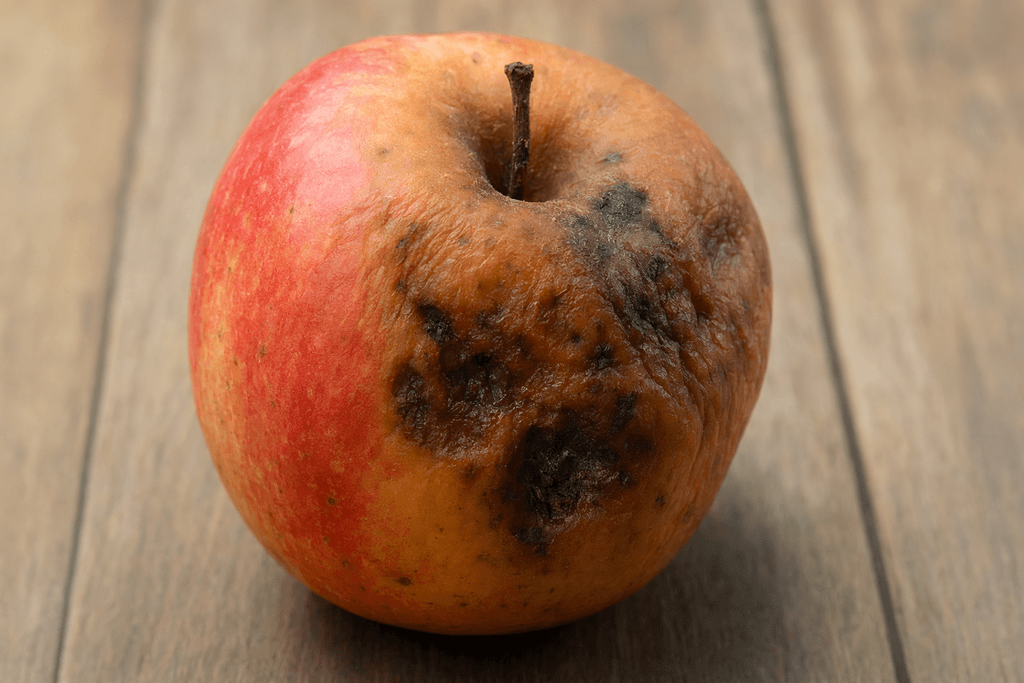
悪い
壞
悪い
壞
Explanation
悪い
壞
悪い
壞的;惡劣的;邪惡的 / 不對的;有過錯的;不當的;有害的 / 身體不適的;生病的;抱歉的
Word Forms
The basic and commonly used forms of this adjective.
Basic forms
| Form | Word form | Usage |
|---|---|---|
| Imperfective form (mizenkei) | Used in forms such as karou; mainly literary. | |
| Continuative form (renyokei) |
Alternative:
悪かっ
|
Used in forms such as kute and kunai. |
| Conclusive form (shushikei) | Ends a sentence. | |
| Attributive form (rentaikei) | Modifies a noun. | |
| Conditional form (kateikei) | Expresses a condition with kereba. | |
| Imperative form (meireikei) | Rarely used in modern Japanese. |
Common forms
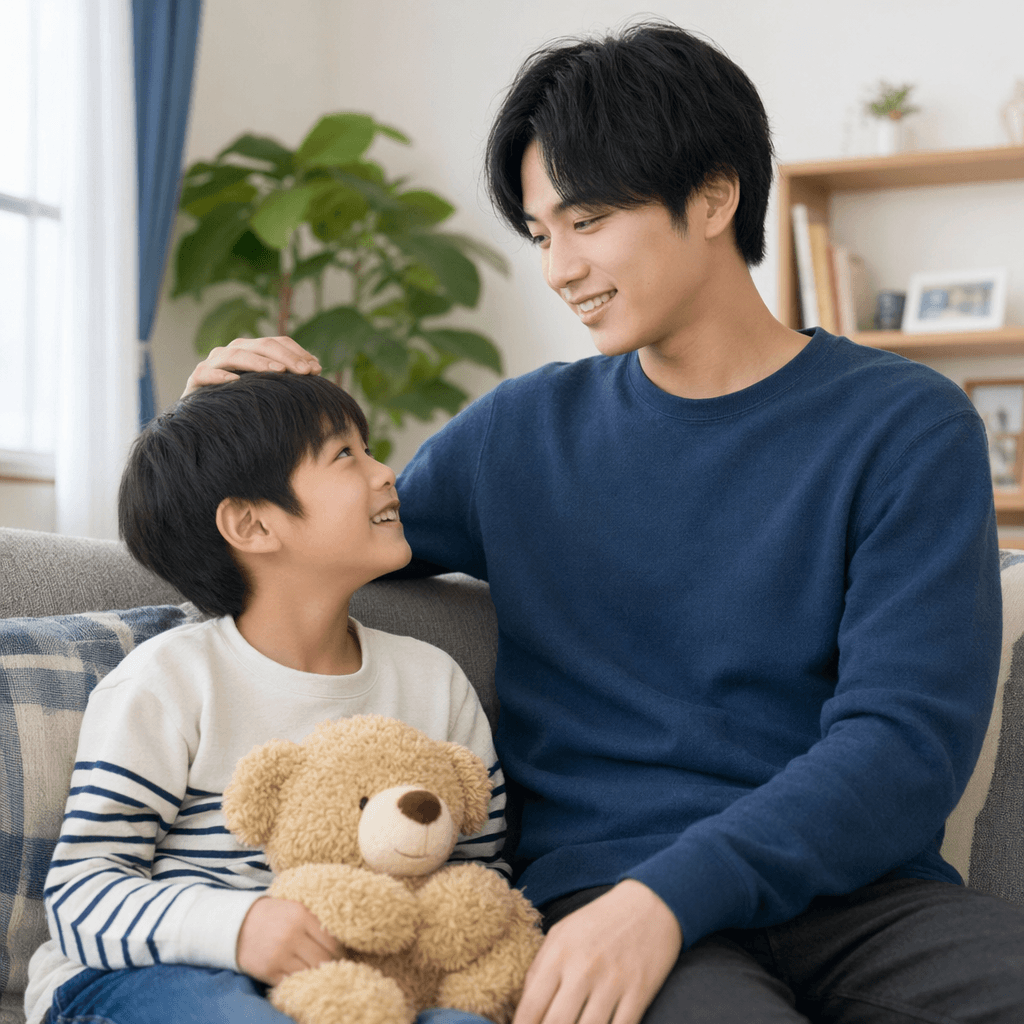
お兄さん
哥哥
お兄さん
哥哥
Explanation
お兄さん
哥哥
お兄さん
(敬稱)哥哥 / 對年輕男性陌生人的稱呼,指「你」或「他」
( Base form )
( romanization )
Loading...

JLPT N5 多言語単語帳・665語 / JLPT N5 Multilingual Vocabulary: 665 Words

Jonathan Waller 氏の JLPT Resources の語彙リスト・レベル分類を出典とし、CC BY の条件に従って DiQt が初級向けに意味を作り直した665語の単語帳です。JLPT公式の語彙リストではありません。
This collection of 665 words is based on the vocabulary list and level classifications in Jonathan Waller’s JLPT Resources under CC BY, with meanings rewritten by DiQt for beginners. It is not an official JLPT vocabulary list.
Key Operations
Select the first quiz:
Ctrl + Enter
View Explanation:Ctrl + G
Close a feedback:Esc
When selecting a quiz
Answer:Enter
Select a choice:↓ or ↑
Reading out the question:Ctrl + K
View Hint: Ctrl + M
I don't know: Ctrl + Y



