
JLPT N5 詞義四選一 - Unsolved

透過四選一題目,用繁體中文學習JLPT N5的665個單字詞義。
-
說
-
吸菸 / 吸氣
-
放入
- 「帰る」は語尾が「る」でも一段活用ではなく五段活用です。
-
賣
-
變成
-
切
-
糖
-
祖母 / 老太太
-
旁邊
-
烹飪 / 菜餚
-
一天 / 一整天
-
運動
-
開
-
死
-
拿
-
居住
-
結束
-
玩
- 「見る」のかな表記。
-
信封
-
新聞
-
洗澡
-
海
-
鹽
-
四天 / 四號
-
再
-
慢慢地
-
更多
-
請
-
經常 / 好好地
-
附近
帰る
回家
帰る
回家
Explanation
帰る
回家
帰る
返回 / 回去 / 回家

Word Forms
The basic and commonly used forms of this verb.
Basic forms
| Form | Word form | Usage |
|---|---|---|
| Imperfective form (mizenkei) |
Alternative:
帰ろ
|
Connects to endings such as nai, reru, and seru. |
| Continuative form (renyokei) | Connects to endings such as masu, tai, and ta. | |
| Conclusive form (shushikei) | Ends a sentence and serves as the dictionary form. | |
| Attributive form (rentaikei) | Modifies a noun. | |
| Conditional form (kateikei) | Combines with ba to express a condition. | |
| Imperative form (meireikei) | Expresses a command or instruction. |
Common forms
| Form | Word form | Usage |
|---|---|---|
| Te-form | Connects clauses with te. | |
| Ta-form | Expresses the past with ta. | |
| Nai-form | Expresses negation with nai. | |
| Masu-form | Used for polite speech. | |
| Ba-form | Expresses a condition with ba. | |
| Volitional form | Expresses intention or invitation. |
Notes
寝る
睡覺 / 上床睡覺
寝る
睡覺 / 上床睡覺
Explanation
寝る
睡覺 / 上床睡覺
寝る
睡覺 / 就寢 / 躺下休息

Word Forms
The basic and commonly used forms of this verb.
Basic forms
| Form | Word form | Usage |
|---|---|---|
| Imperfective form (mizenkei) | Connects to endings such as nai, reru, and seru. | |
| Continuative form (renyokei) | Connects to endings such as masu, tai, and ta. | |
| Conclusive form (shushikei) | Ends a sentence and serves as the dictionary form. | |
| Attributive form (rentaikei) | Modifies a noun. | |
| Conditional form (kateikei) | Combines with ba to express a condition. | |
| Imperative form (meireikei) |
Alternative:
寝よ
|
Expresses a command or instruction. |
Common forms
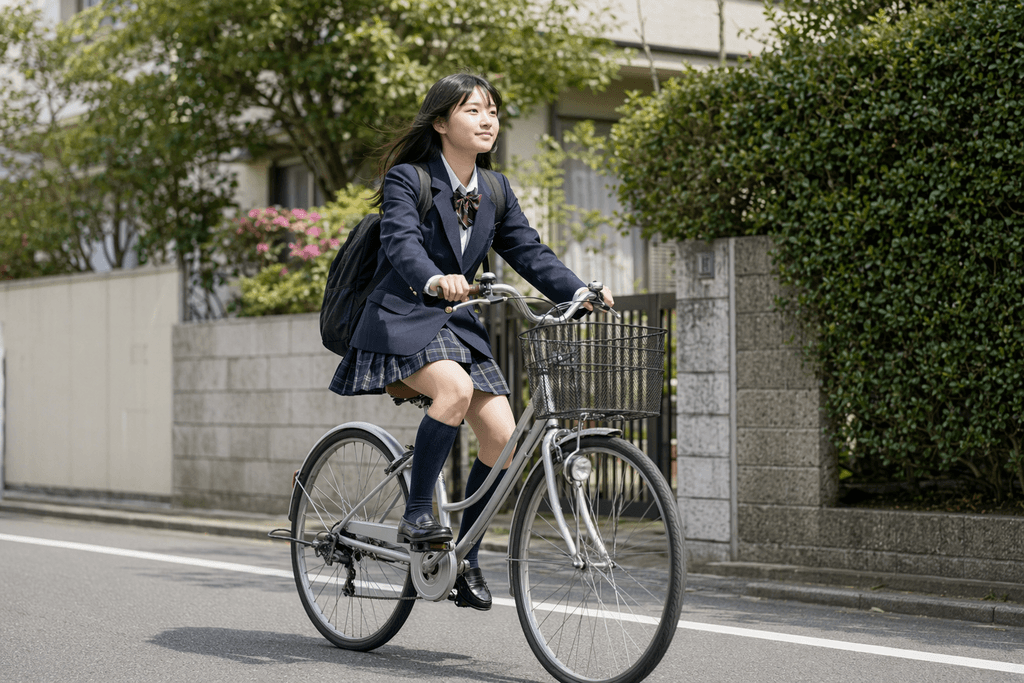
自転車
腳踏車
自転車
腳踏車
Explanation
自転車
腳踏車
自転車
腳踏車 / 自行車 / 單車
( Base form )
( romanization )
( romanization )
( counter )
( kyūjitai )
( hiragana historical )
( hiragana )
火曜日
星期二
火曜日
星期二
Explanation
火曜日
星期二
火曜日
星期二 / 週二 / 禮拜二
( Base form )
( romanization )
( romanization )
( hiragana historical )
( hiragana )
吹く
吹
吹く
吹
Explanation
吹く
吹
吹く
刮風 / 吹動空氣 / (氣體或液體)噴出

Word Forms
The basic and commonly used forms of this verb.
Basic forms
| Form | Word form | Usage |
|---|---|---|
| Imperfective form (mizenkei) |
Alternative:
吹こ
|
Connects to endings such as nai, reru, and seru. |
| Continuative form (renyokei) | Connects to endings such as masu, tai, and ta. | |
| Conclusive form (shushikei) | Ends a sentence and serves as the dictionary form. | |
| Attributive form (rentaikei) | Modifies a noun. | |
| Conditional form (kateikei) | Combines with ba to express a condition. | |
| Imperative form (meireikei) | Expresses a command or instruction. |
Common forms
みる
看見 / 觀看
みる
看見 / 觀看
Explanation
看見 / 觀看
みる
看見、觀看 / 照顧、照料 / 診察(醫療)

Word Forms
The basic and commonly used forms of this verb.
Basic forms
| Form | Word form | Usage |
|---|---|---|
| Imperfective form (mizenkei) |
Alternative:
みよ
|
Connects to endings such as nai, reru, and seru. |
| Continuative form (renyokei) | Connects to endings such as masu, tai, and ta. | |
| Conclusive form (shushikei) | Ends a sentence and serves as the dictionary form. | |
| Attributive form (rentaikei) | Modifies a noun. | |
| Conditional form (kateikei) | Combines with ba to express a condition. | |
| Imperative form (meireikei) |
Alternative:
みよ
|
Expresses a command or instruction. |
Common forms
| Form | Word form | Usage |
|---|---|---|
| Te-form | Connects clauses with te. | |
| Ta-form | Expresses the past with ta. | |
| Nai-form | Expresses negation with nai. | |
| Masu-form | Used for polite speech. | |
| Ba-form | Expresses a condition with ba. | |
| Volitional form | Expresses intention or invitation. |
Notes
辞書
字典
辞書
字典
Explanation
辞書
字典
辞書
解釋詞語意義與用法的工具書 / 收錄詞語並按一定順序編排的參考書

( Base form )
( romanization )
( kyūjitai )
( hiragana )
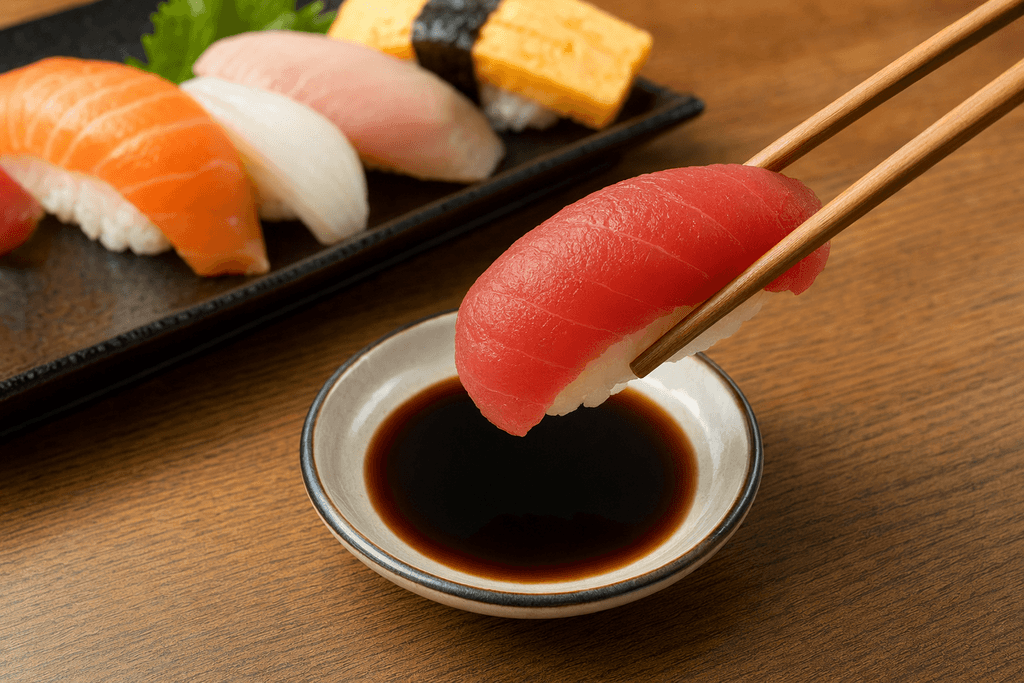
醤油
醬油
醤油
醬油
Explanation
醤油
醬油
醤油
以大豆、麥等發酵製成的鹹味液態調味料 / 黑褐色的醬汁,常用於日式料理
( Base form )
( romanization )
( romanization )
( kyūjitai )
( hiragana historical )
( hiragana )
毎日
每天
毎日
每天
Explanation
毎日
每天
毎日
每天 / 每日 / 天天

( Base form )
( romanization )
( romanization )
( hiragana )
もっと
更多
もっと
更多
Explanation
更多
もっと
更加 / 更多 / 再多一點

( romanization )
Loading...

JLPT N5 多言語単語帳・665語 / JLPT N5 Multilingual Vocabulary: 665 Words

Jonathan Waller 氏の JLPT Resources の語彙リスト・レベル分類を出典とし、CC BY の条件に従って DiQt が初級向けに意味を作り直した665語の単語帳です。JLPT公式の語彙リストではありません。
This collection of 665 words is based on the vocabulary list and level classifications in Jonathan Waller’s JLPT Resources under CC BY, with meanings rewritten by DiQt for beginners. It is not an official JLPT vocabulary list.
Key Operations
Select the first quiz:
Ctrl + Enter
View Explanation:Ctrl + G
Close a feedback:Esc
When selecting a quiz
Answer:Enter
Select a choice:↓ or ↑
Reading out the question:Ctrl + K
View Hint: Ctrl + M
I don't know: Ctrl + Y



