
JLPT N3 词义四选一 - Unsolved

通过四选一题目,用简体中文学习JLPT N3的1677个单词含义。
-
数数
-
达到
-
领受
- 一段活用の他動詞。
-
硬币
-
气温
-
诊察
-
信用 / 信任
-
计划
-
张贴 / 告示
-
下个
-
无
-
贵
-
相当 / 相等的
-
静止地 / 专注地
-
妥当地 / 整齐地
-
拉紧 / 张贴
-
相信 / 信任
-
生活
- 「止す(よす)」はサ行五段活用の動詞です。
-
宝石
-
错误
-
议长
-
失去
-
邀请 / 诱惑
-
离开 / 相隔
-
不同
-
射击
-
饲养
- 五段活用(バ行)。
-
运动场
-
离婚
-
没有
加える
添加
加える
添加
Explanation
加える
添加
加える
增加 / 包括;计入 / 施加(伤害等)

Word Forms
The basic and commonly used forms of this verb.
Basic forms
| Form | Word form | Usage |
|---|---|---|
| Imperfective form (mizenkei) | Connects to endings such as nai, reru, and seru. | |
| Continuative form (renyokei) | Connects to endings such as masu, tai, and ta. | |
| Conclusive form (shushikei) | Ends a sentence and serves as the dictionary form. | |
| Attributive form (rentaikei) | Modifies a noun. | |
| Conditional form (kateikei) | Combines with ba to express a condition. | |
| Imperative form (meireikei) |
Alternative:
加えよ
|
Expresses a command or instruction. |
Common forms
| Form | Word form | Usage |
|---|---|---|
| Te-form | Connects clauses with te. | |
| Ta-form | Expresses the past with ta. | |
| Nai-form | Expresses negation with nai. | |
| Masu-form | Used for polite speech. | |
| Ba-form | Expresses a condition with ba. | |
| Volitional form | Expresses intention or invitation. |
Notes
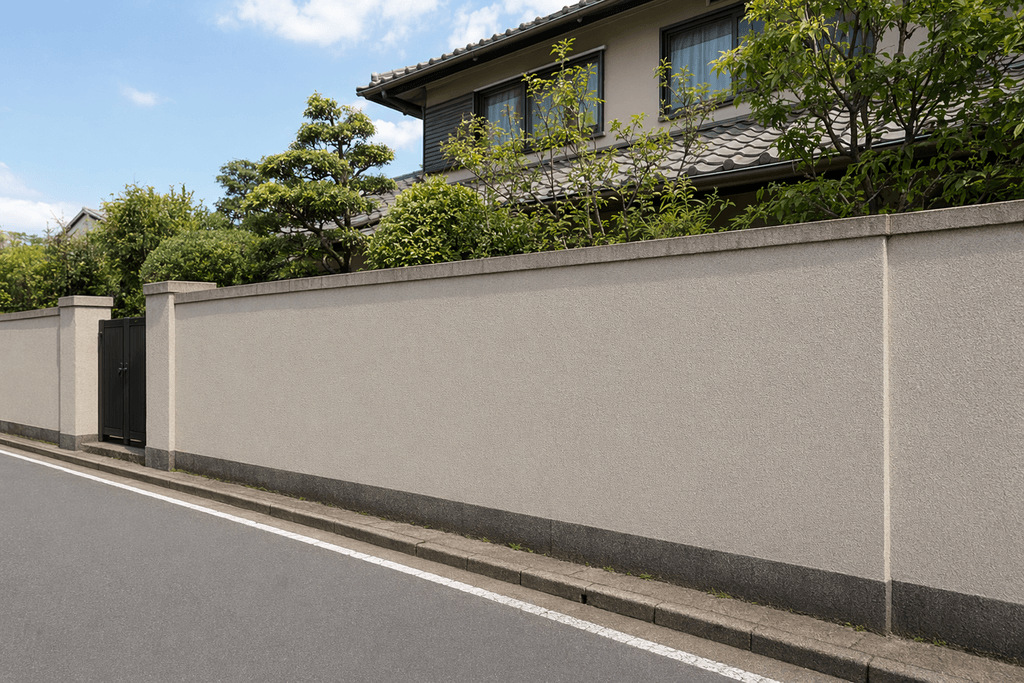
塀
围墙 / 栅栏
塀
围墙 / 栅栏
Explanation
塀
围墙 / 栅栏
塀
围墙 / 围栏
( romanization )
( hiragana )
両替
货币兑换
両替
货币兑换
Explanation
両替
货币兑换
両替
货币兑换;换钱 / 钱币交换(不同面额或币种的兑换) / 现钞互兑(纸币与硬币互换)

( Base form )
( romanization )
( kyūjitai )
( hiragana )
昨
上一
昨
上一
Explanation
昨
上一
昨
昨天的 / 上一(年、月、周等)的

全て
全部
全て
全部
Explanation
全て
全部
全て
完全地 / 全都 / 统统

( Base form )
( romanization )
止す
停止
止す
停止
Explanation
止す
停止
止す
停止 / 终止 / 作罢

Word Forms
The basic and commonly used forms of this verb.
Basic forms
| Form | Word form | Usage |
|---|---|---|
| Imperfective form (mizenkei) |
Alternative:
よさ
|
Connects to endings such as nai, reru, and seru. |
| Continuative form (renyokei) |
Alternative:
よし
|
Connects to endings such as masu, tai, and ta. |
| Conclusive form (shushikei) |
Alternative:
よす
|
Ends a sentence and serves as the dictionary form. |
| Attributive form (rentaikei) |
Alternative:
よす
|
Modifies a noun. |
| Conditional form (kateikei) |
Alternative:
よせ
|
Combines with ba to express a condition. |
| Imperative form (meireikei) |
Alternative:
よせ
|
Expresses a command or instruction. |
Common forms
| Form | Word form | Usage |
|---|---|---|
| Te-form |
Alternative:
よして
|
Connects clauses with te. |
| Ta-form |
Alternative:
よした
|
Expresses the past with ta. |
| Nai-form |
Alternative:
よさない
|
Expresses negation with nai. |
| Masu-form |
Alternative:
よします
|
Used for polite speech. |
| Ba-form |
Alternative:
よせば
|
Expresses a condition with ba. |
| Volitional form |
Alternative:
よそう
|
Expresses intention or invitation. |
Notes
評価
评价
評価
评价
Explanation
評価
评价
評価
评价;评估 / 评定;考核 / 认可;赞赏

( Base form )
( romanization )
( romanization )
( kyūjitai )
( hiragana historical )
( hiragana )
暮らす
生活
暮らす
生活
Explanation
暮らす
生活
暮らす
生活,过日子 / 度过(一天或较长时间) / 糊口,维持生活

Word Forms
The basic and commonly used forms of this verb.
Basic forms
| Form | Word form | Usage |
|---|---|---|
| Imperfective form (mizenkei) |
Alternative:
暮らそ
|
Connects to endings such as nai, reru, and seru. |
| Continuative form (renyokei) | Connects to endings such as masu, tai, and ta. | |
| Conclusive form (shushikei) | Ends a sentence and serves as the dictionary form. | |
| Attributive form (rentaikei) | Modifies a noun. | |
| Conditional form (kateikei) | Combines with ba to express a condition. | |
| Imperative form (meireikei) | Expresses a command or instruction. |
Common forms
転ぶ
跌倒
転ぶ
跌倒
Explanation
転ぶ
跌倒
転ぶ
摔倒 / 在道德或精神上堕落 / 死亡(八丈方言)

Word Forms
The basic and commonly used forms of this verb.
Basic forms
| Form | Word form | Usage |
|---|---|---|
| Imperfective form (mizenkei) |
Alternative:
転ぼ
|
Connects to endings such as nai, reru, and seru. |
| Continuative form (renyokei) | Connects to endings such as masu, tai, and ta. | |
| Conclusive form (shushikei) | Ends a sentence and serves as the dictionary form. | |
| Attributive form (rentaikei) | Modifies a noun. | |
| Conditional form (kateikei) | Combines with ba to express a condition. | |
| Imperative form (meireikei) | Expresses a command or instruction. |
Common forms
| Form | Word form | Usage |
|---|---|---|
| Te-form | Connects clauses with te. | |
| Ta-form | Expresses the past with ta. | |
| Nai-form | Expresses negation with nai. | |
| Masu-form | Used for polite speech. | |
| Ba-form | Expresses a condition with ba. | |
| Volitional form | Expresses intention or invitation. |
Notes
ジェット機
喷气式飞机
ジェット機
喷气式飞机
Explanation
ジェット機
喷气式飞机
ジェット機
喷气式飞机 / 喷气机 / 喷气飞机

( romanization )
( hiragana )
Loading...

JLPT N3 多言語単語帳・1677語 / JLPT N3 Multilingual Vocabulary: 1677 Words

Jonathan Waller 氏の JLPT Resources の語彙リスト・レベル分類を出典とし、CC BY の条件に従って DiQt が学習者向けに意味を作り直した1677語の単語帳です。JLPT公式の語彙リストではありません。
This collection of 1677 words is based on the vocabulary list and level classifications in Jonathan Waller’s JLPT Resources under CC BY, with meanings rewritten by DiQt for learners. It is not an official JLPT vocabulary list.
Key Operations
Select the first quiz:
Ctrl + Enter
View Explanation:Ctrl + G
Close a feedback:Esc
When selecting a quiz
Answer:Enter
Select a choice:↓ or ↑
Reading out the question:Ctrl + K
View Hint: Ctrl + M
I don't know: Ctrl + Y



