
JLPT N3 词义四选一 - Unsolved

通过四选一题目,用简体中文学习JLPT N3的1677个单词含义。
-
到处
-
相当 / 相等的
-
悠闲地
-
喜悦
-
进展顺利
-
牛奶
-
拯救
-
祈愿 / 请求
-
醒来
-
托付 / 寄存
-
溺水 / 沉溺
-
回应 / 遵从
- 他動詞。五段活用(サ行)。
-
臀部
-
学期
-
邮件
-
气氛
-
怜悯
-
增加
-
标准 / 水平
-
哲学
-
一瞬间
-
藏起来
-
许可 / 原谅
-
留下
- 「適する」はサ変活用を基本としつつ、「適さない」「適せば」「適せ」など五段動詞「適す」に対応する形も広く用いられる。
-
陈述
-
祈愿 / 请求
-
推倒 / 打败
- 「かく」「えがく」の読みがある。
- 五段活用カ行。撥音便・促音便ではなく、テ形・タ形は「描いて」「描いた」。
-
一周
-
妇女
-
舌头
ふと
突然 / 无意中
ふと
突然 / 无意中
Explanation
突然 / 无意中
ふと
忽然 / 突然 / 不经意地

( romanization )
釣り
钓鱼 / 找零
釣り
钓鱼 / 找零
Explanation
釣り
钓鱼 / 找零
釣り
垂钓 / 找零(找回的钱) / 网络钓鱼(引诱他人上钩的挑衅行为)

( Base form )
( romanization )
勧める
劝 / 推荐
勧める
劝 / 推荐
Explanation
勧める
劝 / 推荐
勧める
建议、劝告、推荐 / 奉上饮食或请人使用某物 / 促进、推行(产业等)

Word Forms
The basic and commonly used forms of this verb.
Basic forms
| Form | Word form | Usage |
|---|---|---|
| Imperfective form (mizenkei) | Connects to endings such as nai, reru, and seru. | |
| Continuative form (renyokei) | Connects to endings such as masu, tai, and ta. | |
| Conclusive form (shushikei) | Ends a sentence and serves as the dictionary form. | |
| Attributive form (rentaikei) | Modifies a noun. | |
| Conditional form (kateikei) | Combines with ba to express a condition. | |
| Imperative form (meireikei) |
Alternative:
勧めよ
|
Expresses a command or instruction. |
Common forms
覚ます
唤醒
覚ます
唤醒
Explanation
覚ます
唤醒
覚ます
叫醒;唤醒 / 使清醒;使醒酒 / 使意识到;使觉醒

Word Forms
The basic and commonly used forms of this verb.
Basic forms
| Form | Word form | Usage |
|---|---|---|
| Imperfective form (mizenkei) |
Alternative:
覚まそ
|
Connects to endings such as nai, reru, and seru. |
| Continuative form (renyokei) | Connects to endings such as masu, tai, and ta. | |
| Conclusive form (shushikei) | Ends a sentence and serves as the dictionary form. | |
| Attributive form (rentaikei) | Modifies a noun. | |
| Conditional form (kateikei) | Combines with ba to express a condition. | |
| Imperative form (meireikei) | Expresses a command or instruction. |
Common forms
| Form | Word form | Usage |
|---|---|---|
| Te-form | Connects clauses with te. | |
| Ta-form | Expresses the past with ta. | |
| Nai-form | Expresses negation with nai. | |
| Masu-form | Used for polite speech. | |
| Ba-form | Expresses a condition with ba. | |
| Volitional form | Expresses intention or invitation. |
Notes
中学
初中
中学
初中
Explanation
中学
初中
中学
初中(七至九年级) / 初级中学

( Base form )
( romanization )
( kyūjitai )
( hiragana )
先日
前几天
先日
前几天
Explanation
先日
前几天
先日
前几天 / 日前 / 不久前

( Base form )
( romanization )
( hiragana )
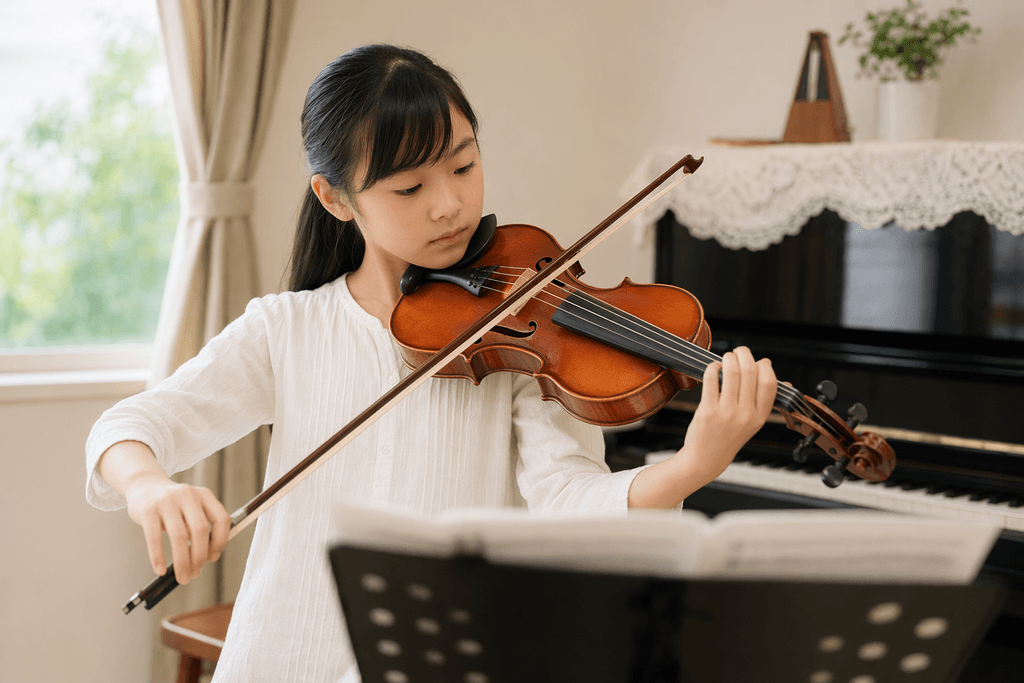
バイオリン
小提琴
バイオリン
小提琴
Explanation
小提琴
バイオリン
小提琴 / 弓弦乐器的一种
( romanization )
適する
适合
適する
适合
Explanation
適する
适合
適する
适合 / 相称 / 适用于

Word Forms
The basic and commonly used forms of this verb.
Basic forms
| Form | Word form | Usage |
|---|---|---|
| Imperfective form (mizenkei) |
Alternative:
適し
適せ
|
Connects to endings such as nai, reru, and seru. |
| Continuative form (renyokei) | Connects to endings such as masu, tai, and ta. | |
| Conclusive form (shushikei) |
Alternative:
適す
|
Ends a sentence and serves as the dictionary form. |
| Attributive form (rentaikei) |
Alternative:
適す
|
Modifies a noun. |
| Conditional form (kateikei) |
Alternative:
適せ
|
Combines with ba to express a condition. |
| Imperative form (meireikei) |
Alternative:
適せよ
適せ
|
Expresses a command or instruction. |
Common forms
| Form | Word form | Usage |
|---|---|---|
| Te-form | Connects clauses with te. | |
| Ta-form | Expresses the past with ta. | |
| Nai-form |
Alternative:
適しない
|
Expresses negation with nai. |
| Masu-form | Used for polite speech. | |
| Ba-form |
Alternative:
適せば
|
Expresses a condition with ba. |
| Volitional form |
Alternative:
適そう
|
Expresses intention or invitation. |
Notes
描く
画 / 描绘
描く
画 / 描绘
Explanation
描く
画 / 描绘
描く
绘画;画图 / 描绘;刻画 / 勾勒;描画出

Word Forms
The basic and commonly used forms of this verb.
Basic forms
| Form | Word form | Usage |
|---|---|---|
| Imperfective form (mizenkei) |
Alternative:
描こ
|
Connects to endings such as nai, reru, and seru. |
| Continuative form (renyokei) | Connects to endings such as masu, tai, and ta. | |
| Conclusive form (shushikei) | Ends a sentence and serves as the dictionary form. | |
| Attributive form (rentaikei) | Modifies a noun. | |
| Conditional form (kateikei) | Combines with ba to express a condition. | |
| Imperative form (meireikei) | Expresses a command or instruction. |
Common forms
| Form | Word form | Usage |
|---|---|---|
| Te-form | Connects clauses with te. | |
| Ta-form | Expresses the past with ta. | |
| Nai-form | Expresses negation with nai. | |
| Masu-form | Used for polite speech. | |
| Ba-form | Expresses a condition with ba. | |
| Volitional form | Expresses intention or invitation. |
Notes
毛布
毛毯
毛布
毛毯
Explanation
毛布
毛毯
毛布
毯子 / 毛毯

( Base form )
( romanization )
( hiragana )
Loading...

JLPT N3 多言語単語帳・1677語 / JLPT N3 Multilingual Vocabulary: 1677 Words

Jonathan Waller 氏の JLPT Resources の語彙リスト・レベル分類を出典とし、CC BY の条件に従って DiQt が学習者向けに意味を作り直した1677語の単語帳です。JLPT公式の語彙リストではありません。
This collection of 1677 words is based on the vocabulary list and level classifications in Jonathan Waller’s JLPT Resources under CC BY, with meanings rewritten by DiQt for learners. It is not an official JLPT vocabulary list.
Key Operations
Select the first quiz:
Ctrl + Enter
View Explanation:Ctrl + G
Close a feedback:Esc
When selecting a quiz
Answer:Enter
Select a choice:↓ or ↑
Reading out the question:Ctrl + K
View Hint: Ctrl + M
I don't know: Ctrl + Y



