
JLPT N5: Kahulugan ng mga salita - Unsolved

Alamin ang kahulugan ng 665 salita sa JLPT N5 sa Filipino sa pamamagitan ng mga tanong na may apat na pagpipilian.
-
mahaba
-
kawili-wili / nakakatawa
-
makapal
-
ano
-
sige
-
hindi
-
pahina
-
katotohanan
-
kayumanggi
-
ayaw
-
matibay / malusog
-
sikat
- 「大好き」は形容動詞(ナ形容詞)として扱う。連体形は通常「大好きな」。
- 「大好きの」は「大好きの気持ち」など名詞的用法で見られるため異形として収録。
- 未然形「大好きでは/大好きじゃ」は否定接続用。推量の「大好きだろ」も未然相当として収録。
-
abala
-
malaki
-
manipis / matabang
- 「丸い」とも表記する。
- 命令形「まるかれ」は現代語では稀。
-
medyo / sapat
-
pinaka / numero uno
-
unti-unti
-
Miyerkules
-
liham
-
damit
-
bahay
-
babae
-
ngipin
-
hapunan
-
tiyo / lalaking nasa gitnang edad
-
kaarawan
-
kuya
-
tatlong araw / ika-3 ng buwan
-
aso
暗い
madilim
暗い
madilim
Explanation
暗い
madilim
暗い
madilim / mapanglaw / malungkot

Word Forms
The basic and commonly used forms of this adjective.
Basic forms
| Form | Word form | Usage |
|---|---|---|
| Imperfective form (mizenkei) | Used in forms such as karou; mainly literary. | |
| Continuative form (renyokei) |
Alternative:
暗かっ
|
Used in forms such as kute and kunai. |
| Conclusive form (shushikei) | Ends a sentence. | |
| Attributive form (rentaikei) | Modifies a noun. | |
| Conditional form (kateikei) | Expresses a condition with kereba. | |
| Imperative form (meireikei) | Rarely used in modern Japanese. |
Common forms
はい
oo
はい
oo
Explanation
oo
はい
oo; sige; naintindihan / narito (sa pagtawag ng pangalan) / ha? (pakiulit?)

( romanization )
学校
paaralan
学校
paaralan
Explanation
学校
paaralan
学校
paaralan / eskuwelahan / institusyong pang-edukasyon

( Base form )
( romanization )
( romanization )
( counter )
( kyūjitai )
( hiragana historical )
( hiragana )
大好き
gustong-gusto
大好き
gustong-gusto
Explanation
大好き
gustong-gusto
大好き
mahal na mahal / gustong-gusto / paboritong-paborito

Word Forms
The basic and commonly used forms of this adjectival noun.
Basic forms
| Form | Word form | Usage |
|---|---|---|
| Imperfective form (mizenkei) | Used in forms such as darou. | |
| Continuative form (renyokei) |
Alternative:
大好きに
|
Used with de or ni. |
| Conclusive form (shushikei) |
Alternative:
大好きです
|
Ends a sentence with da. |
| Attributive form (rentaikei) |
Alternative:
大好きの
|
Modifies a noun with na. |
| Conditional form (kateikei) |
Alternative:
大好きであれば
|
Expresses a condition with nara. |
| Imperative form (meireikei) | Used in formal expressions such as de are. |
Common forms
| Form | Word form | Usage |
|---|---|---|
| Te-form equivalent | Connects clauses using de. | |
| Ta-form |
Alternative:
大好きでした
|
Expresses the past with datta. |
| Nai-form |
Alternative:
大好きじゃない
大好きでない
|
Expresses negation with dewa nai or ja nai. |
| Desu-form | Used for polite speech. |
Notes
まるい
bilog
まるい
bilog
Explanation
bilog
まるい
bilog / pabilog / banayad ang ugali

Word Forms
The basic and commonly used forms of this adjective.
Basic forms
| Form | Word form | Usage |
|---|---|---|
| Imperfective form (mizenkei) |
Alternative:
丸かろ
|
Used in forms such as karou; mainly literary. |
| Continuative form (renyokei) |
Alternative:
丸く
まるかっ
丸かっ
|
Used in forms such as kute and kunai. |
| Conclusive form (shushikei) |
Alternative:
丸い
|
Ends a sentence. |
| Attributive form (rentaikei) |
Alternative:
丸い
|
Modifies a noun. |
| Conditional form (kateikei) |
Alternative:
丸けれ
|
Expresses a condition with kereba. |
| Imperative form (meireikei) |
Alternative:
丸かれ
|
Rarely used in modern Japanese. |
Common forms
| Form | Word form | Usage |
|---|---|---|
| Te-form |
Alternative:
丸くて
|
Connects clauses with kute. |
| Ta-form |
Alternative:
丸かった
|
Expresses the past with katta. |
| Nai-form |
Alternative:
丸くない
|
Expresses negation with kunai. |
| Ba-form |
Alternative:
丸ければ
|
Expresses a condition with kereba. |
Notes
ちょうど
eksakto
ちょうど
eksakto
Explanation
eksakto
ちょうど
sakto / eksakto / tamang-tama

( romanization )
( romanization )
( hiragana historical )
上着
dyaket
上着
dyaket
Explanation
上着
dyaket
上着
dyaket / amerikana / panlabas na kasuotan

( Base form )
( romanization )
( hiragana )
男
lalaki
男
lalaki
Explanation
男
lalaki
男
lalaki / anak na lalaki

( romanization )
( hiragana )
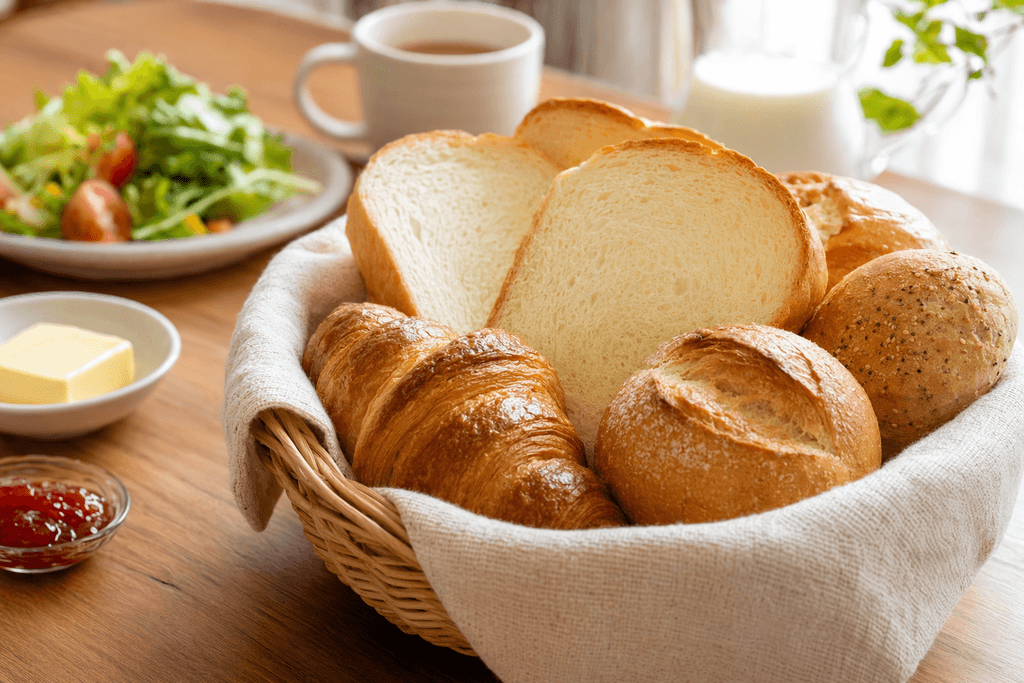
パン
tinapay
パン
tinapay
Explanation
tinapay
パン
tinapay / pagkaing gawa sa harina at tubig na inihuhurno
( romanization )
目
mata
目
mata
Explanation
目
mata
目
mata / paningin / tingin

( romanization )
( hiragana )
Loading...

JLPT N5 多言語単語帳・665語 / JLPT N5 Multilingual Vocabulary: 665 Words

Jonathan Waller 氏の JLPT Resources の語彙リスト・レベル分類を出典とし、CC BY の条件に従って DiQt が初級向けに意味を作り直した665語の単語帳です。JLPT公式の語彙リストではありません。
This collection of 665 words is based on the vocabulary list and level classifications in Jonathan Waller’s JLPT Resources under CC BY, with meanings rewritten by DiQt for beginners. It is not an official JLPT vocabulary list.
Key Operations
Select the first quiz:
Ctrl + Enter
View Explanation:Ctrl + G
Close a feedback:Esc
When selecting a quiz
Answer:Enter
Select a choice:↓ or ↑
Reading out the question:Ctrl + K
View Hint: Ctrl + M
I don't know: Ctrl + Y



