
JLPT N5: Kahulugan ng mga salita - Unsolved

Alamin ang kahulugan ng 665 salita sa JLPT N5 sa Filipino sa pamamagitan ng mga tanong na may apat na pagpipilian.
-
asukal
-
lola / matandang babae
-
sa tabi
-
alagang hayop
-
paglalakad-lakad
-
tainga
-
estudyanteng mula sa ibang bansa
-
lugar
-
lalaki
-
tumugtog ng piyano / tumugtog ng gitara
-
bumaba ng sasakyan / bumaba
-
humiram
-
sambahayan
-
pamimili
-
dalawang araw / ika-2 ng buwan
-
hindi masarap
-
malamig
-
maaga
-
matapos
-
maglaro
-
manirahan
- 「見る」のかな表記。
-
sa malapit
-
na
-
gabi-gabi
-
huli / mabagal
-
maliit
-
mainit
-
tao
-
pagkain
-
dyaket
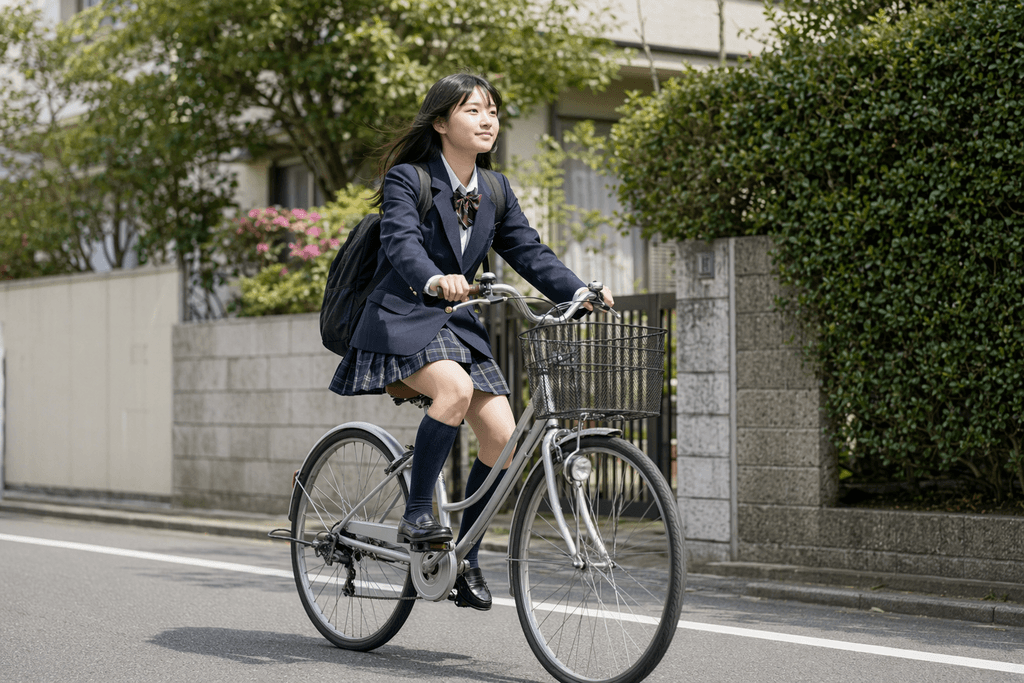
自転車
bisikleta
自転車
bisikleta
Explanation
自転車
bisikleta
自転車
bisikleta / sasakyang de-padyak na may dalawang gulong
( Base form )
( romanization )
( romanization )
( counter )
( kyūjitai )
( hiragana historical )
( hiragana )
本当
katotohanan
本当
katotohanan
Explanation
本当
katotohanan
本当
katotohanan / realidad / ang totoo

( Base form )
( romanization )
( romanization )
( kyūjitai )
( hiragana historical )
( hiragana )
( alternative )
( katakana )
( Rōmaji )
レストラン
restawran
レストラン
restawran
Explanation
restawran
レストラン
restawran / restoran / kainan kung saan inihahain ang pagkain sa mga kostumer

( romanization )
洗う
maghugas
洗う
maghugas
Explanation
洗う
maghugas
洗う
maghugas / maglaba / linisin sa tubig

Word Forms
The basic and commonly used forms of this verb.
Basic forms
| Form | Word form | Usage |
|---|---|---|
| Imperfective form (mizenkei) |
Alternative:
洗お
|
Connects to endings such as nai, reru, and seru. |
| Continuative form (renyokei) | Connects to endings such as masu, tai, and ta. | |
| Conclusive form (shushikei) | Ends a sentence and serves as the dictionary form. | |
| Attributive form (rentaikei) | Modifies a noun. | |
| Conditional form (kateikei) | Combines with ba to express a condition. | |
| Imperative form (meireikei) | Expresses a command or instruction. |
Common forms
ペット
alagang hayop
ペット
alagang hayop
Explanation
alagang hayop
ペット
alagang hayop / alaga

( romanization )
悪い
masama
悪い
masama
Explanation
悪い
masama
悪い
masama / mali / may sakit
Word Forms
The basic and commonly used forms of this adjective.
Basic forms
| Form | Word form | Usage |
|---|---|---|
| Imperfective form (mizenkei) | Used in forms such as karou; mainly literary. | |
| Continuative form (renyokei) |
Alternative:
悪かっ
|
Used in forms such as kute and kunai. |
| Conclusive form (shushikei) | Ends a sentence. | |
| Attributive form (rentaikei) | Modifies a noun. | |
| Conditional form (kateikei) | Expresses a condition with kereba. | |
| Imperative form (meireikei) | Rarely used in modern Japanese. |
Common forms
みる
makita / manood
みる
makita / manood
Explanation
makita / manood
みる
makakita; manood / mag-alaga / magsuri (medikal)

Word Forms
The basic and commonly used forms of this verb.
Basic forms
| Form | Word form | Usage |
|---|---|---|
| Imperfective form (mizenkei) |
Alternative:
みよ
|
Connects to endings such as nai, reru, and seru. |
| Continuative form (renyokei) | Connects to endings such as masu, tai, and ta. | |
| Conclusive form (shushikei) | Ends a sentence and serves as the dictionary form. | |
| Attributive form (rentaikei) | Modifies a noun. | |
| Conditional form (kateikei) | Combines with ba to express a condition. | |
| Imperative form (meireikei) |
Alternative:
みよ
|
Expresses a command or instruction. |
Common forms
| Form | Word form | Usage |
|---|---|---|
| Te-form | Connects clauses with te. | |
| Ta-form | Expresses the past with ta. | |
| Nai-form | Expresses negation with nai. | |
| Masu-form | Used for polite speech. | |
| Ba-form | Expresses a condition with ba. | |
| Volitional form | Expresses intention or invitation. |
Notes
すぐに
kaagad
すぐに
kaagad
Explanation
kaagad
すぐに
agad / kaagad / agad-agad

( romanization )
安い
mura
安い
mura
Explanation
安い
mura
安い
mura / hindi mahal / mababa ang presyo

Word Forms
The basic and commonly used forms of this adjective.
Basic forms
| Form | Word form | Usage |
|---|---|---|
| Imperfective form (mizenkei) | Used in forms such as karou; mainly literary. | |
| Continuative form (renyokei) |
Alternative:
安かっ
|
Used in forms such as kute and kunai. |
| Conclusive form (shushikei) | Ends a sentence. | |
| Attributive form (rentaikei) | Modifies a noun. | |
| Conditional form (kateikei) | Expresses a condition with kereba. | |
| Imperative form (meireikei) | Rarely used in modern Japanese. |
Common forms
靴下
medyas
靴下
medyas
Explanation
靴下
medyas
靴下
medyas / panloob na kasuotan sa paa

( Base form )
( romanization )
( hiragana )
Loading...

JLPT N5 多言語単語帳・665語 / JLPT N5 Multilingual Vocabulary: 665 Words

Jonathan Waller 氏の JLPT Resources の語彙リスト・レベル分類を出典とし、CC BY の条件に従って DiQt が初級向けに意味を作り直した665語の単語帳です。JLPT公式の語彙リストではありません。
This collection of 665 words is based on the vocabulary list and level classifications in Jonathan Waller’s JLPT Resources under CC BY, with meanings rewritten by DiQt for beginners. It is not an official JLPT vocabulary list.
Key Operations
Select the first quiz:
Ctrl + Enter
View Explanation:Ctrl + G
Close a feedback:Esc
When selecting a quiz
Answer:Enter
Select a choice:↓ or ↑
Reading out the question:Ctrl + K
View Hint: Ctrl + M
I don't know: Ctrl + Y



