
JLPT N3: Significados das palavras - Unsolved

Aprenda em português os significados de 1677 palavras do JLPT N3 com questões de quatro alternativas.
-
arma de fogo
-
uma palavra
-
apetite
-
companheiro
-
mercadorias
-
tecido
-
arrebatar
-
cobrir
-
apontar / referir-se a
-
cabelo
-
estrada
-
outros
-
muito / terrível
-
capaz
-
agradável
-
previsão
-
boato
-
prato
-
derrubar / derrotar
-
desejar / pedir
-
declarar
- 「かく」「えがく」の読みがある。
- 五段活用カ行。撥音便・促音便ではなく、テ形・タ形は「描いて」「描いた」。
-
erro
-
reunião
-
feira
-
chamado
-
certo
-
mero
-
e também
-
bem-vindo
-
de acordo com
判断
julgamento
判断
julgamento
Explanation
判断
julgamento
判断
ato ou resultado de julgar; avaliação / decisão ou determinação / discernimento; capacidade de distinguir

( Base form )
( romanization )
( hiragana )
大会
torneio / convenção
大会
torneio / convenção
Explanation
大会
torneio / convenção
大会
convenção; grande assembleia / comício; reunião de massa / torneio esportivo; competição

( Base form )
( romanization )
( kyūjitai )
( hiragana )
当たる
ser atingido / acertar
当たる
ser atingido / acertar
Explanation
当たる
ser atingido / acertar
当たる
acertar; atingir / ganhar (loteria); estar correto / ser atingido por sol/calor/vento; aplicar-se (em ~には当たらない: não se aplica/não merece)

Word Forms
The basic and commonly used forms of this verb.
Basic forms
| Form | Word form | Usage |
|---|---|---|
| Imperfective form (mizenkei) |
Alternative:
当たろ
|
Connects to endings such as nai, reru, and seru. |
| Continuative form (renyokei) |
Alternative:
当たっ
|
Connects to endings such as masu, tai, and ta. |
| Conclusive form (shushikei) | Ends a sentence and serves as the dictionary form. | |
| Attributive form (rentaikei) | Modifies a noun. | |
| Conditional form (kateikei) | Combines with ba to express a condition. | |
| Imperative form (meireikei) | Expresses a command or instruction. |
Common forms
歩道
calçada
歩道
calçada
Explanation
歩道
calçada
歩道
calçada / via para pedestres

( Base form )
( romanization )
( romanization )
( hiragana historical )
( hiragana )
器用
habilidoso
器用
habilidoso
Explanation
器用
habilidoso
器用
habilidoso / destro / jeitoso

Word Forms
The basic and commonly used forms of this adjectival noun.
Basic forms
| Form | Word form | Usage |
|---|---|---|
| Imperfective form (mizenkei) |
Alternative:
器用であろ
|
Used in forms such as darou. |
| Continuative form (renyokei) |
Alternative:
器用に
|
Used with de or ni. |
| Conclusive form (shushikei) | Ends a sentence with da. | |
| Attributive form (rentaikei) |
Alternative:
器用である
|
Modifies a noun with na. |
| Conditional form (kateikei) |
Alternative:
器用であれば
|
Expresses a condition with nara. |
| Imperative form (meireikei) | Used in formal expressions such as de are. |
Common forms
ジュース
suco
ジュース
suco
Explanation
suco
ジュース
suco / bebida de fruta / sumo

( romanization )
描く
desenhar / retratar
描く
desenhar / retratar
Explanation
描く
desenhar / retratar
描く
desenhar; pintar / retratar; representar / descrever; imaginar

Word Forms
The basic and commonly used forms of this verb.
Basic forms
| Form | Word form | Usage |
|---|---|---|
| Imperfective form (mizenkei) |
Alternative:
描こ
|
Connects to endings such as nai, reru, and seru. |
| Continuative form (renyokei) | Connects to endings such as masu, tai, and ta. | |
| Conclusive form (shushikei) | Ends a sentence and serves as the dictionary form. | |
| Attributive form (rentaikei) | Modifies a noun. | |
| Conditional form (kateikei) | Combines with ba to express a condition. | |
| Imperative form (meireikei) | Expresses a command or instruction. |
Common forms
| Form | Word form | Usage |
|---|---|---|
| Te-form | Connects clauses with te. | |
| Ta-form | Expresses the past with ta. | |
| Nai-form | Expresses negation with nai. | |
| Masu-form | Used for polite speech. | |
| Ba-form | Expresses a condition with ba. | |
| Volitional form | Expresses intention or invitation. |
Notes
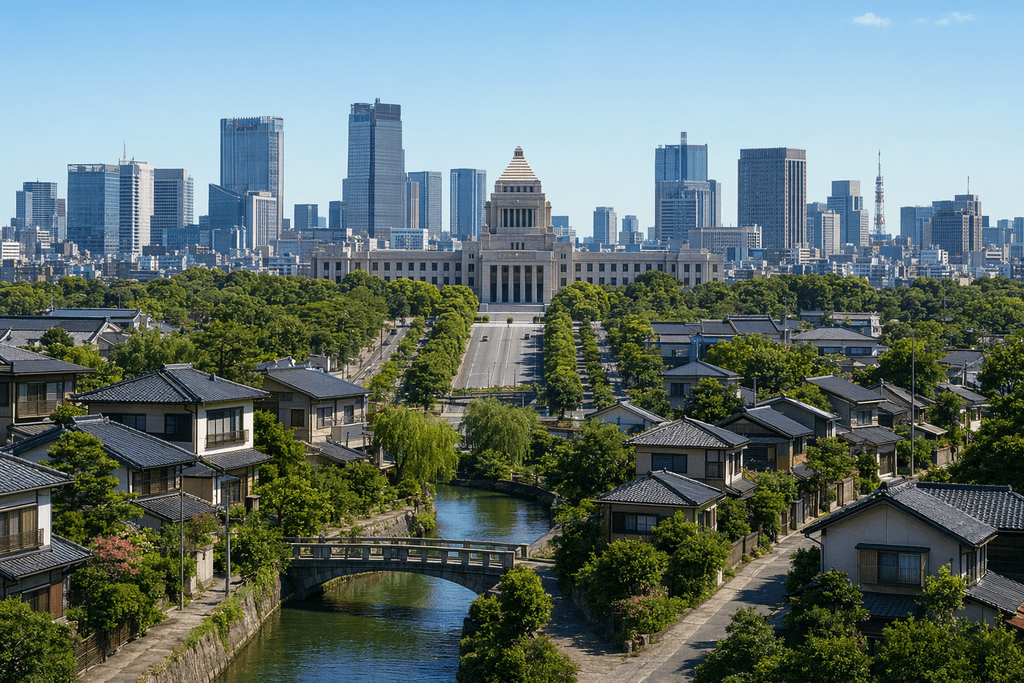
首都
capital do país
首都
capital do país
Explanation
首都
capital do país
首都
capital; cidade capital / sede do governo de um país
( Base form )
( romanization )
( hiragana )
どんな
que tipo de
どんな
que tipo de
Explanation
que tipo de
どんな
que tipo de / que espécie de / qual tipo de

( romanization )
いただきます
obrigado pela comida
いただきます
obrigado pela comida
Explanation
obrigado pela comida
いただきます
receber (honorífico) / comer (humilde) / beber (humilde)

Loading...

JLPT N3 多言語単語帳・1677語 / JLPT N3 Multilingual Vocabulary: 1677 Words

Jonathan Waller 氏の JLPT Resources の語彙リスト・レベル分類を出典とし、CC BY の条件に従って DiQt が学習者向けに意味を作り直した1677語の単語帳です。JLPT公式の語彙リストではありません。
This collection of 1677 words is based on the vocabulary list and level classifications in Jonathan Waller’s JLPT Resources under CC BY, with meanings rewritten by DiQt for learners. It is not an official JLPT vocabulary list.
Key Operations
Select the first quiz:
Ctrl + Enter
View Explanation:Ctrl + G
Close a feedback:Esc
When selecting a quiz
Answer:Enter
Select a choice:↓ or ↑
Reading out the question:Ctrl + K
View Hint: Ctrl + M
I don't know: Ctrl + Y



