
JLPT N3: Significados das palavras - Unsolved

Aprenda em português os significados de 1677 palavras do JLPT N3 com questões de quatro alternativas.
-
trabalho conjunto
-
casal
-
caso / estojo
-
estilo / silhueta
-
presença humana
-
lama
-
calçada
-
passagem
-
ensino fundamental II
-
levantar-se
-
buscar / solicitar
-
espalhar-se
-
substância
-
século
-
pedra preciosa
-
receber
-
sofrer
-
assumir um cargo
-
reconhecer / admitir
-
sustentar
-
sofrer
-
conforto
-
nome / reputação
-
honesto
-
fazer voar / pular
-
cair bem em
-
abaixar
- 現代語では上一段活用。古風・文語的な対応形として「満つ」がある。
-
queijo
-
o último mencionado
-
horizonte
組織
organização / tecido
組織
organização / tecido
Explanation
組織
organização / tecido
組織
organização; estrutura / tecido (biologia) / textura; trama

( Base form )
( romanization )
( hiragana )
雰囲気
ambiente
雰囲気
ambiente
Explanation
雰囲気
ambiente
雰囲気
ambiente / atmosfera / clima

( Base form )
( romanization )
( romanization )
( kyūjitai )
( hiragana historical )
( hiragana )
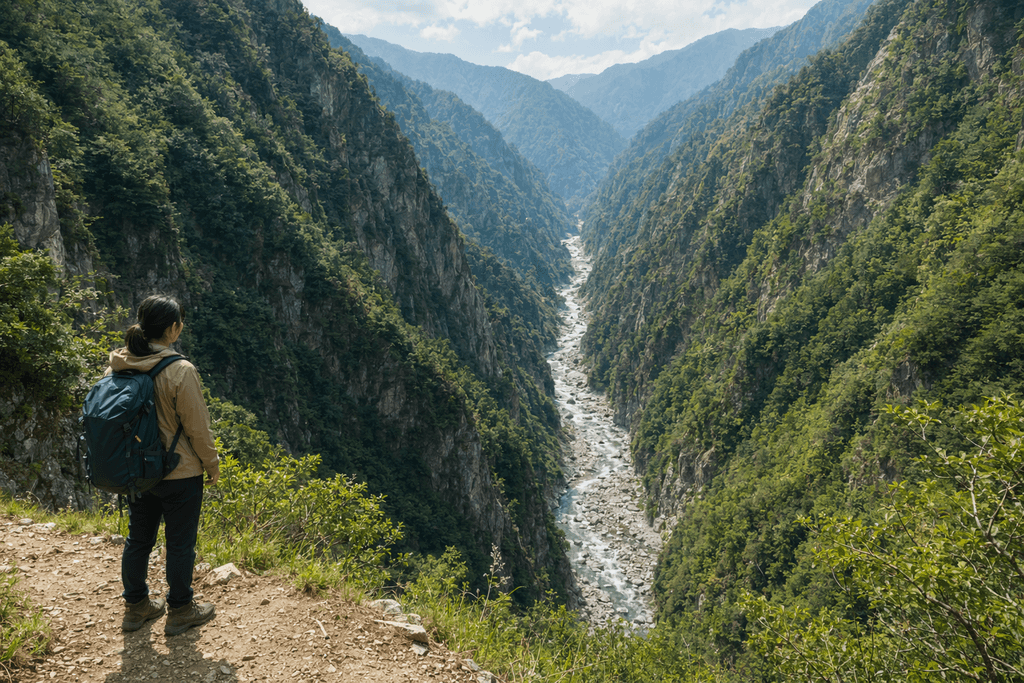
谷
vale
谷
vale
Explanation
谷
vale
谷
vale / ravina / garganta
( romanization )
( hiragana )
隠れる
esconder-se
隠れる
esconder-se
Explanation
隠れる
esconder-se
隠れる
esconder-se; ocultar-se / tornar-se invisível; ficar latente / falecer (eufemístico/honorífico)

Word Forms
The basic and commonly used forms of this verb.
Basic forms
| Form | Word form | Usage |
|---|---|---|
| Imperfective form (mizenkei) | Connects to endings such as nai, reru, and seru. | |
| Continuative form (renyokei) | Connects to endings such as masu, tai, and ta. | |
| Conclusive form (shushikei) | Ends a sentence and serves as the dictionary form. | |
| Attributive form (rentaikei) | Modifies a noun. | |
| Conditional form (kateikei) | Combines with ba to express a condition. | |
| Imperative form (meireikei) |
Alternative:
隠れよ
|
Expresses a command or instruction. |
Common forms
無料
gratuito
無料
gratuito
Explanation
無料
gratuito
無料
gratuito / de graça / sem custo

( Base form )
( romanization )
( hiragana )
論じる
debater
論じる
debater
Explanation
論じる
debater
論じる
argumentar / discutir / debater

Word Forms
The basic and commonly used forms of this verb.
Basic forms
| Form | Word form | Usage |
|---|---|---|
| Imperfective form (mizenkei) | Connects to endings such as nai, reru, and seru. | |
| Continuative form (renyokei) | Connects to endings such as masu, tai, and ta. | |
| Conclusive form (shushikei) | Ends a sentence and serves as the dictionary form. | |
| Attributive form (rentaikei) | Modifies a noun. | |
| Conditional form (kateikei) | Combines with ba to express a condition. | |
| Imperative form (meireikei) |
Alternative:
論じよ
|
Expresses a command or instruction. |
Common forms
従う
obedecer / seguir
従う
obedecer / seguir
Explanation
従う
obedecer / seguir
従う
seguir; ir na mesma direção / obedecer; acatar / resultar; decorrer

Word Forms
The basic and commonly used forms of this verb.
Basic forms
| Form | Word form | Usage |
|---|---|---|
| Imperfective form (mizenkei) |
Alternative:
従お
|
Connects to endings such as nai, reru, and seru. |
| Continuative form (renyokei) |
Alternative:
従っ
|
Connects to endings such as masu, tai, and ta. |
| Conclusive form (shushikei) | Ends a sentence and serves as the dictionary form. | |
| Attributive form (rentaikei) | Modifies a noun. | |
| Conditional form (kateikei) | Combines with ba to express a condition. | |
| Imperative form (meireikei) | Expresses a command or instruction. |
Common forms
今日
hoje em dia
今日
hoje em dia
Explanation
今日
hoje em dia
今日
hoje / os dias de hoje / atualmente
( Base form )
( romanization )
( hiragana )
満ちる
estar cheio
満ちる
estar cheio
Explanation
満ちる
estar cheio
満ちる
ficar cheio; encher-se / crescer; subir (maré, lua) / amadurecer; expirar

Word Forms
The basic and commonly used forms of this verb.
Basic forms
| Form | Word form | Usage |
|---|---|---|
| Imperfective form (mizenkei) | Connects to endings such as nai, reru, and seru. | |
| Continuative form (renyokei) | Connects to endings such as masu, tai, and ta. | |
| Conclusive form (shushikei) | Ends a sentence and serves as the dictionary form. | |
| Attributive form (rentaikei) | Modifies a noun. | |
| Conditional form (kateikei) | Combines with ba to express a condition. | |
| Imperative form (meireikei) |
Alternative:
満ちよ
|
Expresses a command or instruction. |
Common forms
| Form | Word form | Usage |
|---|---|---|
| Te-form | Connects clauses with te. | |
| Ta-form | Expresses the past with ta. | |
| Nai-form | Expresses negation with nai. | |
| Masu-form | Used for polite speech. | |
| Ba-form | Expresses a condition with ba. | |
| Volitional form | Expresses intention or invitation. |
Notes
冗談
piada
冗談
piada
Explanation
冗談
piada
冗談
piada / brincadeira / gracejo

( Base form )
( romanization )
( hiragana )
Loading...

JLPT N3 多言語単語帳・1677語 / JLPT N3 Multilingual Vocabulary: 1677 Words

Jonathan Waller 氏の JLPT Resources の語彙リスト・レベル分類を出典とし、CC BY の条件に従って DiQt が学習者向けに意味を作り直した1677語の単語帳です。JLPT公式の語彙リストではありません。
This collection of 1677 words is based on the vocabulary list and level classifications in Jonathan Waller’s JLPT Resources under CC BY, with meanings rewritten by DiQt for learners. It is not an official JLPT vocabulary list.
Key Operations
Select the first quiz:
Ctrl + Enter
View Explanation:Ctrl + G
Close a feedback:Esc
When selecting a quiz
Answer:Enter
Select a choice:↓ or ↑
Reading out the question:Ctrl + K
View Hint: Ctrl + M
I don't know: Ctrl + Y



