
JLPT N3: Significados das palavras - Unsolved

Aprenda em português os significados de 1677 palavras do JLPT N3 com questões de quatro alternativas.
-
profissão
-
nascimento / local de nascimento
-
aumento
-
livro didático
-
bola / conta
-
assunto
-
por isso
-
logo
-
de novo
-
proprietário / mestre
-
superfície
-
encomenda
-
capital do país
-
terra
-
temperatura corporal
-
proteger / obedecer
-
amar
-
acenar / sacudir
-
semelhante
-
bonito
-
excelente
- 「中古の車」のように名詞を修飾する場合は「の」もよく用いられます。
-
incêndio
-
pintor
-
agricultor
-
idêntico / inteiramente
-
abundante
-
principal
-
vermelho vivo
-
gigantesco
-
variado
- 表記は「我がまま」「わがまま」の両方が用いられる。
瓶
garrafa
瓶
garrafa
Explanation
瓶
garrafa
瓶
garrafa / jarro / frasco
( romanization )
( hiragana )
移動
deslocamento
移動
deslocamento
Explanation
移動
deslocamento
移動
transferência / migração / deslocamento

( Base form )
( romanization )
( hiragana )
思わず
involuntariamente
思わず
involuntariamente
Explanation
思わず
involuntariamente
思わず
sem querer / involuntariamente / instintivamente

( Base form )
( romanization )
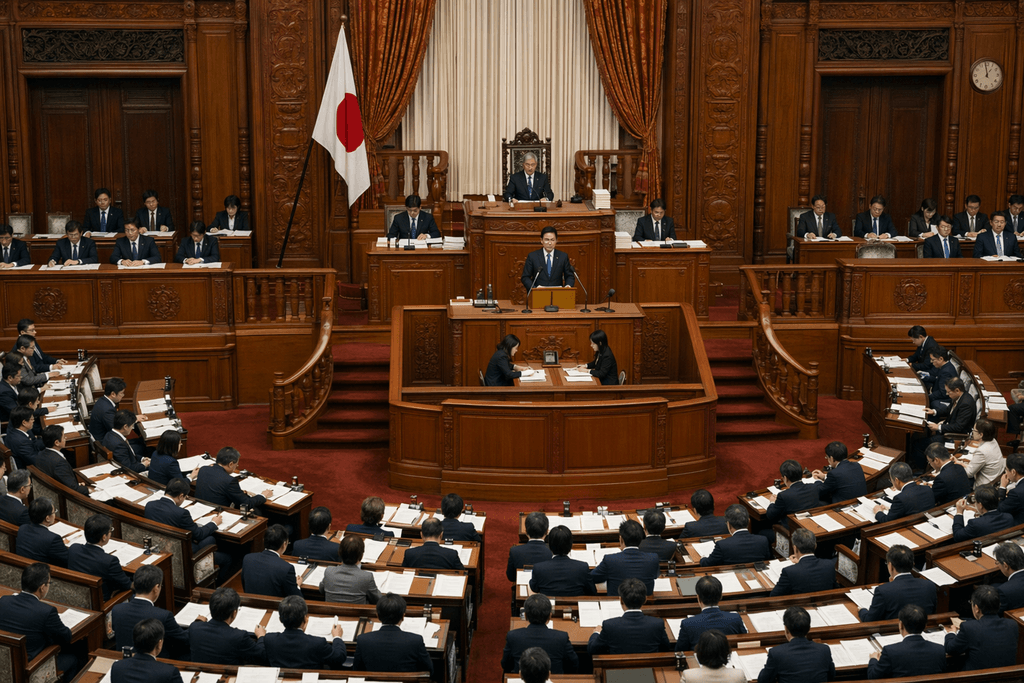
国会
parlamento nacional
国会
parlamento nacional
Explanation
国会
parlamento nacional
国会
parlamento nacional do Japão / Dieta Nacional do Japão / assembleia legislativa nacional
( Base form )
( romanization )
( romanization )
( kyūjitai )
( hiragana historical )
( hiragana )
審判
árbitro / julgamento
審判
árbitro / julgamento
Explanation
審判
árbitro / julgamento
審判
julgamento (direito) / árbitro (esportes) / O Julgamento (tarô)

( Base form )
( romanization )
( hiragana )
輝く
brilhar
輝く
brilhar
Explanation
輝く
brilhar
輝く
brilhar intensamente / cintilar / resplandecer de glória

Word Forms
The basic and commonly used forms of this verb.
Basic forms
| Form | Word form | Usage |
|---|---|---|
| Imperfective form (mizenkei) |
Alternative:
輝こ
|
Connects to endings such as nai, reru, and seru. |
| Continuative form (renyokei) | Connects to endings such as masu, tai, and ta. | |
| Conclusive form (shushikei) | Ends a sentence and serves as the dictionary form. | |
| Attributive form (rentaikei) | Modifies a noun. | |
| Conditional form (kateikei) | Combines with ba to express a condition. | |
| Imperative form (meireikei) | Expresses a command or instruction. |
Common forms
中古
usado
中古
usado
Explanation
中古
usado
中古
usado / de segunda mão / seminovo

Word Forms
The basic and commonly used forms of this adjectival noun.
Basic forms
| Form | Word form | Usage |
|---|---|---|
| Imperfective form (mizenkei) |
Alternative:
中古でしょ
|
Used in forms such as darou. |
| Continuative form (renyokei) |
Alternative:
中古に
中古だっ
|
Used with de or ni. |
| Conclusive form (shushikei) | Ends a sentence with da. | |
| Attributive form (rentaikei) |
Alternative:
中古の
|
Modifies a noun with na. |
| Conditional form (kateikei) |
Alternative:
中古であれば
|
Expresses a condition with nara. |
| Imperative form (meireikei) | Used in formal expressions such as de are. |
Common forms
| Form | Word form | Usage |
|---|---|---|
| Te-form equivalent | Connects clauses using de. | |
| Ta-form |
Alternative:
中古でした
|
Expresses the past with datta. |
| Nai-form |
Alternative:
中古じゃない
|
Expresses negation with dewa nai or ja nai. |
| Desu-form | Used for polite speech. |
Notes
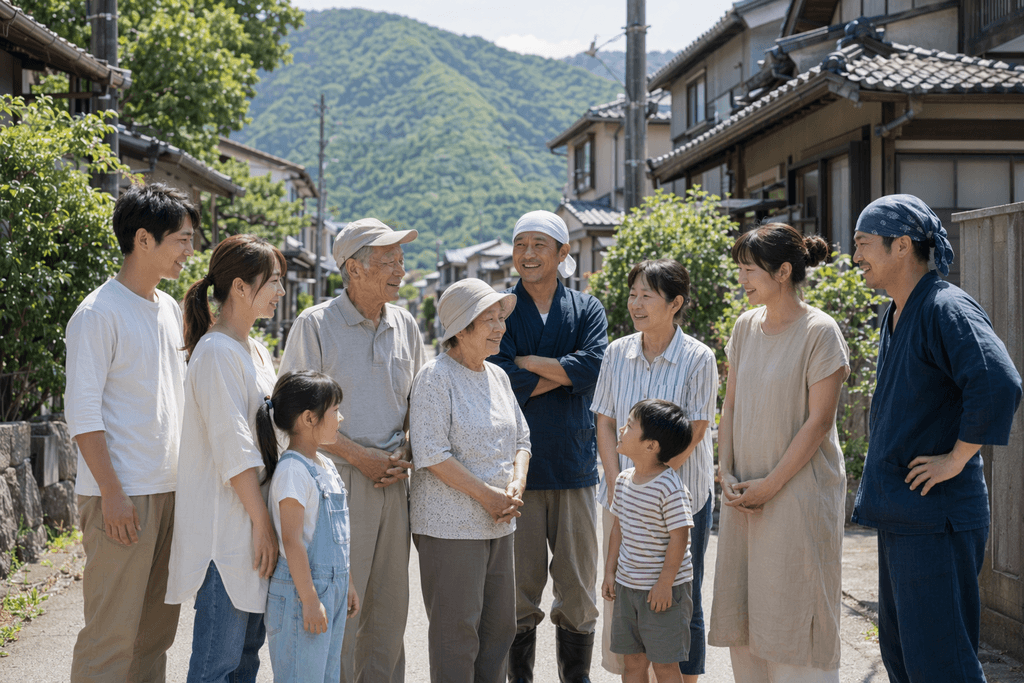
住民
moradores
住民
moradores
Explanation
住民
moradores
住民
habitantes / moradores / residentes (de uma localidade)
( Base form )
( romanization )
( hiragana )
重大
grave
重大
grave
Explanation
重大
grave
重大
importante; significativo / grave; sério / solene

Word Forms
The basic and commonly used forms of this adjectival noun.
Basic forms
| Form | Word form | Usage |
|---|---|---|
| Imperfective form (mizenkei) | Used in forms such as darou. | |
| Continuative form (renyokei) |
Alternative:
重大に
|
Used with de or ni. |
| Conclusive form (shushikei) | Ends a sentence with da. | |
| Attributive form (rentaikei) | Modifies a noun with na. | |
| Conditional form (kateikei) | Expresses a condition with nara. | |
| Imperative form (meireikei) | Used in formal expressions such as de are. |
Common forms
わがまま
egoísta
わがまま
egoísta
Explanation
egoísta
わがまま
egoísta / egocêntrico / voluntarioso

Word Forms
The basic and commonly used forms of this adjectival noun.
Basic forms
| Form | Word form | Usage |
|---|---|---|
| Imperfective form (mizenkei) |
Alternative:
我がままだろ
|
Used in forms such as darou. |
| Continuative form (renyokei) |
Alternative:
我がままで
わがままに
我がままに
わがままだっ
我がままだっ
|
Used with de or ni. |
| Conclusive form (shushikei) |
Alternative:
我がままだ
|
Ends a sentence with da. |
| Attributive form (rentaikei) |
Alternative:
我がままな
|
Modifies a noun with na. |
| Conditional form (kateikei) |
Alternative:
我がままなら
|
Expresses a condition with nara. |
| Imperative form (meireikei) |
Alternative:
我がままであれ
|
Used in formal expressions such as de are. |
Common forms
| Form | Word form | Usage |
|---|---|---|
| Te-form equivalent |
Alternative:
我がままで
|
Connects clauses using de. |
| Ta-form |
Alternative:
我がままだった
|
Expresses the past with datta. |
| Nai-form |
Alternative:
我がままではない
わがままじゃない
我がままじゃない
|
Expresses negation with dewa nai or ja nai. |
| Desu-form |
Alternative:
我がままです
|
Used for polite speech. |
Notes
Loading...

JLPT N3 多言語単語帳・1677語 / JLPT N3 Multilingual Vocabulary: 1677 Words

Jonathan Waller 氏の JLPT Resources の語彙リスト・レベル分類を出典とし、CC BY の条件に従って DiQt が学習者向けに意味を作り直した1677語の単語帳です。JLPT公式の語彙リストではありません。
This collection of 1677 words is based on the vocabulary list and level classifications in Jonathan Waller’s JLPT Resources under CC BY, with meanings rewritten by DiQt for learners. It is not an official JLPT vocabulary list.
Key Operations
Select the first quiz:
Ctrl + Enter
View Explanation:Ctrl + G
Close a feedback:Esc
When selecting a quiz
Answer:Enter
Select a choice:↓ or ↑
Reading out the question:Ctrl + K
View Hint: Ctrl + M
I don't know: Ctrl + Y



