
JLPT N3: Significados das palavras - Unsolved

Aprenda em português os significados de 1677 palavras do JLPT N3 com questões de quatro alternativas.
-
terra natal
-
boi / vaca
-
horizonte
-
organismo vivo
-
atividade
-
partido político
-
prolongar / esticar
-
atravessar / exceder
-
ver / assistir
-
dona de casa
-
aperfeiçoamento
-
fôlego
-
preço
-
o ano inteiro
-
desvantagem
-
caminhada em trilha
-
árbitro / julgamento
-
continente
-
escuro / concentrado
-
intenso
-
bom
- 基本形の命令形「硬かれ」は現代語では稀な形です。
-
temperatura do ar
-
moeda
-
exame médico
-
eternidade
-
boi / vaca
-
cereal
-
remover / excluir
-
trair
-
acenar / sacudir
しるし
marca / evidência
しるし
marca / evidência
Explanation
marca / evidência
しるし
marca / sinal / símbolo

( romanization )
財産
patrimônio
財産
patrimônio
Explanation
財産
patrimônio
財産
propriedade / patrimônio / fortuna

( Base form )
( romanization )
( hiragana )
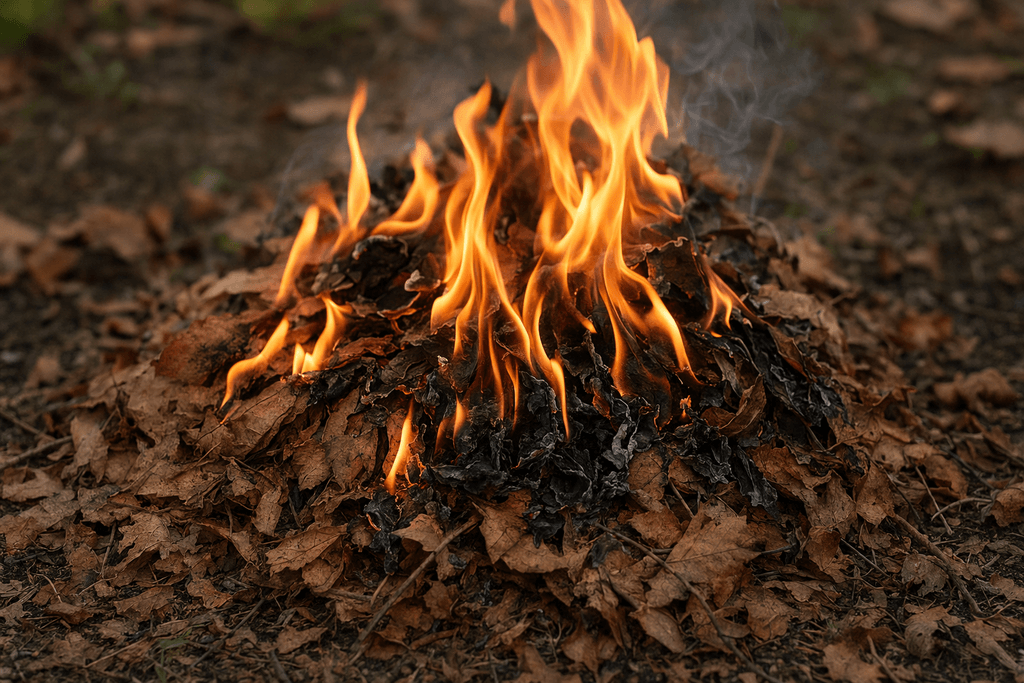
燃える
queimar
燃える
queimar
Explanation
燃える
queimar
燃える
arder / pegar fogo / empolgar-se
Word Forms
The basic and commonly used forms of this verb.
Basic forms
| Form | Word form | Usage |
|---|---|---|
| Imperfective form (mizenkei) | Connects to endings such as nai, reru, and seru. | |
| Continuative form (renyokei) | Connects to endings such as masu, tai, and ta. | |
| Conclusive form (shushikei) | Ends a sentence and serves as the dictionary form. | |
| Attributive form (rentaikei) | Modifies a noun. | |
| Conditional form (kateikei) | Combines with ba to express a condition. | |
| Imperative form (meireikei) |
Alternative:
燃えよ
|
Expresses a command or instruction. |
Common forms
勢い
impulso / vigor
勢い
impulso / vigor
Explanation
勢い
impulso / vigor
勢い
força / energia / vigor

( Base form )
( romanization )
( romanization )
( hiragana historical )
水準
padrão / nível
水準
padrão / nível
Explanation
水準
padrão / nível
水準
nível / padrão / nível da água

( Base form )
( romanization )
( hiragana )
明かり
luz
明かり
luz
Explanation
明かり
luz
明かり
luz; iluminação artificial / lugar claro; claridade / sinal de melhora; esperança

( Base form )
( romanization )
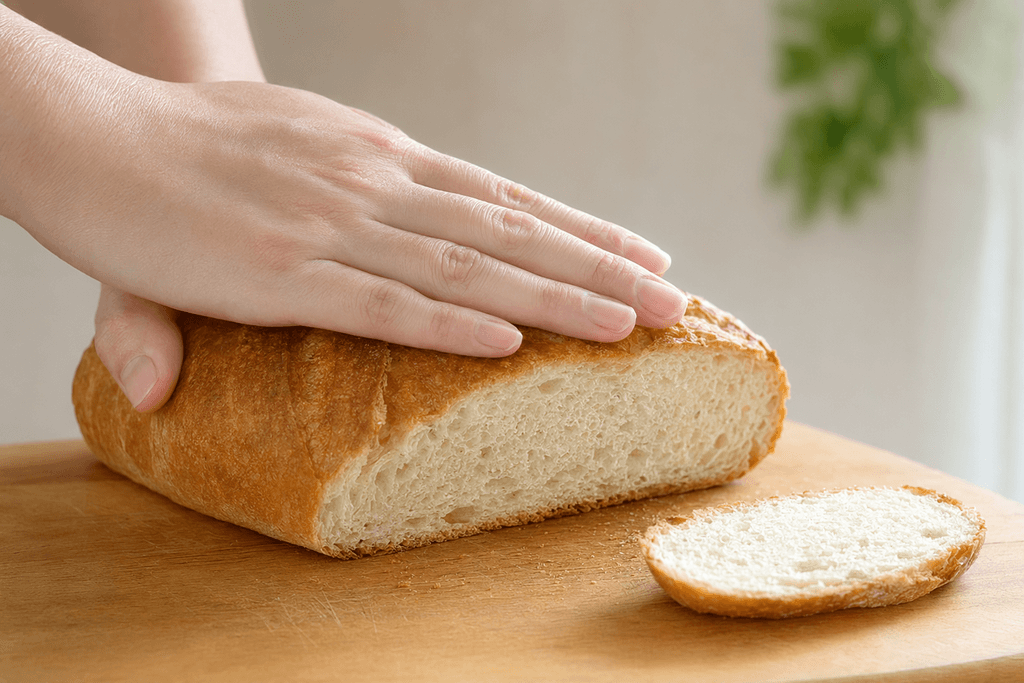
硬い
duro
硬い
duro
Explanation
硬い
duro
硬い
duro (consistência) / rígido (não flexível) / formal/engessado (linguagem ou comportamento)
Word Forms
The basic and commonly used forms of this adjective.
Basic forms
| Form | Word form | Usage |
|---|---|---|
| Imperfective form (mizenkei) | Used in forms such as karou; mainly literary. | |
| Continuative form (renyokei) |
Alternative:
硬かっ
|
Used in forms such as kute and kunai. |
| Conclusive form (shushikei) | Ends a sentence. | |
| Attributive form (rentaikei) | Modifies a noun. | |
| Conditional form (kateikei) | Expresses a condition with kereba. | |
| Imperative form (meireikei) | Rarely used in modern Japanese. |
Common forms
| Form | Word form | Usage |
|---|---|---|
| Te-form | Connects clauses with kute. | |
| Ta-form | Expresses the past with katta. | |
| Nai-form | Expresses negation with kunai. | |
| Ba-form | Expresses a condition with kereba. |
Notes
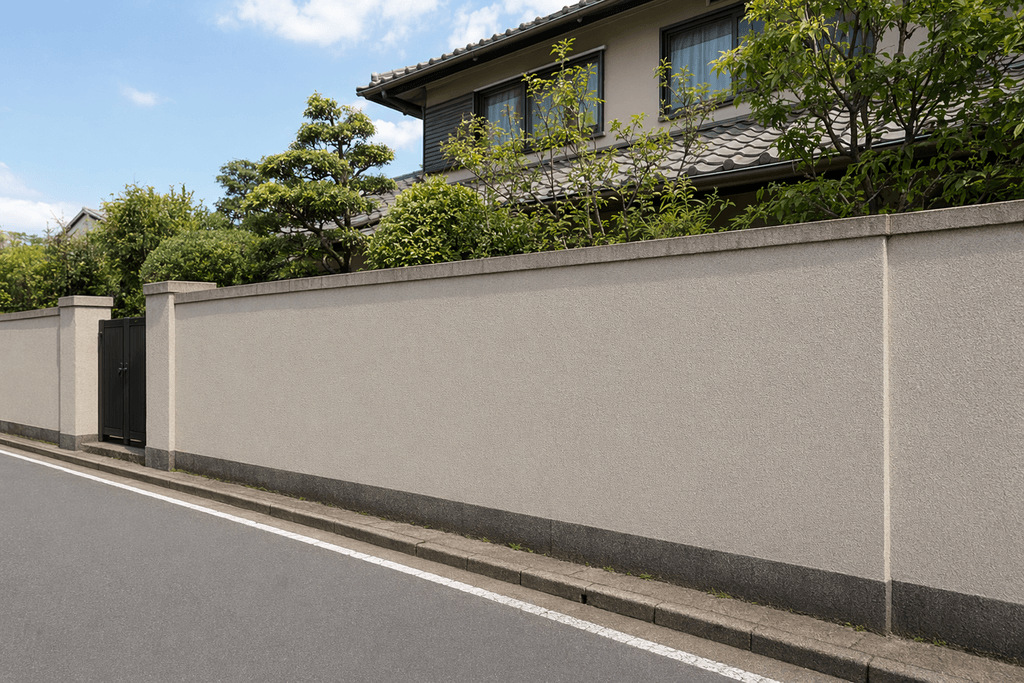
塀
muro / cerca
塀
muro / cerca
Explanation
塀
muro / cerca
塀
muro / cerca / parede externa
( romanization )
( hiragana )
土
solo
土
solo
Explanation
土
solo
土
terra / solo / chão

( romanization )
( hiragana )
終える
concluir
終える
concluir
Explanation
終える
concluir
終える
terminar algo / concluir algo / dar fim a algo

Word Forms
The basic and commonly used forms of this verb.
Basic forms
| Form | Word form | Usage |
|---|---|---|
| Imperfective form (mizenkei) | Connects to endings such as nai, reru, and seru. | |
| Continuative form (renyokei) | Connects to endings such as masu, tai, and ta. | |
| Conclusive form (shushikei) | Ends a sentence and serves as the dictionary form. | |
| Attributive form (rentaikei) | Modifies a noun. | |
| Conditional form (kateikei) | Combines with ba to express a condition. | |
| Imperative form (meireikei) |
Alternative:
終えよ
|
Expresses a command or instruction. |
Common forms
Loading...

JLPT N3 多言語単語帳・1677語 / JLPT N3 Multilingual Vocabulary: 1677 Words

Jonathan Waller 氏の JLPT Resources の語彙リスト・レベル分類を出典とし、CC BY の条件に従って DiQt が学習者向けに意味を作り直した1677語の単語帳です。JLPT公式の語彙リストではありません。
This collection of 1677 words is based on the vocabulary list and level classifications in Jonathan Waller’s JLPT Resources under CC BY, with meanings rewritten by DiQt for learners. It is not an official JLPT vocabulary list.
Key Operations
Select the first quiz:
Ctrl + Enter
View Explanation:Ctrl + G
Close a feedback:Esc
When selecting a quiz
Answer:Enter
Select a choice:↓ or ↑
Reading out the question:Ctrl + K
View Hint: Ctrl + M
I don't know: Ctrl + Y



